
Cats are curious creatures and their inquisitive nature can sometimes lead them into dangerous situations. Whether it’s a minor scrape or a more serious injury, knowing how to administer first aid to your feline friend can make a significant difference in their recovery. This article will provide you with essential cat first aid tips to help you handle emergencies swiftly and effectively.
Understanding the Basics of Cat First Aid
Before delving into specific emergency scenarios, it’s crucial to understand the basics of cat first aid. Being prepared with the right knowledge and tools can reduce stress during emergencies and provide your cat with the best chance of recovery.
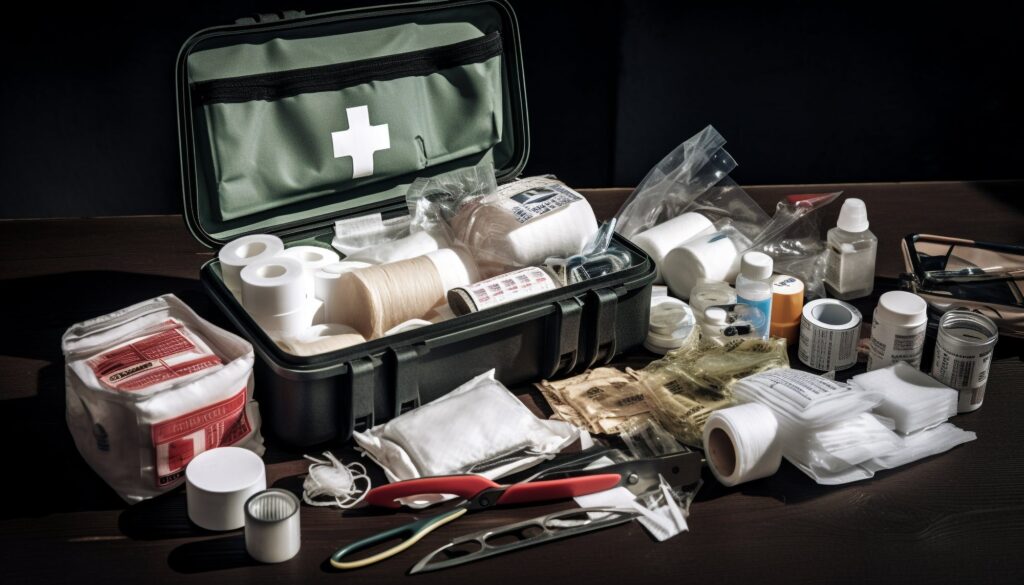
First Aid Kit Essentials
Having a well-stocked first aid kit is the first step in being prepared for any cat-related emergencies. Here are some items you should include:
- Gauze pads and bandages for wound care
- Adhesive tape to secure bandages
- Antiseptic wipes or solution to clean wounds
- Tweezers for removing splinters or debris
- Scissors to cut bandages or tape
- Digital thermometer to check your cat’s temperature
- Saline solution for eye irrigation
- Hydrogen peroxide to induce vomiting (only when instructed by a veterinarian)
- Gloves to protect yourself and prevent contamination
Know Your Cat’s Normal
Understanding what is normal for your cat is essential. Regularly check their vital signs and be aware of their usual behavior. This knowledge will help you quickly identify when something is wrong.
Normal vital signs for a cat include:
- Heart rate: 140-220 beats per minute
- Respiratory rate: 20-30 breaths per minute
- Temperature: 100.5°F to 102.5°F (38°C to 39.2°C)
Common Emergencies and First Aid Tips
Bleeding and Wounds
Bleeding is one of the most common emergencies you may face. If your cat is bleeding, follow these steps:
- Apply gentle pressure with a clean cloth or gauze pad directly on the wound to slow the bleeding.
- Elevate the injured area if possible.
- Once bleeding has stopped, clean the wound with an antiseptic solution.
- Cover the wound with a sterile bandage to prevent infection.
- Seek veterinary care if the bleeding doesn’t stop within 10 minutes or if the wound is deep.
Choking
Choking is a life-threatening situation that requires immediate attention:
- Gently open your cat’s mouth and look for any visible blockages.
- If you see an object, try to remove it with your fingers or tweezers, being careful not to push it further down.
- If you cannot remove the object, perform a modified Heimlich maneuver by applying quick, firm pressure to the cat’s abdomen behind the rib cage.
- Get to a veterinarian as quickly as possible, even if you believe the object has been removed.
Poisoning
If you suspect your cat has ingested a poisonous substance, act quickly:
- Identify the substance your cat has been exposed to and remove it from their environment.
- Do not induce vomiting unless specifically instructed by a veterinarian.
- Contact your veterinarian or an animal poison control center immediately for guidance.
- Follow any instructions given by the professionals regarding treatment at home before you can reach a vet.
Heatstroke
Cats can suffer from heatstroke if they are exposed to high temperatures for extended periods:
- Move your cat to a cooler environment immediately.
- Offer them small amounts of water to hydrate.
- Wet towels with cool (not cold) water and place them around your cat’s body.
- Monitor their temperature and aim to gradually bring it down to normal levels.
- Seek veterinary care as soon as possible, even if your cat starts to appear better.
Seizures
Witnessing your cat having a seizure can be distressing, but staying calm is crucial:
- Clear the area of any objects that could harm your cat during the seizure.
- Do not restrain your cat; instead, let the seizure run its course.
- Time the seizure’s duration and note any abnormal behaviors.
- After the seizure, comfort your cat and keep them in a quiet, safe space until they recover fully.
- Contact your veterinarian for further advice and potential treatment options.
Preventive Measures
While being prepared for emergencies is crucial, prevention is always the best approach. Here are some preventive measures to ensure your cat’s safety:
- Keep toxic substances, plants, and foods out of reach.
- Ensure your home is cat-proofed, with no sharp objects or small items that could be swallowed.
- Regularly check and maintain your cat’s health through vet visits and vaccinations.
- Encourage safe play with appropriate toys.
Conclusion
Being prepared with essential cat first aid knowledge and tools can make a significant difference during an emergency. By understanding common emergencies and how to handle them, you can provide your feline friend with the best care possible when they need it most. Remember, while first aid can stabilize your cat, it’s always important to seek professional veterinary care as soon as possible following any emergency situation.