
Cats are beloved companions in many households around the world. Ensuring their health and well-being is a crucial responsibility for every cat owner. One of the key aspects of maintaining feline health is adhering to a proper vaccination schedule. Vaccinations are vital for preventing various infectious diseases that can compromise a cat’s health or even be fatal. This article outlines the essential cat vaccination schedule for optimal health, providing insights into why these vaccinations are necessary and how they can safeguard your feline friend.
Understanding Cat Vaccinations
Vaccinations work by stimulating a cat’s immune system to produce antibodies against specific infectious agents. These antibodies provide immunity, reducing the risk of illness or severity if exposed to the disease. Vaccines are typically categorized into core and non-core vaccines. Core vaccines are recommended for all cats, as they protect against highly contagious and potentially life-threatening diseases. Non-core vaccines are optional and may be recommended based on a cat’s lifestyle, environment, and risk factors.
Core Vaccines for Cats
Feline Panleukopenia (FPV)
Feline Panleukopenia, also known as feline distemper, is a highly contagious and deadly viral disease. It is caused by the feline parvovirus, which affects the blood cells, leading to symptoms such as fever, vomiting, diarrhea, and severe dehydration. The FPV vaccine is crucial for all cats, as the virus can survive in the environment for extended periods, increasing the risk of exposure.
Feline Herpesvirus (FHV-1) and Feline Calicivirus (FCV)
Feline Herpesvirus and Feline Calicivirus are responsible for upper respiratory infections in cats. These viruses cause symptoms like sneezing, nasal discharge, conjunctivitis, and oral ulcers. The FHV-1 and FCV vaccines are often combined into a single vaccine known as the FVRCP vaccine. Vaccination helps reduce the severity and likelihood of these infections, which are especially common in multi-cat environments.
Rabies
Rabies is a fatal viral disease that affects the central nervous system of mammals, including cats. It is transmitted through bites from infected animals and poses a significant zoonotic risk to humans. The rabies vaccine is mandatory for cats in many regions due to public health concerns. Vaccination protects cats from this deadly disease and also helps safeguard human health.
Non-Core Vaccines for Cats
Feline Leukemia Virus (FeLV)
Feline Leukemia Virus is a retrovirus that affects a cat’s immune system, making them more susceptible to infections and diseases. It is transmitted through close contact with infected cats, such as grooming or sharing food and water bowls. The FeLV vaccine is recommended for cats at risk of exposure, such as those living in multi-cat households or having outdoor access.
Bordetella
Bordetella bronchiseptica is a bacterium that causes respiratory disease in cats, particularly in crowded environments like shelters or catteries. The Bordetella vaccine is not routinely recommended for all cats but may be advisable for those in high-risk settings. It helps reduce the severity of respiratory infections and is often administered as an intranasal vaccine.
Chlamydia
Chlamydia felis is a bacterium that causes conjunctivitis and respiratory issues in cats. The Chlamydia vaccine is usually combined with the FVRCP vaccine and is recommended for cats in environments where the infection is prevalent. Vaccination can help reduce the severity and spread of the disease.
Recommended Vaccination Schedule for Cats
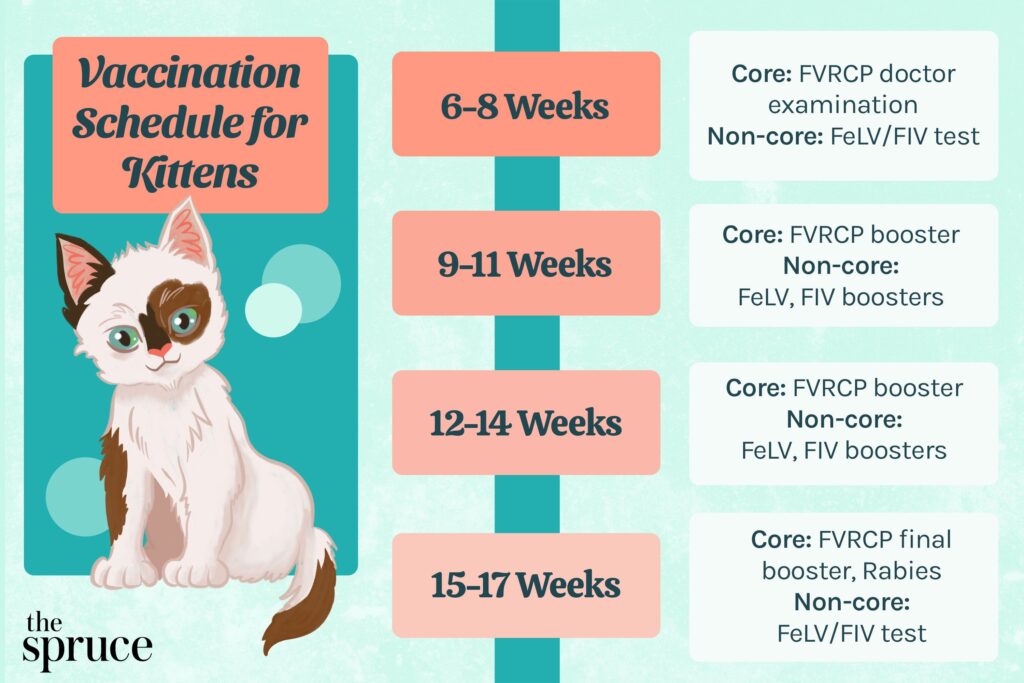
Kittens should begin their vaccination schedule at around 6 to 8 weeks of age. The initial series of vaccines is crucial for building their immunity. Here is a general guideline for a cat vaccination schedule:
6-8 Weeks
- First FVRCP vaccine (feline viral rhinotracheitis, calicivirus, and panleukopenia)
10-12 Weeks
- Second FVRCP vaccine
- First FeLV vaccine (if recommended based on risk factors)
14-16 Weeks
- Third FVRCP vaccine
- Second FeLV vaccine (if applicable)
- Rabies vaccine
Adult Cats
After the initial kitten series, cats require booster vaccinations to maintain immunity. The frequency of these boosters depends on the specific vaccine and the cat’s lifestyle. Generally, adult cats should receive the FVRCP and rabies boosters every one to three years. FeLV boosters are recommended annually for cats at risk.
Conclusion
Adhering to an essential cat vaccination schedule is crucial for maintaining your feline companion’s health and well-being. Core vaccines protect against severe and potentially fatal diseases, while non-core vaccines provide additional protection based on lifestyle and risk factors. By ensuring your cat is up-to-date on vaccinations, you are taking a proactive approach to prevent illnesses and promote a long, healthy life for your beloved pet. Always consult with your veterinarian to tailor a vaccination plan that best suits your cat’s needs and circumstances.
Remember, a well-vaccinated cat is a happy and healthy cat, and your diligence in following a proper vaccination schedule is a vital part of responsible pet ownership.