Cats are known for their independent nature and unique dietary needs. As obligate carnivores, their digestive systems are designed to process high-protein, low-carbohydrate diets. However, even with a proper diet, many cats experience digestive issues that can impact their overall health and well-being. Optimizing your cat’s digestive health naturally involves understanding their dietary needs, recognizing signs of digestive distress, and incorporating natural remedies and preventative measures. This article explores effective strategies to enhance your cat’s digestive health naturally.
Understanding Your Cat’s Digestive System
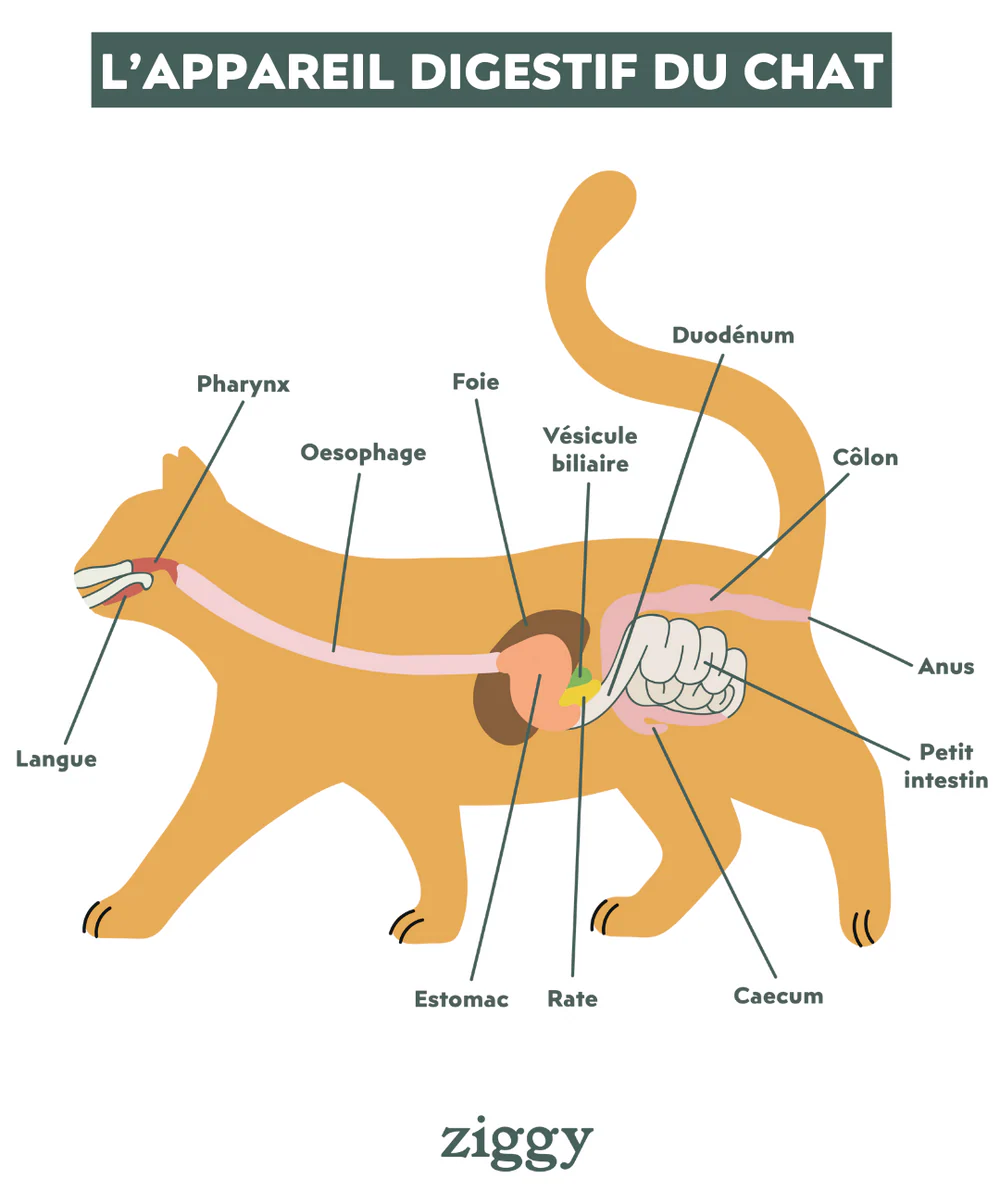
The feline digestive system is shorter than that of omnivores and herbivores, reflecting their evolutionary adaptation to a carnivorous diet. This means that cats require a diet rich in animal protein and fats with minimal carbohydrates. Their stomachs and intestines are designed to efficiently process meat, extracting the necessary nutrients to fuel their active lifestyles. Understanding these unique dietary requirements is crucial in maintaining your cat’s digestive health.
The Role of Diet in Digestive Health
A balanced diet is the cornerstone of a healthy digestive system for cats. Since cats cannot produce certain essential amino acids and fatty acids, it is imperative to provide them with a diet that meets these nutritional needs. High-quality, species-appropriate cat food that mimics their natural prey is ideal. This typically includes:
– **High-quality animal protein**: Chicken, turkey, beef, or fish as primary ingredients.
– **Healthy fats**: Essential fatty acids like omega-3 and omega-6 for maintaining healthy skin, coat, and overall health.
– **Limited carbohydrates**: Cats do not require carbohydrates in their diet, and excessive carbs can lead to digestive issues and obesity.
Recognizing Signs of Digestive Distress
Cats are adept at hiding discomfort, so it is important for pet owners to be vigilant about changes in their behavior or health that may indicate digestive issues. Common signs of digestive distress in cats include:
– **Vomiting**: Occasional vomiting is normal, but frequent episodes warrant attention.
– **Diarrhea or constipation**: Changes in stool consistency or frequency can indicate digestive problems.
– **Loss of appetite**: A sudden decrease in food intake can signal an underlying issue.
– **Lethargy**: Reduced energy levels and activity can be a sign of digestive discomfort.
Natural Strategies to Improve Digestive Health
There are several natural strategies that cat owners can employ to enhance their pet’s digestive health. These include dietary adjustments, natural supplements, and lifestyle changes.
Incorporate Probiotics
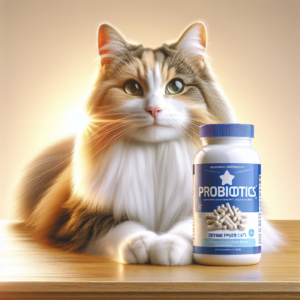
Probiotics are beneficial bacteria that help maintain a healthy balance of gut flora. They can aid digestion, enhance nutrient absorption, and boost the immune system. Look for probiotic supplements specifically formulated for cats, or consider adding a small amount of plain, unsweetened yogurt to their diet if they tolerate lactose well.
Add Digestive Enzymes
Digestive enzymes help break down food into smaller, absorbable components. As cats age, their natural enzyme production may decrease, leading to digestive issues. Supplementing with digestive enzymes can support efficient digestion and nutrient absorption.
Introduce Fiber
While cats do not require large amounts of fiber, a small amount can help regulate bowel movements and prevent constipation. Pumpkin or psyllium husk are excellent natural sources of fiber that can be easily added to your cat’s diet.
Hydration is Key
Adequate hydration is crucial for maintaining digestive health. Cats are naturally low thirst animals, often not drinking enough water. Encourage them to stay hydrated by providing fresh, clean water at all times. Wet food can also help increase their water intake, as it contains significantly more moisture than dry kibble.
Consider a Raw Diet
Some cat owners opt for a raw food diet, which mimics the natural diet of wild cats. This diet typically includes raw meat, organs, and bones, providing a natural source of nutrients without additives or preservatives. However, it is essential to ensure the diet is appropriately balanced and prepared safely to avoid health risks.
Herbal Remedies
Certain herbs can support digestive health and alleviate minor digestive issues. For example:
– **Chamomile**: Known for its calming properties, chamomile can soothe an upset stomach.
– **Ginger**: Helps reduce nausea and improve digestion.
– **Slippery elm**: Coats the digestive tract, reducing inflammation and soothing irritation.
Before introducing any herbal remedies, consult your veterinarian, as some herbs can be toxic to cats in high doses.
Preventative Measures for Long-Term Digestive Health
In addition to the above strategies, implementing preventative measures can promote long-term digestive health in cats.
Regular Veterinary Check-Ups
Routine veterinary check-ups are essential for early detection and management of potential health issues. Regular assessments of your cat’s digestive health can help prevent minor issues from developing into severe conditions.
Maintain a Stress-Free Environment
Stress can negatively impact your cat’s digestive health. Ensure they have a calm, safe environment with plenty of mental and physical stimulation. Providing hiding spots, interactive toys, and regular playtime can help reduce stress levels.
Avoid Sudden Dietary Changes
Cats are creatures of habit and sudden changes in their diet can lead to digestive upset. When introducing new foods, do so gradually over a week or two to allow their digestive system to adjust.
Conclusion
Optimizing your cat’s digestive health naturally involves a comprehensive approach that includes understanding their dietary needs, recognizing signs of digestive distress, and implementing natural remedies and preventive measures. By providing a balanced diet, incorporating beneficial supplements, and maintaining a stress-free environment, you can support your cat’s digestive health and overall well-being. Remember, each cat is unique, and it is important to consult with a veterinarian before making significant changes to their diet or health regimen. With the right care and attention, your feline friend can enjoy a healthy and happy life.