Cats are more than just pets; they’re companions, family members, and for many, a source of joy and comfort. As pet owners, ensuring their health and well-being is paramount. A significant component of this responsibility lies in providing them with optimal nutrition. With the vast array of cat food options available in the market today, selecting the right one can be daunting. This guide aims to help you make informed decisions about your feline’s nutrition, ensuring they lead a healthy, happy life.
Understanding Feline Nutritional Needs
Before diving into specific cat food products, it’s essential to grasp the basic nutritional needs of cats. Unlike dogs, cats are obligate carnivores. This means that they require a diet primarily composed of meat. Their bodies are adapted to derive nutrients primarily from animal sources, and they have a higher requirement for protein compared to other animals.
Protein: The Building Block
Cats need a diet rich in protein to support their muscles, skin, and fur. Proteins from animal sources, such as chicken, fish, and beef, are ideal. They provide essential amino acids like taurine, which is crucial for a cat’s heart and eye health.
Fats: Essential for Energy
Fats are a significant energy source in a cat’s diet and are necessary for the absorption of fat-soluble vitamins. Omega-3 and Omega-6 fatty acids are particularly important, contributing to a healthy coat and skin and reducing inflammation.
Vitamins and Minerals
Cats require a variety of vitamins and minerals, including vitamin A, vitamin D, calcium, and phosphorus, to maintain healthy bodily functions. These nutrients support everything from bone health to immune function.
Water: The Often Overlooked Nutrient
Cats naturally have a low thirst drive, and in the wild, they receive most of their hydration through their prey. Therefore, ensuring that they have access to fresh water and considering wet food options can significantly benefit their hydration status.
Types of Cat Food: Wet vs. Dry vs. Raw
When choosing cat food, one of the first decisions you’ll need to make is whether to feed your cat wet, dry, or raw food. Each type has its benefits and drawbacks.
Wet Food
Wet cat food, often packaged in cans or pouches, contains a higher moisture content, making it a good option for cats that need extra hydration. It tends to be more palatable and can be beneficial for cats with dental issues or those who are picky eaters. However, wet food is usually more expensive and can spoil quickly once opened.
Dry Food
Dry cat food, commonly known as kibble, is convenient, cost-effective, and has a longer shelf life. It can be beneficial for dental health, as the crunch helps reduce plaque buildup. However, it lacks the moisture content found in wet food, so it’s crucial to ensure your cat has plenty of water available.
Raw Food
Raw cat food diets aim to mimic a cat’s natural diet in the wild. These diets include raw meat, organs, and bones. While some owners swear by the benefits, including improved coat condition and energy levels, raw diets require careful handling to avoid bacterial contamination and a well-balanced recipe to prevent nutritional deficiencies.
Evaluating Cat Food Labels
Understanding cat food labels is crucial for selecting a high-quality product. Here are some tips to help you navigate the information:
Ingredient List
Ingredients are listed by weight, so the first few ingredients are the most significant. Look for named animal proteins (like “chicken” or “salmon”) as the first ingredient rather than by-products or fillers.
Nutritional Adequacy Statement
Check for a statement from the Association of American Feed Control Officials (AAFCO) confirming that the food is complete and balanced for your cat’s life stage.
Guaranteed Analysis
This section provides the percentages of protein, fat, fiber, and moisture in the food. Compare these with your cat’s dietary needs to ensure they are met.
Top Cat Food Brands to Consider
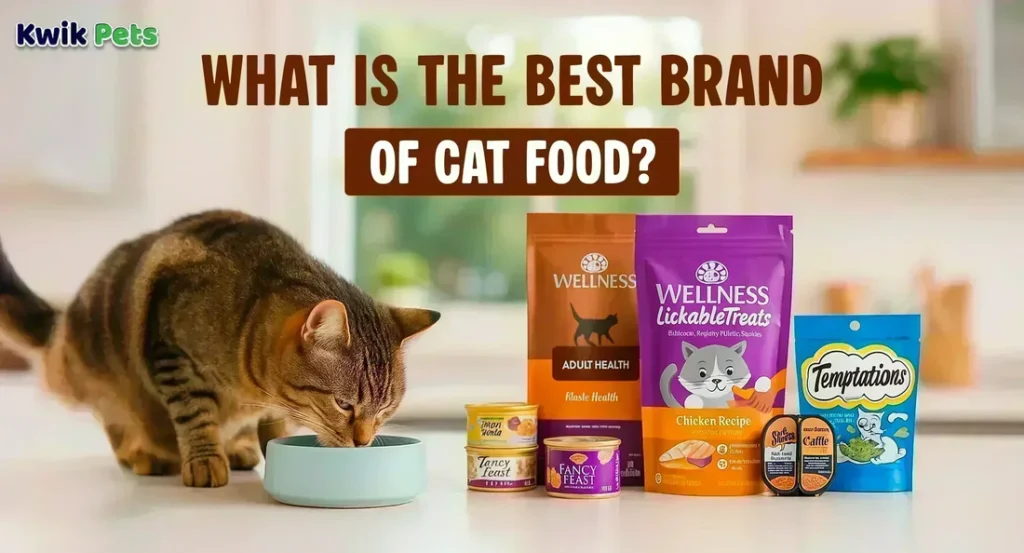
With an understanding of what to look for, here are some top cat food brands that consistently receive high marks for quality and nutrition:
Hill’s Science Diet
Known for its scientifically formulated recipes, Hill’s Science Diet offers a range of options tailored to specific health needs and life stages.
Royal Canin
Royal Canin provides a wide variety of formulas, including breed-specific options and foods designed for health issues like urinary tract health or weight management.
Blue Buffalo
Blue Buffalo is renowned for its natural ingredients and offers grain-free and limited ingredient diets for cats with sensitivities.
Purina Pro Plan
Purina Pro Plan combines high-quality ingredients with advanced nutrition to support cats’ overall health and vitality.
Wellness Core
Wellness Core focuses on high-protein, grain-free diets that cater to a cat’s natural dietary needs.
Special Dietary Considerations
Some cats have specific health conditions or dietary needs that require specialized nutrition:
Weight Management
For overweight cats, look for foods labeled for weight management, which are formulated with fewer calories and higher fiber to help your cat feel full.
Urinary Tract Health
Urinary tract issues are common in cats. Special diets can help maintain urinary health by managing mineral content and pH levels.
Allergies and Sensitivities
If your cat shows signs of food allergies or sensitivities, such as itching or gastrointestinal upset, consider limited ingredient diets or hypoallergenic formulas.
Transitioning Your Cat to a New Diet
When changing your cat’s food, it’s important to do so gradually to avoid digestive upset. Start by mixing a small amount of the new food with the old, gradually increasing the ratio over 7-10 days until your cat is eating only the new food.
Conclusion
Optimizing your cat’s nutrition is a vital aspect of pet care that can significantly impact their health and quality of life. By understanding their nutritional needs, evaluating food options carefully, and selecting high-quality products, you can ensure your feline friend receives the best possible diet. Remember, when in doubt, consult with your veterinarian to tailor the perfect nutrition plan for your cat’s unique needs.
#ChatGPT assisted in the creation of this article.