For many people, the idea of owning a cat is an appealing one. Their playful nature, companionship, and low-maintenance lifestyle make them an ideal pet for many. However, for those who suffer from allergies, the decision to adopt a feline friend can be complicated. Cat allergies are common and can lead to symptoms like sneezing, itching, and watery eyes. Fortunately, there are several breeds known to be more hypoallergenic than others. This means they produce fewer allergens, making them more suitable for allergy sufferers. In this article, we will explore some of the top hypoallergenic cat breeds and what makes them ideal for those with allergies.
Understanding Cat Allergies
Before delving into hypoallergenic breeds, it’s essential to understand what causes cat allergies. The primary allergen is a protein called Fel d 1, which is found in cat saliva, skin, and dander. When cats groom themselves, the saliva containing Fel d 1 dries and becomes airborne, leading to allergic reactions in sensitive individuals. While no cat breed is entirely hypoallergenic, some produce lower levels of this protein, thus reducing the chances of triggering allergies.
Siberian
The Siberian cat is an excellent choice for those looking for a hypoallergenic breed. Despite their long and luxurious fur, Siberians are known to produce less Fel d 1 compared to other breeds. Originating from Russia, these cats are not only beautiful but also boast a playful and affectionate personality. They are known for their intelligence and are often described as dog-like due to their loyalty and ability to learn tricks. Their gentle nature makes them a perfect choice for families with children or other pets.
Bengal
Bengal cats are not only strikingly beautiful with their leopard-like spots, but they are also a popular choice among allergy sufferers. Bengals have a short coat that requires minimal grooming, which helps reduce the spread of allergens. Moreover, they produce lower levels of Fel d 1 protein. Bengals are energetic, playful, and have a strong desire to interact with their human companions. Their active nature means they require plenty of stimulation, making them an ideal choice for those who enjoy engaging with their pets.
Balinese
Often referred to as the “long-haired Siamese,” the Balinese cat is another excellent option for those with allergies. Despite their silky, flowing coat, Balinese cats produce less Fel d 1 protein than many other breeds. Their coat also tends to produce less dander. Balinese cats are known for their intelligence, vocal nature, and deep loyalty to their human companions. They thrive on interaction and are often described as being quite talkative, making them a delightful addition to any household seeking an affectionate pet.
Oriental Shorthair
The Oriental Shorthair is closely related to the Siamese but offers a more diverse range of colors and patterns. These cats are known for their sleek, short coats, which require minimal grooming and help keep allergen levels low. Oriental Shorthairs are social, intelligent, and enjoy being the center of attention. They form strong bonds with their human families and are known for their playful antics. Their outgoing nature makes them an excellent choice for those seeking an interactive and affectionate pet.
Russian Blue
The Russian Blue is a breed that stands out for both its stunning appearance and hypoallergenic qualities. This breed is known for its dense, plush coat and striking green eyes. Russian Blues produce lower levels of Fel d 1 protein, making them more suitable for allergy sufferers. They are gentle, reserved, and often shy around strangers but form deep bonds with their families. Russian Blues are known for their quiet and calm demeanor, making them an ideal pet for a tranquil household.
Devon Rex
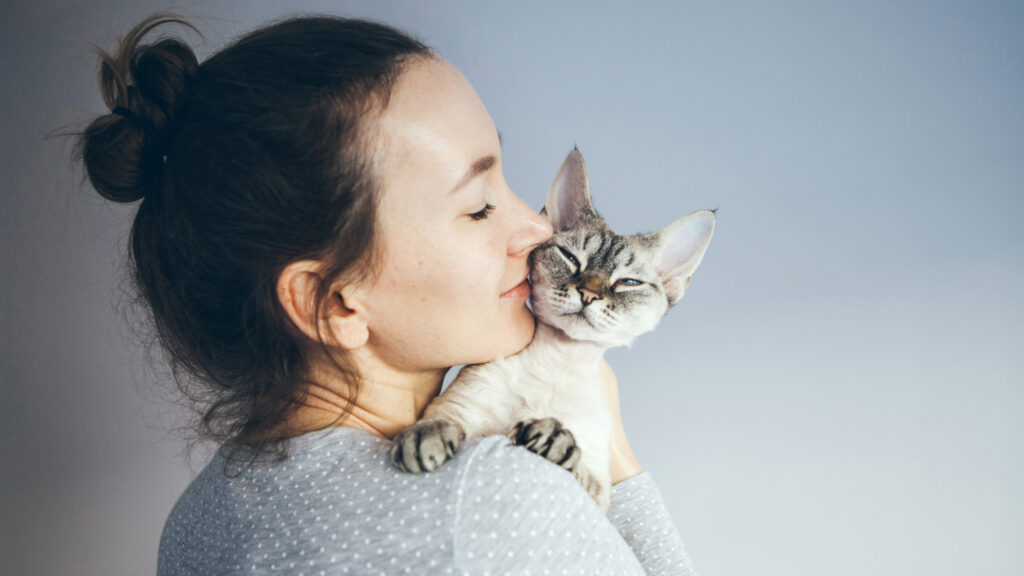
The Devon Rex is a unique-looking breed with large ears and a wavy, short coat. These cats are considered hypoallergenic because they produce less dander and have a coat that doesn’t shed much. The Devon Rex is playful, mischievous, and highly social, often described as a “pixie” due to their impish behavior. They thrive on attention and enjoy interactive play, making them a wonderful choice for households looking for an entertaining and engaging pet.
Javanese
The Javanese cat, closely related to the Balinese, is another breed known for its hypoallergenic qualities. With a medium-length, silky coat, Javanese cats produce less dander and Fel d 1 protein. They are affectionate, intelligent, and highly vocal, often seeking interaction with their human companions. Javanese cats are known for their playful nature and are often seen following their owners around the house. Their sociable demeanor makes them a perfect fit for families looking for an interactive and loving pet.
Considerations for Allergy Sufferers
While selecting a hypoallergenic breed can significantly reduce the likelihood of allergic reactions, there are additional steps allergy sufferers can take to further minimize exposure to allergens:
– **Regular Grooming:** Regular grooming helps reduce the amount of loose hair and dander in the environment. Brushing your cat frequently can help keep allergens at bay.
– **Clean Living Space:** Keeping your home clean is crucial. Vacuuming regularly, using air purifiers, and washing bedding can help reduce allergen levels.
– **Designate Cat-Free Zones:** Creating allergy-free zones within your home, such as the bedroom, can provide a safe haven from allergens.
– **Consult with a Doctor:** Before adopting a cat, it’s wise to consult with an allergist to assess the severity of your allergies and discuss potential solutions.
Conclusion
For those who suffer from allergies, the dream of owning a cat does not have to remain unfulfilled. By choosing a hypoallergenic breed and implementing strategies to minimize allergen exposure, allergy sufferers can enjoy the companionship and joy that a feline friend brings. Breeds like the Siberian, Bengal, Balinese, Oriental Shorthair, Russian Blue, Devon Rex, and Javanese offer a range of personalities and characteristics, ensuring that there is a perfect match for every household. With the right approach, living harmoniously with a cat, even for those with allergies, is entirely possible.