
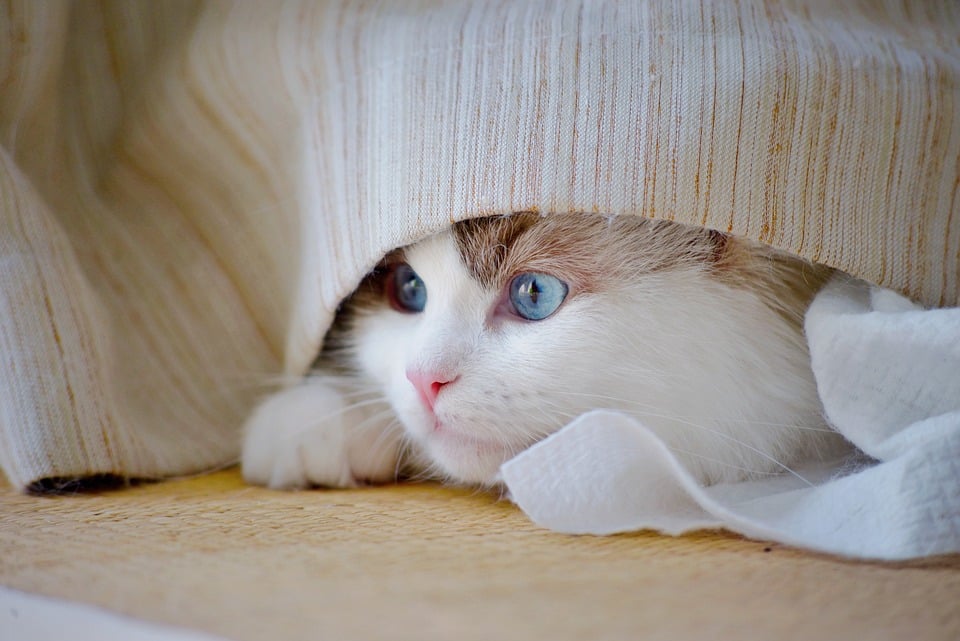
Cats are enigmatic creatures, known for their independent spirits and mysterious behaviors. Among the various behaviors that intrigue and sometimes perplex cat owners is the tendency of cats to hide. Understanding why cats hide and how to address this behavior is crucial for any cat owner who wants to ensure their feline friend’s well-being and happiness. In this article, we will delve into the reasons behind cat hiding behavior, how to identify when it is a cause for concern, and strategies to address and mitigate this behavior.
Understanding Cat Hiding Behavior
Cats are naturally predisposed to hiding due to their ancestral instincts. In the wild, cats are both predators and prey, so hiding is a survival mechanism that helps them avoid threats and stalk their prey. This behavior has been passed down through generations, and even domesticated cats exhibit these instincts.
Reasons for Hiding
1. **Fear and Anxiety**: Cats may hide when they are scared or anxious. Changes in the household, such as new furniture, guests, or other pets, can trigger these feelings. Loud noises, such as thunderstorms or fireworks, can also cause cats to seek refuge.
2. **Illness or Injury**: A sick or injured cat will often hide to protect itself from potential threats while it is vulnerable. If a usually sociable cat begins hiding, it may be a sign of a health issue that requires veterinary attention.
3. **Stress and Changes**: Cats are creatures of habit, and changes in their environment or routine can be stressful. Moving to a new home, rearranging furniture, or changes in the family structure can prompt a cat to seek solace in hiding.
4. **Seeking Solitude**: Sometimes, cats simply want to be alone. Like humans, cats have varying personalities, and some may be more introverted than others. These cats may hide to find a quiet place to relax.
5. **Curiosity and Exploration**: On occasion, hiding can be part of a cat’s natural curiosity and desire to explore. They might hide in small spaces simply to investigate their surroundings.
When to Be Concerned
While hiding is a normal behavior for cats, there are times when it may indicate a more serious issue. It is important to observe your cat’s behavior and determine if their hiding is excessive or accompanied by other concerning signs.
– **Sudden Change in Behavior**: If a cat that is typically social suddenly begins to hide frequently, it may be a sign of stress or illness.
– **Prolonged Hiding**: If a cat hides for extended periods, especially if they refuse to come out for food or interaction, it may warrant a trip to the veterinarian.
– **Accompanying Symptoms**: If hiding is accompanied by other symptoms such as lethargy, lack of appetite, vomiting, or changes in litter box habits, it could indicate a medical issue.
Addressing Cat Hiding Behavior
Once the underlying cause of your cat’s hiding behavior is identified, several strategies can help manage and reduce this behavior.
Creating a Safe Environment
1. **Provide Safe Spaces**: Ensure your cat has access to safe and comfortable hiding spots. Cat trees, boxes, and designated quiet areas can offer your cat a sense of security.
2. **Gradual Introduction**: If introducing new elements into your home, do so gradually. Allow your cat time to adjust to new people, pets, or furniture at their own pace.
3. **Consistent Routine**: Maintaining a consistent routine can help reduce stress and anxiety in cats. Feeding, playtime, and other daily activities should occur at regular intervals.
Enhancing Comfort and Security
1. **Pheromone Products**: Consider using pheromone diffusers or sprays to create a calming environment. These products mimic natural cat pheromones and can help alleviate stress.
2. **Interactive Play**: Engage your cat in interactive play to build their confidence and reduce anxiety. Toys that mimic prey behavior, such as feather wands or laser pointers, can be particularly effective.
3. **Positive Reinforcement**: Reward your cat for coming out of hiding with treats and affection. Positive reinforcement can encourage more social behavior over time.
Health and Veterinary Care
1. **Regular Check-ups**: Regular veterinary visits are crucial for ensuring your cat’s health. Routine check-ups can help identify any underlying medical issues that may contribute to hiding behavior.
2. **Monitor Health Signs**: Be vigilant about monitoring your cat for signs of illness or injury. Early detection and treatment can prevent more serious health problems.
Managing Stress and Anxiety
1. **Identify Stress Triggers**: Pay attention to what triggers your cat’s hiding behavior. Avoiding or minimizing these stressors can help reduce anxiety.
2. **Behavioral Therapy**: In some cases, working with a professional animal behaviorist may be beneficial. They can provide tailored strategies to address anxiety and stress in cats.
3. **Medication**: For severe cases of anxiety, a veterinarian may recommend medication to help manage your cat’s stress levels. This should always be a last resort and used under professional guidance.
Conclusion
Understanding and addressing cat hiding behavior requires patience, observation, and care. By recognizing the reasons behind your cat’s hiding and implementing strategies to create a secure and comfortable environment, you can help your feline companion feel more at ease. Remember, every cat is unique, and what works for one may not work for another. Being attuned to your cat’s individual needs and behaviors will go a long way in ensuring their happiness and well-being.


