
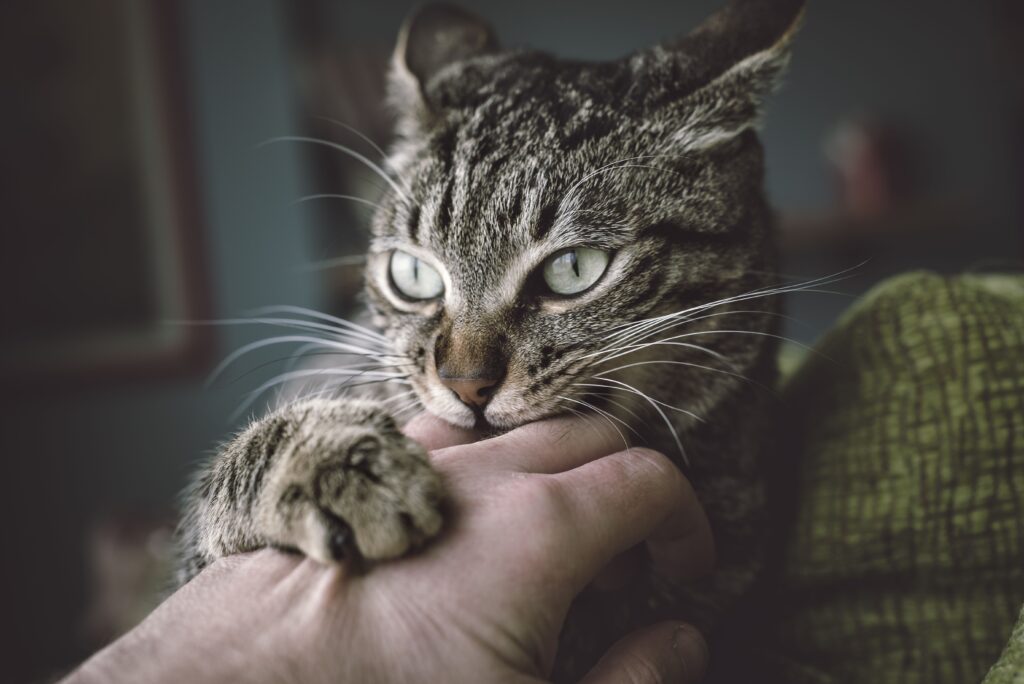
Cats are fascinating creatures, celebrated for their independence, elegance, and mysterious demeanor. However, their aloof nature can sometimes make their behavior perplexing to their human companions. Understanding cat behavior is crucial for a harmonious coexistence. This article delves into common cat behavior issues, their underlying causes, and practical solutions to address them.
Understanding Feline Behavior
Before tackling specific behavior issues, it’s essential to understand the fundamental aspects of feline behavior. Cats are territorial animals, and their actions are often driven by instinct. They communicate through a complex system of vocalizations, body language, and scent markings. Recognizing these signals can provide insights into their mood and intentions.
The Importance of Territory
Territory is a vital concept in a cat’s world. Cats mark their territory using scent glands located on their face, paws, and tail. Scratching, rubbing, and spraying are common ways they establish their domain. Understanding this can explain why cats may react negatively to changes in their environment, such as moving to a new home or introducing a new pet.
Instinctual Behaviors
Cats are natural hunters, and their play behavior often mimics hunting activities. This instinct is crucial for their mental and physical well-being. Recognizing play aggression versus true aggression can help manage interactions between cats and their owners.
Common Cat Behavior Issues
Despite their independent nature, cats can exhibit a range of behavior issues that can be distressing for both the cat and its owner. Some common problems include litter box issues, aggression, excessive meowing, and destructive scratching.
Litter Box Problems
Litter box issues are one of the most common complaints among cat owners. These problems can arise from medical, behavioral, or environmental factors.
– **Medical Causes**: Urinary tract infections, kidney disease, and arthritis can make it painful for cats to use the litter box. A veterinary check-up is essential to rule out medical issues.
– **Behavioral Causes**: Stress, anxiety, or territorial disputes can lead to litter box avoidance. Identifying the source of stress is crucial for resolving the issue.
– **Environmental Factors**: A dirty litter box, inappropriate location, or type of litter can deter cats from using it. Ensuring a clean, accessible, and appropriately sized litter box can help mitigate this problem.
Aggression
Aggression in cats can be directed towards other animals or humans and can manifest in various forms, such as defensive, territorial, or redirected aggression.
– **Defensive Aggression**: Cats may become aggressive when they feel threatened. Providing safe spaces and avoiding situations that cause fear can reduce defensive aggression.
– **Territorial Aggression**: This occurs when a cat perceives an intrusion into its territory. Gradual introductions and positive reinforcement can help integrate new pets or people into the household.
– **Redirected Aggression**: Cats may lash out at their owners or other pets if they are unable to express aggression towards the source of their frustration. Identifying and addressing the trigger is essential.
Excessive Meowing
While some cats are naturally vocal, excessive meowing can indicate underlying issues such as hunger, attention-seeking, or medical problems.
– **Hunger**: Ensuring a consistent feeding schedule can help reduce meowing related to hunger.
– **Attention-Seeking**: If a cat meows for attention, it’s important not to reinforce this behavior by giving in. Instead, provide attention during quiet moments.
– **Medical Issues**: Sudden changes in vocalization patterns may warrant a veterinary visit to rule out health concerns.
Destructive Scratching
Scratching is a natural behavior for cats, serving to sharpen their claws, mark territory, and stretch their muscles. However, it can become a problem when directed towards furniture or other valuable items.
– **Providing Alternatives**: Offering scratching posts and pads can redirect this behavior. Ensuring these tools are stable and covered with appealing materials is key.
– **Protecting Valuables**: Using deterrents like double-sided tape or specific sprays can protect furniture from scratching. Positioning scratching posts near the targeted items can also help.
Solving Cat Behavior Issues
Addressing cat behavior issues requires patience, understanding, and sometimes professional intervention. Here are some strategies to help manage and resolve common problems:
Environmental Enrichment
Boredom can lead to behavioral issues, so providing a stimulating environment is crucial. Toys, climbing structures, and interactive play can satisfy a cat’s physical and mental needs. Rotating toys and introducing new activities can keep their environment engaging.
Positive Reinforcement
Rewarding desired behaviors with treats, praise, or affection can encourage cats to repeat these actions. Consistency is vital, as cats thrive on routine and clear expectations.
Training and Socialization
Training sessions using clicker training or other reward-based methods can build a stronger bond between cats and their owners while addressing behavior issues. Early socialization, especially for kittens, can prevent future problems by exposing them to various experiences and environments.
Professional Help
If behavior issues persist despite efforts to resolve them, consulting with a veterinarian or a certified animal behaviorist can provide additional insights and solutions. These professionals can identify medical or psychological factors contributing to behavior problems and offer tailored advice.
Conclusion
Understanding and addressing common cat behavior issues is integral to maintaining a happy and healthy relationship with your feline companion. By recognizing the causes of these behaviors and implementing practical solutions, cat owners can create a more harmonious living environment. Patience, empathy, and a willingness to adapt are essential components of successful behavior management. By investing time and effort into understanding their feline friends, cat owners can enjoy a rewarding and peaceful coexistence.


