Cats, as obligate carnivores, require a diet that fulfills their specific nutritional needs. As pet owners, choosing the right type of food for your feline companion is crucial to ensuring their health and well-being. When it comes to feeding cats, the two primary options are wet cat food and dry cat food. Each type has its own set of benefits and drawbacks, making the decision a challenging one for many pet owners. This guide aims to provide a comprehensive comparison between wet and dry cat food to help you make an informed choice.
Understanding Cat Nutrition Basics
Before diving into the specifics of wet and dry cat food, it’s important to understand the basic nutritional needs of cats. Cats require a diet high in protein, moderate in fat, and low in carbohydrates. Essential nutrients such as taurine, arachidonic acid, and vitamin A must be present, as cats cannot synthesize these on their own. Hydration is also a significant concern, as cats naturally have a low thirst drive and often rely on their food for moisture.
Wet Cat Food: An Overview
Nutritional Composition
Wet cat food, also known as canned cat food, typically contains a higher moisture content, ranging between 70% to 80%. This high moisture content makes it particularly beneficial for maintaining hydration levels in cats. Wet food generally offers a higher protein content and lower carbohydrate levels compared to dry food, aligning closely with a cat’s natural dietary needs.
Benefits of Wet Cat Food
- Hydration: The high water content helps keep cats hydrated, which is especially beneficial for cats that are prone to urinary tract issues or those who do not drink enough water.
- Palatability: Many cats find wet food more palatable due to its rich aroma and texture, making it an excellent choice for picky eaters.
- Weight Management: The high protein and low carbohydrate content can help maintain a healthy weight, as the food is more satiating.
Drawbacks of Wet Cat Food
- Cost: Wet cat food is generally more expensive than dry food, especially when considering the cost per serving.
- Shelf Life: Once opened, wet food must be consumed quickly or refrigerated, as it spoils faster than dry food.
- Dental Health: Wet food does not provide the same dental benefits as dry food, potentially leading to plaque buildup and dental issues if oral care is neglected.
Dry Cat Food: An Overview
Nutritional Composition
Dry cat food, or kibble, contains a lower moisture content, usually around 10% to 12%. While it often has higher carbohydrate levels, many high-quality dry foods are formulated to meet the protein and fat needs of cats. It’s important to choose a dry food that lists high-quality protein sources as the primary ingredients.
Benefits of Dry Cat Food
- Convenience: Dry food is easy to store, has a longer shelf life, and can be left out for longer periods without spoiling, making it convenient for pet owners with busy schedules.
- Cost-Effective: Generally, dry food is more affordable than wet food, making it a budget-friendly option for many pet owners.
- Dental Health: The crunchy texture of kibble can help reduce plaque and tartar buildup, promoting better dental health.
Drawbacks of Dry Cat Food
- Hydration: The low moisture content means cats need to drink more water to stay hydrated, which can be a challenge for cats with a low thirst drive.
- Palatability: Some cats may find dry food less appealing due to its texture and aroma, which can be an issue for picky eaters.
- Carbohydrate Content: Many dry foods contain higher levels of carbohydrates, which may not align with the dietary needs of all cats and could contribute to weight gain if not managed properly.
Making the Right Choice for Your Cat
Choosing between wet and dry cat food depends on a variety of factors, including your cat’s specific health needs, preferences, and your lifestyle. Here are some considerations to guide your decision:
Health Considerations
If your cat has health issues such as urinary tract problems, diabetes, or obesity, wet food might be the better choice due to its high moisture content and lower carbohydrate levels. Conversely, if your cat has dental issues, dry food might help maintain oral health.
Feeding Preferences
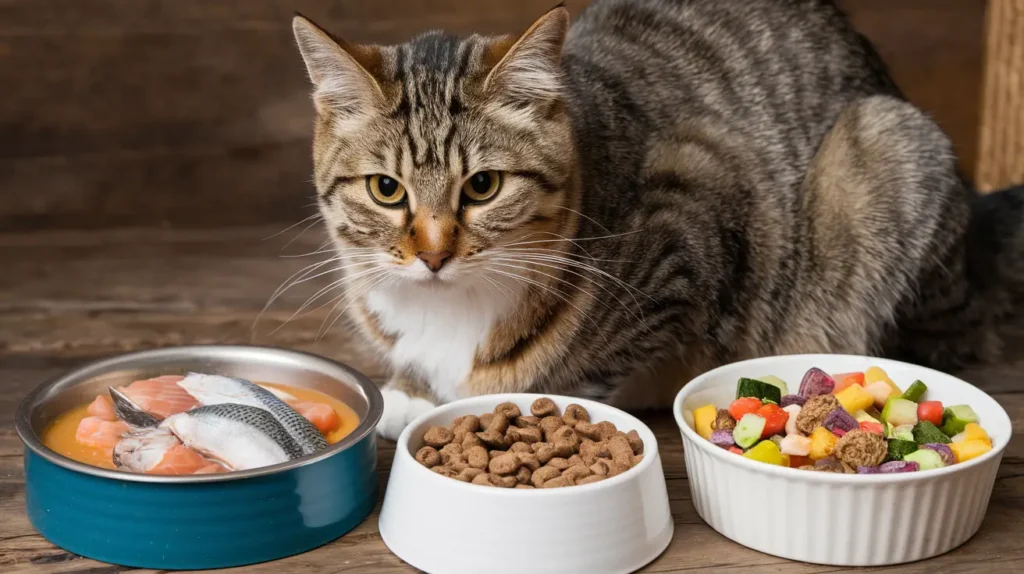
Some cats have strong preferences for either wet or dry food. Observing your cat’s eating habits and preferences can help inform your decision. In some cases, mixing wet and dry food can offer a balanced approach, providing the benefits of both types.
Budget and Convenience
Consider the cost implications and the level of convenience each type of food offers. While dry food is generally more budget-friendly and convenient, wet food provides nutritional benefits that might be worth the extra cost.
Conclusion
Ultimately, the choice between wet and dry cat food should be based on a thorough understanding of your cat’s nutritional needs, health conditions, and personal preferences. Consulting with a veterinarian can provide additional guidance tailored to your cat’s specific requirements. Whether you opt for wet, dry, or a combination of both, ensuring a balanced and nutritious diet is key to maintaining your cat’s health and happiness.