
Cats are enigmatic creatures with a blend of independence and affection that captivates their human companions. However, one of the most common issues cat owners face is their feline friend’s tendency to scratch furniture. This behavior can be frustrating, leading to damaged belongings and strained relationships. Understanding why cats scratch furniture is crucial to addressing this behavior effectively. This article explores the reasons behind this behavior, offering insights into feline psychology and practical solutions for cat owners.
The Natural Instinct of Scratching
Scratching is an innate behavior in cats, deeply embedded in their nature. It serves several essential purposes that are crucial for their well-being.
Marking Territory
Cats are territorial animals, and scratching is one way they claim their domain. When a cat scratches, it leaves both a visual mark and a scent. The scent is deposited from glands located in their paws, signaling ownership to other animals. This combination of visual and olfactory cues is an effective way for cats to communicate their presence and deter potential intruders.
Physical Exercise
Scratching provides cats with a form of physical exercise that helps to stretch and strengthen their muscles. Cats use their claws to pull against a surface, which engages their muscles and provides a satisfying workout. This activity is particularly important for indoor cats that may not have as many opportunities for physical exertion as their outdoor counterparts.
Claw Maintenance
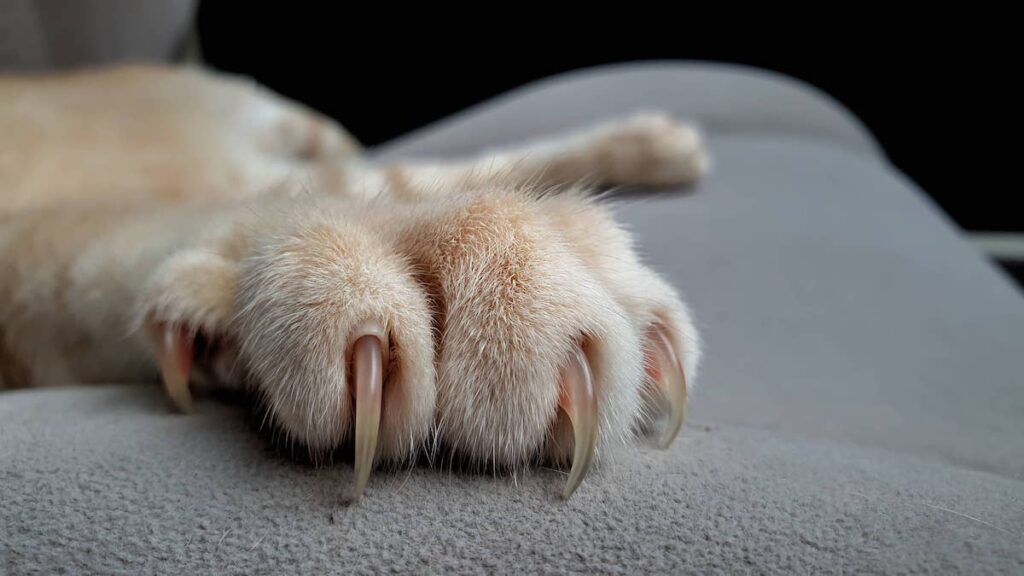
Scratching is also essential for claw maintenance. When cats scratch surfaces, they remove the outer sheath of their claws, promoting healthy growth and preventing them from becoming too long. This natural grooming process keeps their claws sharp and in good condition, which is vital for their hunting instincts and self-defense.
Why Furniture?
While scratching is a natural behavior, the choice of furniture as a target can be puzzling. Several factors contribute to this preference.
Texture and Resistance
Cats are attracted to surfaces that offer a satisfying texture and resistance. Furniture upholstery, such as sofas and armchairs, often provides the perfect combination of materials that cats find appealing. The texture of the fabric, combined with the resistance it offers, makes furniture an ideal scratching post from a cat’s perspective.
Accessibility and Convenience
Furniture is easily accessible to cats, especially in a domestic environment where they spend most of their time. The strategic placement of furniture in a home offers cats the convenience of scratching whenever they please. Unlike designated scratching posts, which may be located in specific areas, furniture is often central to a cat’s living space, making it an attractive option.
Attention-Seeking Behavior
In some cases, cats may scratch furniture to gain attention from their owners. If a cat learns that scratching a particular item results in a reaction—positive or negative—from their human, they may continue the behavior as a way to interact or communicate.
How to Address Scratching Behavior
Knowing why cats scratch furniture is the first step in addressing the issue. Here are practical strategies to help redirect this behavior:
Provide Appropriate Alternatives
One of the most effective ways to deter cats from scratching furniture is to provide them with suitable alternatives. Invest in high-quality scratching posts or boards that mimic the texture and resistance of furniture. Place these alternatives in strategic locations throughout the home, especially near areas where the cat has shown a preference for scratching.
Encourage Positive Reinforcement
Positive reinforcement is a powerful tool in modifying a cat’s behavior. Whenever your cat uses the scratching post instead of the furniture, reward them with praise, treats, or playtime. This positive association reinforces the desired behavior and encourages your cat to continue using the scratching post.
Discourage Unwanted Scratching
To discourage cats from scratching furniture, consider using deterrents such as double-sided tape or aluminum foil on the areas they frequent. These materials create an unpleasant texture that cats dislike, redirecting their attention to appropriate scratching surfaces. Additionally, consider using feline-safe sprays or scents that repel cats from specific areas.
Regular Claw Trimming
Regularly trimming your cat’s claws can help minimize damage to furniture. By keeping their claws at a manageable length, you reduce the risk of deep scratches. If you’re unsure how to trim your cat’s claws safely, consult a veterinarian or professional groomer for guidance.
Environmental Enrichment
Boredom and lack of stimulation can contribute to unwanted scratching. Provide your cat with plenty of toys, interactive playtime, and opportunities to explore their environment. Enrichment activities help keep your cat mentally and physically engaged, reducing the likelihood of destructive behaviors.
Understanding Your Cat’s Perspective
Understanding why cats scratch furniture requires empathy and a willingness to see the world from their perspective. By recognizing the instinctual nature of this behavior, cat owners can approach the issue with patience and understanding.
The Role of Stress and Anxiety
Stress and anxiety can exacerbate scratching behavior. Changes in the household, such as new pets, visitors, or a move, can trigger anxiety in cats. Addressing these underlying stressors and creating a stable, predictable environment can help reduce unwanted scratching.
Communication Through Scratching
Cats communicate through a variety of behaviors, and scratching is one way they express themselves. By paying attention to when and where your cat scratches, you can gain insights into their emotional state and needs. For example, a cat that scratches near windows may be reacting to outdoor stimuli, while a cat that scratches near their owner’s belongings may be seeking attention or comfort.
Conclusion
Cats scratch furniture for a multitude of reasons, all rooted in their natural instincts and behaviors. By understanding these underlying motivations, cat owners can take proactive steps to address and redirect scratching behavior effectively. Providing appropriate alternatives, encouraging positive reinforcement, and creating an enriched environment are essential strategies in fostering a harmonious relationship between cats and their human companions. With patience, empathy, and a commitment to understanding feline behavior, cat owners can navigate the challenges of scratching and cultivate a happy, healthy home for their furry friends.


