
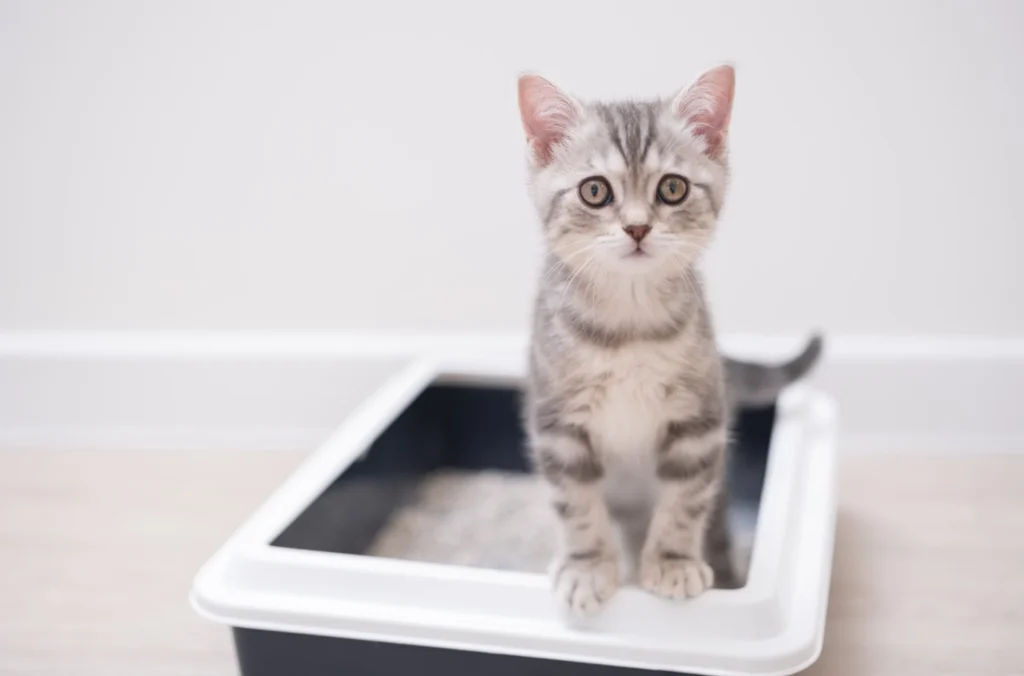
Bringing a new cat or kitten into your home is an exciting experience. However, one of the first challenges you’ll face is ensuring that your feline friend learns to use the litter box. Mastering litter box training is crucial for maintaining a clean and harmonious household. This article offers expert tips to help you and your cat succeed in this essential aspect of pet ownership.
Understanding Your Cat’s Natural Instincts
Cats are naturally inclined to bury their waste, a behavior inherited from their wild ancestors as a means of avoiding predators. This instinct can be leveraged to facilitate litter box training. Understanding this natural behavior is the first step towards successful training.
Choosing the Right Litter Box
Size and Shape
The right litter box should be large enough to accommodate your cat comfortably, allowing them to turn around and dig without restriction. A general rule is to select a box that is at least one and a half times the length of your cat.
Open vs. Covered
Open litter boxes are generally recommended, especially for kittens and older cats. Covered boxes can trap odors and may cause discomfort for some cats. However, if your cat prefers privacy, a covered box with good ventilation might be suitable.
Accessibility
Ensure the litter box is easily accessible, especially for kittens and older cats with mobility issues. Avoid placing it in a location where your cat must navigate stairs or obstacles.
Selecting the Right Litter
Clumping vs. Non-Clumping
Clumping litter is often preferred as it makes waste removal easier and helps control odors. Non-clumping litter can be an option for kittens, as it reduces the risk of ingestion-related issues.
Material Preference
Cats can be particular about the type of litter they prefer. Offer a few different types, such as clay, silica, or biodegradable options, to see which one your cat favors.
Scented vs. Unscented
Unscented litter is generally recommended, as cats have a keen sense of smell and may be deterred by strong fragrances.
Location, Location, Location
Quiet and Private
Place the litter box in a quiet, low-traffic area of your home, away from loud appliances and busy hallways. Cats appreciate privacy, and an ideal location can make all the difference in ensuring regular use.
Avoiding Food and Water Proximity
Cats prefer to keep their eating and elimination areas separate. Ensure the litter box is not placed near their food and water bowls.
Multiple Boxes
If you have multiple cats, provide at least one litter box per cat, plus an extra. This prevents territorial disputes and ensures that each cat has access to a clean box.
Establishing a Routine
Consistency is Key
Cats thrive on routine. Try to maintain consistent feeding and cleaning schedules to help your cat establish a regular elimination routine.
Positive Reinforcement
Reward your cat with treats or affection when they use the litter box correctly. Positive reinforcement encourages repeat behavior and helps build good habits.
Troubleshooting Common Issues
Accidents Outside the Box
If your cat eliminates outside the litter box, first rule out medical issues by consulting your veterinarian. Stress, changes in the household, or a dirty litter box can also contribute to accidents.
Box Aversion
If your cat avoids the litter box, consider whether the box is clean, the litter type is appropriate, or if the location is suitable. Experiment with changes to address the issue.
Marking Behavior
Unneutered male cats and some females may mark territory by spraying. Neutering or spaying your pet often reduces this behavior. Providing multiple litter boxes and addressing household stressors can also help.
Maintaining a Clean Litter Box
Regular Cleaning
Scoop the litter box daily to remove waste, and entirely change the litter every week or two, depending on the type used. Regular cleaning prevents odors and encourages consistent use.
Deep Cleaning
Wash the litter box with mild soap and water during each full litter change. Avoid using strong-smelling cleaners, as they can deter your cat from using the box.
Conclusion
Mastering litter box training is crucial for a harmonious relationship with your cat. By understanding their instincts, choosing the right equipment, and maintaining a consistent routine, you can ensure your feline friend feels comfortable and confident using the litter box. With patience and positive reinforcement, both you and your cat can enjoy a clean and happy home.


