
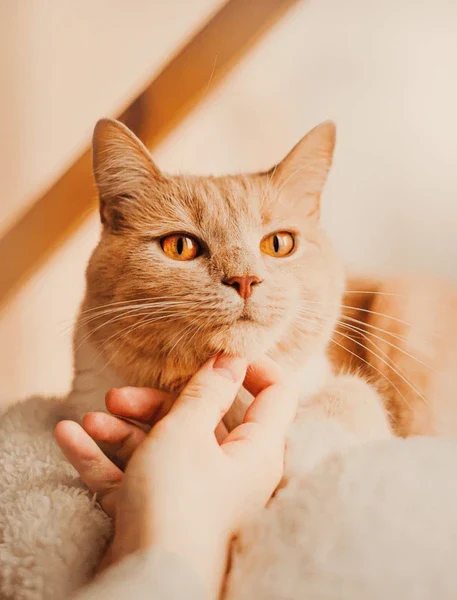
Grooming is an essential part of keeping your feline friend healthy and happy. While cats are known for being meticulous self-groomers, they still need help from their human companions. Regular grooming can prevent health issues, strengthen your bond, and ensure your cat looks and feels their best. In this article, we’ll explore the ultimate cat grooming tips to help you care for your furry friend.
Understanding Your Cat’s Grooming Needs
Each cat is unique, and their grooming needs can vary based on factors such as breed, age, and health status. Long-haired cats like Persians and Maine Coons require more frequent grooming compared to short-haired breeds. Older cats and those with health issues may also need extra attention. Understanding your cat’s specific needs will help you tailor your grooming routine for optimal results.
Recognizing the Importance of Grooming
Grooming plays a crucial role in maintaining your cat’s overall health. It helps prevent matting, reduces shedding, controls hairballs, and allows you to check for parasites, skin issues, or unusual lumps. Additionally, grooming sessions offer an opportunity to bond with your cat, which can enhance their emotional well-being.
Brushing: A Key Component of Cat Grooming
Brushing is one of the most important aspects of cat grooming. It helps remove loose hair, reduces shedding, and prevents mats and tangles. The frequency of brushing depends on your cat’s coat type and length.
Choosing the Right Brush
Selecting the right brush is crucial for effective grooming. For short-haired cats, a rubber brush or bristle brush is ideal. Long-haired cats benefit from slicker brushes or combs designed to tackle tangles. Always ensure the brush is comfortable for your cat and doesn’t cause discomfort.
Brushing Technique
Start by gently brushing in the direction of the hair growth. Use slow, gentle strokes to prevent pulling on the skin. Pay extra attention to areas prone to matting, such as behind the ears and under the legs. Regular brushing not only keeps the coat healthy but also reduces the amount of loose fur your cat ingests when self-grooming.
Bathing Your Cat: When and How
Cats are generally adept at keeping themselves clean, so frequent baths are usually unnecessary. However, there are situations where a bath might be beneficial, such as if your cat gets into something sticky or smelly, or if they have a skin condition.
Preparing for the Bath
Before bathing your cat, gather all necessary supplies: a mild cat shampoo, a large towel, a non-slip mat, and a cup for rinsing. Ensure the water is lukewarm, not hot. Trim your cat’s nails beforehand to prevent scratches, and brush them to remove loose fur.
Bathing Process
Fill the tub or sink with a few inches of lukewarm water. Place your cat gently into the water and wet their coat thoroughly using a cup or detachable showerhead. Apply the shampoo and work it into a lather, avoiding the eyes, ears, and nose. Rinse thoroughly to remove all soap residue. Towel-dry your cat, then allow them to air dry in a warm, draft-free area.
Nail Trimming: Keeping Claws in Check
Regular nail trimming is essential to prevent overgrown claws, which can cause discomfort and lead to injury. It’s also a great way to protect your furniture and skin from scratches.
Tools and Techniques
Use a pair of cat-specific nail clippers or a human nail clipper. Gently press on the paw to extend the claws, then trim just the sharp tip, avoiding the quick (the pink area within the nail). If you’re unsure, ask your veterinarian or a professional groomer for guidance.
Dental Care: Ensuring Oral Health
Oral health is often overlooked in cats, but it’s a vital part of grooming. Dental issues can lead to pain, infection, and other health problems if left untreated.
Brushing Your Cat’s Teeth
Introduce your cat to tooth brushing gradually. Use a cat-specific toothbrush and toothpaste. Start by letting your cat taste the toothpaste, then gently brush in small circles. Aim to brush your cat’s teeth several times a week to prevent plaque buildup.
Ear and Eye Care
Regular ear and eye checks are important to identify and prevent infections or other issues. Cleanliness in these areas contributes to your cat’s overall well-being.
Cleaning Your Cat’s Ears
Check your cat’s ears regularly for dirt, wax, or signs of infection. Use a cotton ball or pad moistened with a vet-approved ear cleaner to gently wipe the outer part of the ear. Avoid inserting anything into the ear canal to prevent injury.
Maintaining Eye Health
Keep an eye on your cat’s eyes for any discharge or redness. Use a damp cotton ball or gauze to gently wipe away any debris. If you notice persistent issues, consult your veterinarian for advice.
Dealing with Shedding and Hairballs
Shedding is a natural process for cats, but excessive hair can lead to hairballs. Regular grooming minimizes shedding and helps control hairballs.
Managing Shedding
Brushing your cat regularly is the best way to manage shedding. Additionally, ensure your cat is on a balanced diet rich in omega-3 fatty acids, which promote a healthy coat. Vacuum your home frequently to reduce the amount of loose hair.
Preventing Hairballs
In addition to regular brushing, provide your cat with a hairball control diet or supplements if recommended by your veterinarian. Ensure your cat stays hydrated, as proper hydration aids in digestion and reduces hairball formation.
Conclusion
Grooming your cat is more than just a routine task; it’s an opportunity to enhance your cat’s health and strengthen your bond. By understanding their specific grooming needs and incorporating these ultimate cat grooming tips, you can keep your feline friend healthy, happy, and looking their best. Remember, if you’re ever unsure about any aspect of cat grooming, don’t hesitate to consult with a veterinarian or professional groomer for guidance.