
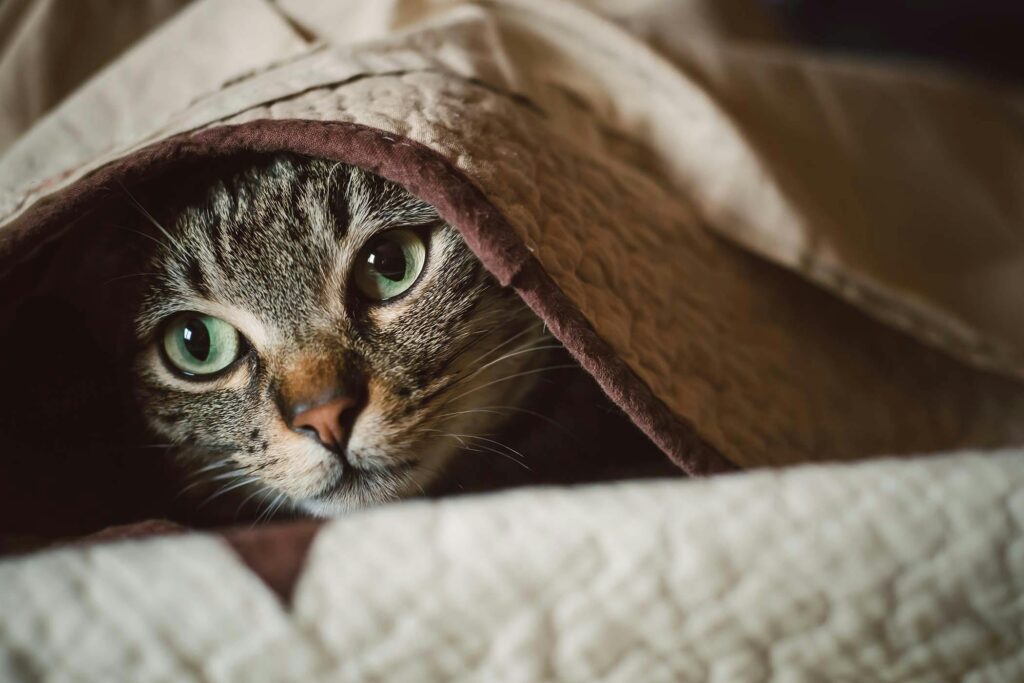
Cats are known for their independent and sometimes aloof nature, but like humans, they can experience anxiety. Understanding and easing your cat’s anxiety behavior is crucial for their well-being and your peace of mind. This article delves into the causes of feline anxiety, signs to look out for, and effective strategies to help your furry friend feel more at ease.
Understanding Feline Anxiety
Cats, despite their often stoic demeanor, can be quite sensitive creatures. Their anxiety can stem from various sources, including environmental changes, lack of socialization, or even genetic predispositions. To effectively address this issue, it is essential to understand the underlying causes and manifestations of anxiety in cats.
Causes of Anxiety in Cats
1. **Environmental Changes**: Cats are creatures of habit and can become anxious when their environment changes. This can include moving to a new home, introducing a new pet, or even rearranging furniture.
2. **Social Factors**: Cats may experience anxiety due to lack of socialization or negative experiences with other animals or humans.
3. **Health Issues**: Sometimes, anxiety can be a symptom of underlying health problems. Pain or discomfort can lead to stress and anxiety in cats.
4. **Genetic Factors**: Some breeds are more prone to anxiety than others. Siamese and Burmese cats, for example, are known for their sensitive nature.
Recognizing Signs of Anxiety in Cats
Identifying anxiety in cats requires keen observation. Cats may not always express their distress in obvious ways, so understanding the subtle signs is crucial.
Behavioral Signs
1. **Hiding**: An anxious cat may hide more frequently or for extended periods.
2. **Aggression**: Anxiety can manifest as increased aggression towards other animals or humans.
3. **Excessive Grooming**: Cats may groom themselves to the point of creating bald spots.
4. **Vocalization**: An increase in meowing or yowling can indicate stress.
5. **Litter Box Issues**: Urinating or defecating outside the litter box can be a sign of stress.
Physical Signs
1. **Loss of Appetite**: Anxiety can lead to changes in eating habits.
2. **Weight Loss**: Persistent anxiety may cause a noticeable decrease in weight.
3. **Digestive Issues**: Stress can lead to vomiting or diarrhea.
Strategies to Ease Your Cat’s Anxiety
Once you’ve identified that your cat is experiencing anxiety, there are several strategies you can employ to help ease their stress.
Environmental Enrichment
1. **Safe Spaces**: Provide your cat with a quiet, comfortable space where they can retreat and feel secure.
2. **Interactive Toys**: Stimulate your cat’s mind and body with toys that encourage play and exploration.
3. **Perches and Scratching Posts**: Cats feel more secure when they have high perches to observe their environment and scratching posts to mark their territory.
Socialization and Interaction
1. **Gentle Handling**: Ensure that interactions with your cat are gentle and positive.
2. **Routine**: Cats thrive on routine. Regular feeding, playtime, and grooming can help reduce anxiety.
3. **Positive Reinforcement**: Reward calm behavior with treats or affection to reinforce a sense of security.
Behavioral Training
1. **Desensitization**: Gradually expose your cat to anxiety-inducing stimuli in a controlled manner to reduce sensitivity.
2. **Counter-Conditioning**: Associate anxiety triggers with positive experiences to alter your cat’s emotional response.
Medical Intervention
1. **Consult Your Veterinarian**: If anxiety persists, consult a veterinarian to rule out health issues or discuss possible medical treatments.
2. **Medications**: In severe cases, medications like anxiolytics or antidepressants may be prescribed to help manage anxiety.
Conclusion
Understanding and easing your cat’s anxiety behavior is a multifaceted process that requires patience and compassion. By identifying the causes and signs of anxiety, and employing strategies like environmental enrichment, socialization, and behavioral training, you can help your feline friend lead a happier, more relaxed life. Remember, if anxiety persists, seeking professional advice from a veterinarian or a certified animal behaviorist is always a wise decision. Your cat’s well-being is worth the effort, and with time and care, you can create a serene environment that fosters confidence and contentment.


