
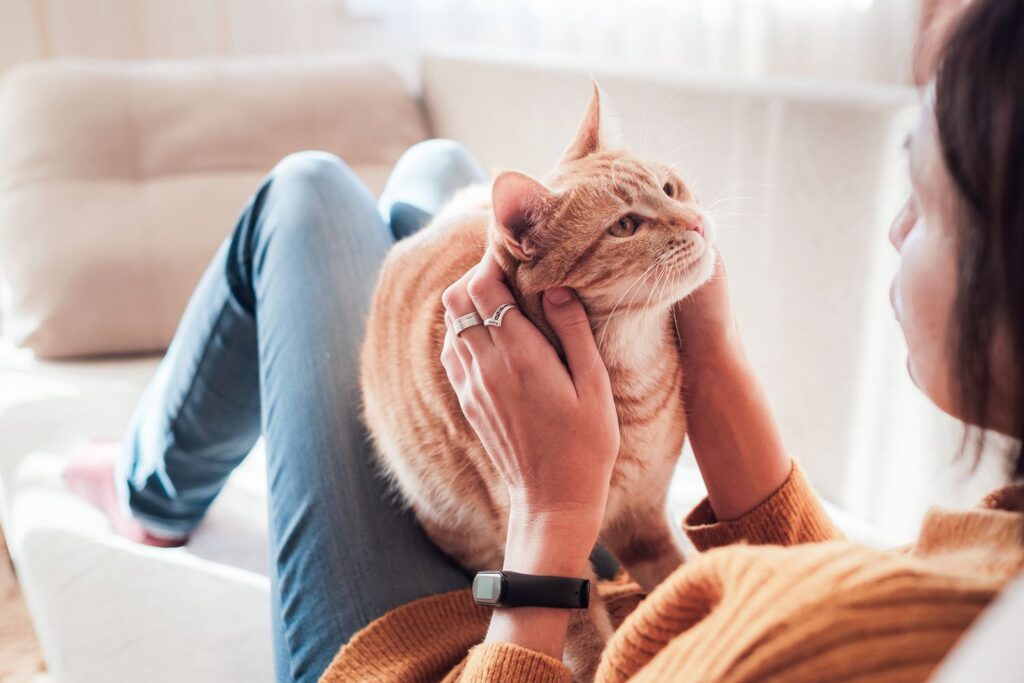
Cats, known for their independence and mysterious demeanor, can sometimes suffer from anxiety just like humans. An anxious cat can display behaviors such as excessive grooming, hiding, aggression, or even refusal to eat. Understanding and addressing the root causes of feline anxiety is crucial for their well-being. This article delves into proven techniques to soothe an anxious cat, helping them live a more relaxed and happy life.
### Understanding Feline Anxiety
Before diving into the solutions, it’s essential to understand what might cause anxiety in cats. Common sources include:
– **Changes in Environment:** Moving to a new home, rearranging furniture, or introducing new pets can unsettle cats.
– **Lack of Socialization:** Cats not properly socialized during their formative months might be more prone to anxiety.
– **Health Issues:** Pain or illness can often manifest as anxiety. It’s crucial to rule out any medical conditions with a vet.
– **Separation Anxiety:** Some cats become distressed when left alone for extended periods.
Recognizing these triggers allows pet owners to better address anxiety in their feline friends.
### Creating a Safe and Comfortable Environment
Anxiety in cats can often be alleviated by creating a secure, comfortable environment.
#### Safe Spaces
Cats need their personal space where they can retreat when feeling overwhelmed. Designate a quiet area in your home with cozy bedding, favorite toys, and perhaps a perch or hiding spot. This gives them a sense of security and control over their environment.
#### Consistent Routine
Cats thrive on routine, and disruptions can lead to anxiety. Try to maintain consistent feeding, playtime, and bedtime schedules. Even minor changes in routine can be stressful, so consistency is key.
### Utilizing Calming Products
Several products are designed to help calm anxious cats.
#### Feline Pheromone Diffusers
Pheromone diffusers, like Feliway, mimic the natural pheromones cats produce to mark safe spaces. These diffusers can reduce stress-related behaviors such as scratching and urine marking.
#### Calming Collars
Calming collars release pheromones continuously, providing constant comfort. They are especially useful for cats who are frequently on the move or live in multi-cat households.
#### Herbal Remedies
Natural supplements containing ingredients like chamomile, valerian, and L-theanine can help reduce anxiety. Always consult with a veterinarian before introducing new supplements into your cat’s diet.
### Behavioral Training and Enrichment
Proper training and enrichment can significantly reduce feline anxiety.
#### Positive Reinforcement
Reward your cat for calm behavior with treats or affection. Positive reinforcement helps them associate calm behavior with positive outcomes, gradually reducing anxiety levels.
#### Interactive Play
Engaging your cat in interactive play sessions can burn off excess energy and reduce stress. Use toys like feather wands or laser pointers to simulate hunting, which is a natural stress-reliever for cats.
#### Puzzle Toys
Puzzle toys challenge your cat’s mind and can keep them occupied for hours. This mental stimulation can reduce anxiety by providing an outlet for their natural instincts.
### Desensitization and Counter-Conditioning
These techniques can be highly effective for cats with specific anxiety triggers.
#### Desensitization
Gradually expose your cat to the source of their anxiety in a controlled manner. For example, if your cat is afraid of the vacuum, start by leaving it in the room turned off, gradually progressing to turning it on for short periods while rewarding your cat for staying calm.
#### Counter-Conditioning
Pair the anxiety-inducing stimulus with something positive. If your cat is anxious about the doorbell, offer a treat every time it rings. Over time, they’ll associate the sound with positive experiences.
### Providing Adequate Socialization
Proper socialization is crucial, especially for kittens, to prevent anxiety later in life.
#### Early Socialization
Expose kittens to various people, environments, and other animals early on. Positive experiences during this formative period can lead to well-adjusted adult cats.
#### Gentle Exposure
For older cats, introduce new experiences slowly and gently. Use treats and toys to create positive associations with new people or environments.
### Professional Help
Sometimes, professional intervention is necessary to address severe anxiety.
#### Veterinary Consultation
If anxiety is affecting your cat’s quality of life, consult a veterinarian. They can rule out medical conditions and may prescribe anti-anxiety medication if necessary.
#### Professional Trainers and Behaviorists
Animal behaviorists or certified trainers can offer tailored strategies to address your cat’s specific anxiety issues. They can work with you to create a comprehensive plan that includes training, environmental modifications, and possibly medication.
### Monitoring and Adjusting Strategies
It’s important to monitor your cat’s progress and adjust strategies as needed.
#### Regular Assessment
Keep track of your cat’s behavior and note any changes. This can help determine which techniques are effective and if any adjustments are necessary.
#### Patience and Persistence
Reducing anxiety in cats takes time. Be patient and persistent, as consistency is key to helping your cat overcome their fears.
### Conclusion
Soothe your anxious cat with a combination of environmental adjustments, behavioral training, and, if necessary, professional help. Understanding the root causes of anxiety and implementing these proven techniques can significantly improve your cat’s quality of life. Remember, patience and persistence are crucial in helping your feline friend find peace and contentment.


