
Fleas are a common nuisance for cats and their owners. These small, wingless insects can cause significant discomfort and health issues for your feline friend. Not only do they cause itching and irritation, but fleas can also transmit diseases and lead to severe infestations in your home. This article will explore effective cat flea treatments that provide quick relief, ensuring your cat remains healthy and comfortable.
Understanding Fleas and Their Impact on Cats
Fleas are ectoparasites that feed on the blood of their hosts. For cats, a flea infestation can result in a range of problems, from mild itching to serious conditions such as flea allergy dermatitis (FAD), anemia, and the transmission of tapeworms. It’s essential to spot the signs of flea infestation early, including excessive scratching, biting at the skin, hair loss, red bumps, and in some cases, pale gums indicative of anemia.
Conventional Flea Treatments
When it comes to managing fleas in cats, conventional treatments are often the first line of defense. These treatments are usually either topical or oral, and many are available over-the-counter or through a veterinarian.
Topical Treatments
Topical treatments, also known as spot-on treatments, are applied directly to the cat’s skin, usually at the back of the neck. They are designed to kill adult fleas and prevent the development of flea eggs and larvae. Popular brands include Frontline Plus, Advantage II, and Revolution. These treatments are generally effective for up to a month and are favored for their ease of use and quick action.
Oral Medications
Oral flea treatments are another effective method for controlling flea infestations. These are available in pill or chewable form and work by killing fleas when they bite the treated cat. Options like Capstar, Comfortis, and Bravecto offer varying durations of effectiveness, from a single day to up to three months, depending on the product. Oral medications are particularly useful for cats that react adversely to topical treatments.
Natural and Holistic Flea Treatments
For pet owners seeking more natural options, there are several holistic treatments available. While these may not always be as immediately effective as conventional treatments, they can be useful for maintaining a flea-free environment and reducing the likelihood of infestations.
Essential Oils
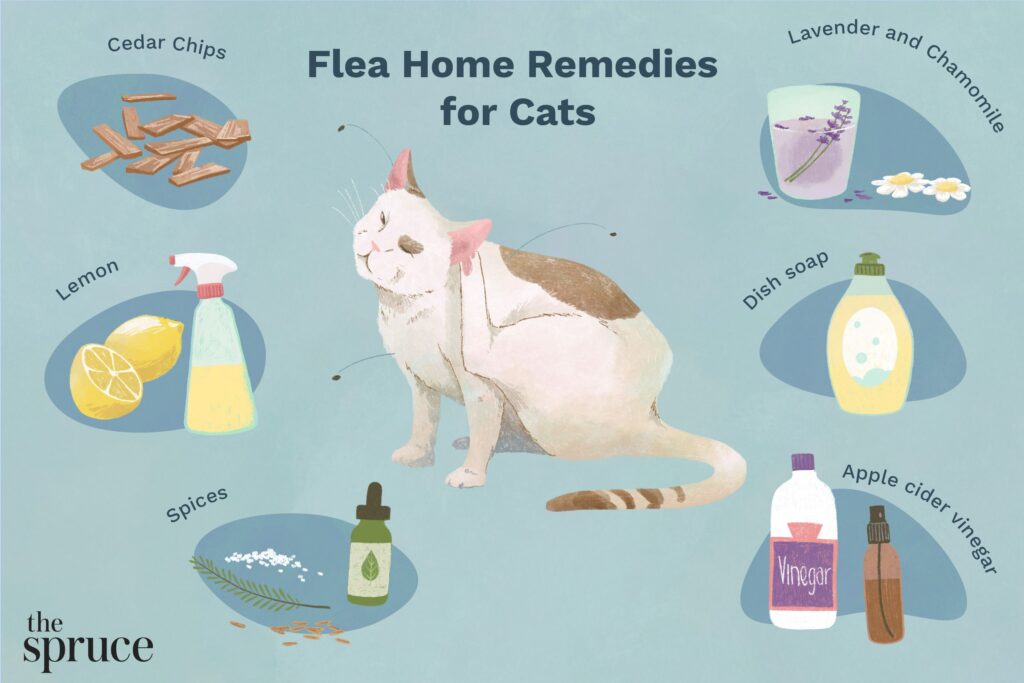
Some essential oils, such as neem oil, lavender, and cedarwood oil, are known for their flea-repelling properties. However, caution is necessary when using essential oils, as cats are particularly sensitive to many of them. Always dilute oils properly and consult a veterinarian before application.
Herbal Flea Collars
Herbal flea collars are infused with natural ingredients like citronella and eucalyptus, providing a chemical-free option for flea prevention. These collars can be a good preventative measure, especially when used in conjunction with other treatments.
Diatomaceous Earth
Food-grade diatomaceous earth can be sprinkled on your cat’s coat to kill fleas through dehydration. This natural powder is safe for cats when used correctly and can also be applied to carpets and bedding to eliminate fleas in the environment.
Environmental Control
To effectively manage flea infestations, treating your cat is only part of the solution. It’s crucial to address fleas in the environment to prevent re-infestation.
Regular Cleaning
Vacuuming your home regularly can help remove fleas, eggs, and larvae from carpets, rugs, and furniture. Wash your cat’s bedding and any fabrics they frequently contact in hot water to kill any fleas and their eggs.
Insect Growth Regulators (IGRs)
IGRs are chemicals that inhibit the development of flea eggs and larvae, preventing them from maturing into adults. Products containing IGRs can be sprayed in the home to break the flea life cycle and reduce future infestations.
Outdoor Maintenance
Keep your yard tidy by mowing the lawn regularly and removing debris to reduce flea habitats. Consider using outdoor flea control products as needed, especially if your cat spends time outside.
Consultation and Veterinary Guidance
Before starting any flea treatment, it’s advisable to consult with a veterinarian. They can recommend the most suitable treatment based on your cat’s health, age, and lifestyle. Regular veterinary check-ups are also essential for monitoring your cat’s overall health and catching any flea-related issues early.
Conclusion
Managing a flea infestation in cats requires a comprehensive approach that includes effective flea treatments, natural remedies, and environmental control. By understanding the different treatment options and implementing preventive measures, you can ensure quick relief and long-term protection for your cat. Remember, the best flea control strategy is one that combines multiple methods tailored to your cat’s specific needs and your living environment.