
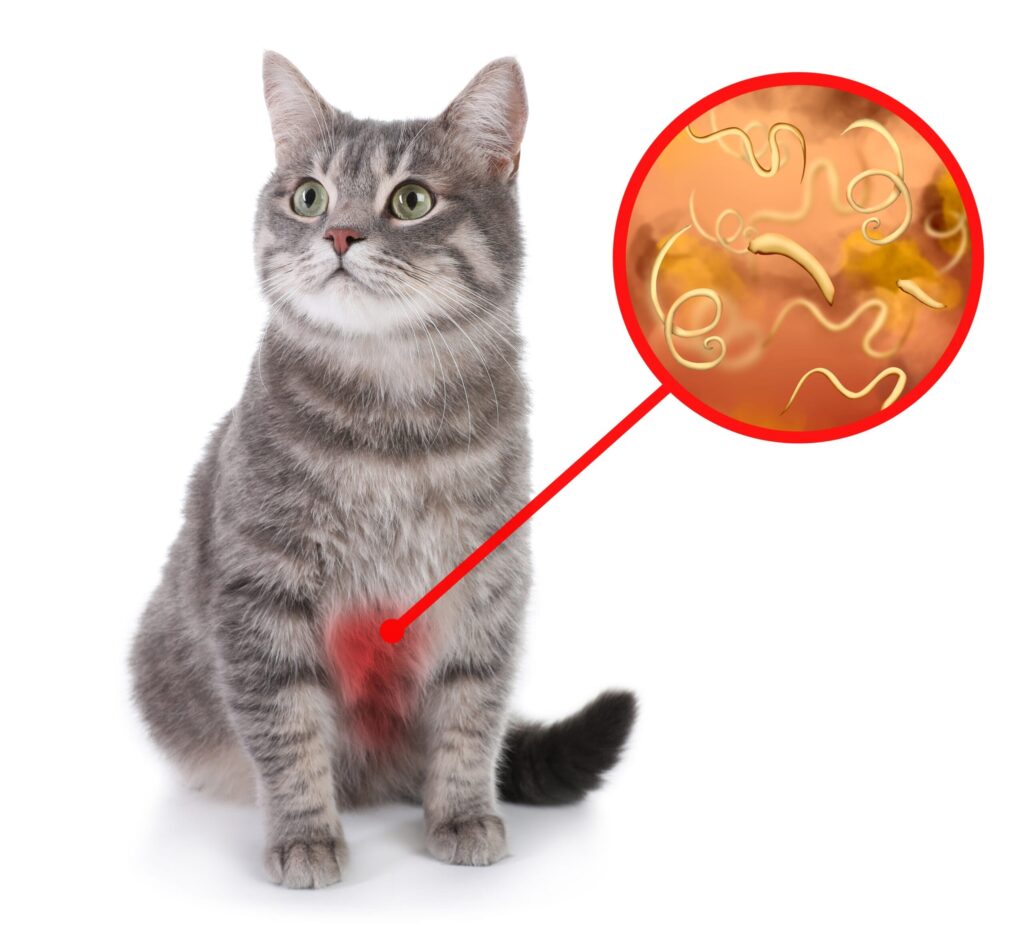
Cats are beloved members of our families, but as pet owners, we are tasked with ensuring their health and well-being. One critical aspect of feline health is managing and preventing parasitic infections, particularly worms. Worms can cause a range of health problems in cats, from mild discomfort to severe illness, and can even be transmitted to humans. Therefore, effective cat worming solutions are essential for maintaining your cat’s health and ensuring a happy life for your feline friend.
Understanding Feline Worms
Worms are internal parasites that can reside in various parts of a cat’s body, most commonly the intestines. The most prevalent types of worms in cats include roundworms, tapeworms, hookworms, and heartworms. Each type of worm can affect cats in different ways, and understanding these differences is crucial for effective treatment and prevention.
Roundworms
Roundworms are the most common intestinal parasites found in cats. They resemble spaghetti and can grow up to several inches long. Cats can contract roundworms by ingesting eggs from the environment or through the milk of an infected mother. Symptoms of roundworm infection include a pot-bellied appearance, diarrhea, vomiting, and weight loss.
Tapeworms
Tapeworms are long, flat parasites that attach themselves to the intestines. They are typically transmitted to cats through the ingestion of infected fleas or small mammals. Tapeworm segments may be visible in the cat’s feces or around the anus, resembling grains of rice. While often causing only mild symptoms, tapeworms can lead to weight loss and irritation.
Hookworms
Hookworms are smaller than roundworms and attach themselves to the intestinal wall, where they feed on the cat’s blood. This can lead to anemia, weakness, and weight loss. Cats can become infected by ingesting larvae from the environment or through skin contact with contaminated soil.
Heartworms
While less common in cats than in dogs, heartworms can still pose a significant threat. These worms are transmitted through mosquito bites and reside in the heart and lungs. Symptoms include coughing, difficulty breathing, and lethargy. Heartworm infection in cats can be severe and potentially fatal, making prevention crucial.
Signs and Symptoms of Worm Infestation
Recognizing the signs of worm infestation in cats is the first step in ensuring effective treatment. Common symptoms include:
– Diarrhea or soft stools
– Vomiting
– Weight loss despite a normal appetite
– A bloated or pot-bellied appearance
– Dull coat
– Visible worms or segments in feces or around the anus
– Coughing or difficulty breathing (in the case of heartworms)
It is important to note that some cats may not show obvious signs of worm infestation, especially in the early stages. Regular veterinary check-ups and fecal examinations are essential for early detection and treatment.
Effective Cat Worming Solutions
Treating and preventing worm infestations in cats involves a combination of veterinary care, medication, and preventive measures. Here are some of the most effective solutions:
Veterinary Diagnosis and Tailored Treatment
The first step in treating a worm infestation is an accurate diagnosis from a veterinarian. This typically involves a fecal examination to identify the type of worm present. Once the specific parasite is identified, the veterinarian can recommend the appropriate deworming medication.
Deworming Medications
There are several deworming medications available, each targeting different types of worms. Commonly used medications include:
– Pyrantel pamoate: Effective against roundworms and hookworms.
– Praziquantel: Used to treat tapeworms.
– Milbemycin oxime and ivermectin: Often used for heartworm prevention.
These medications are available in various forms, such as tablets, liquids, and topical treatments. It is essential to follow the veterinarian’s dosage instructions carefully to ensure effectiveness and minimize the risk of side effects.
Regular Deworming Schedule
To prevent future infestations, it is crucial to establish a regular deworming schedule for your cat. Kittens are especially vulnerable and should be dewormed every two weeks from the age of three weeks until they are eight weeks old. Afterward, a monthly deworming regimen is recommended until they reach six months of age. Adult cats should be dewormed at least every three months, although the exact schedule may vary based on the cat’s lifestyle and risk of exposure.
Flea Control
Since fleas are a common carrier of tapeworms, effective flea control is vital in preventing tapeworm infestations. Use veterinarian-recommended flea control products to protect your cat from flea bites and reduce the risk of tapeworm transmission. Regularly clean your cat’s bedding and living areas to minimize flea populations.
Environmental Management
Maintaining a clean environment is crucial in preventing worm infestations. Regularly clean litter boxes, remove feces from the yard, and keep your cat’s living area clean and free from potential sources of contamination. Avoid allowing your cat to roam freely outdoors, as this increases the risk of exposure to infected animals and environments.
Diet and Nutrition
A healthy diet can boost your cat’s immune system and help prevent parasitic infections. Ensure that your cat receives a balanced diet rich in essential nutrients. Consult your veterinarian for dietary recommendations tailored to your cat’s specific needs.
Preventing Human Infection
While worms are primarily a concern for your cat’s health, certain types can also pose a risk to humans. Roundworm eggs, for example, can be ingested by humans, leading to health issues. To reduce the risk of zoonotic transmission, practice good hygiene, such as washing your hands after handling your cat or cleaning its litter box. Keep your cat’s living area clean and ensure your cat is on a regular deworming schedule.
Conclusion
Effective cat worming solutions are essential for maintaining your feline friend’s health and well-being. By understanding the types of worms that can affect cats, recognizing the signs of infestation, and implementing a comprehensive prevention and treatment plan, you can protect your cat from the harmful effects of parasites. Regular veterinary care, appropriate deworming medications, environmental management, and good hygiene practices are key components of an effective worming strategy. By taking proactive measures, you can ensure a long, healthy, and happy life for your beloved cat.