
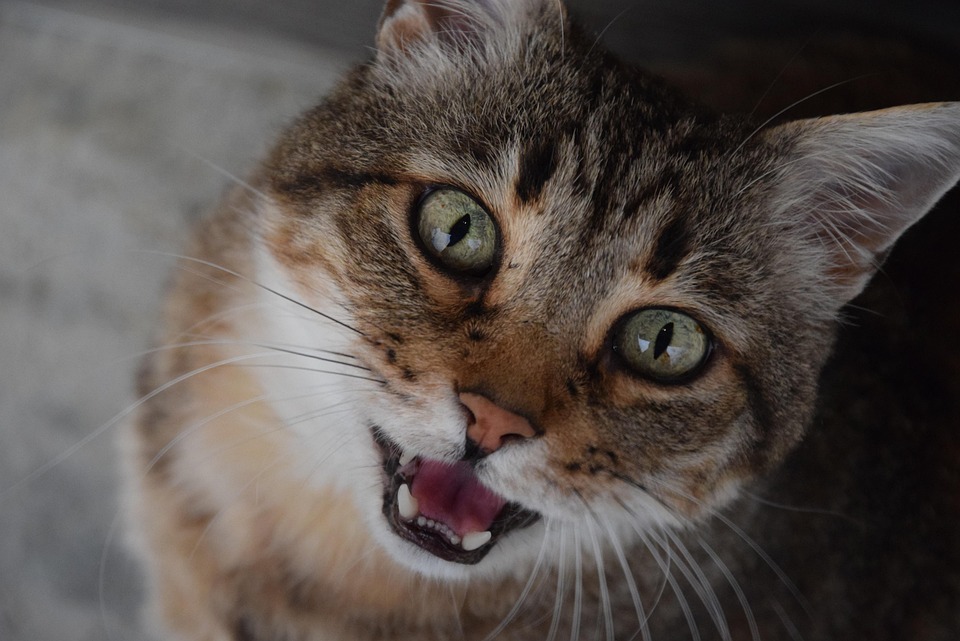
Cats are fascinating creatures with a complex range of behaviors, and while they are often perceived as independent and mysterious, they have a unique way of communicating with their human companions—through meowing. Unlike dogs, who primarily use body language to communicate, cats depend heavily on vocalization to express their needs and emotions. Understanding these vocalizations can deepen your bond with your feline friend and ensure their needs are met. In this article, we’ll explore the various reasons your cat may be meowing and how to interpret their sounds effectively.
The Basics of Cat Meowing
Cats meow for a variety of reasons, and each meow can convey different meanings depending on its pitch, length, and frequency. While kittens use meowing to communicate with their mothers, adult cats typically reserve meowing for interactions with humans. Understanding the nuances of your cat’s meows can provide insights into their emotional and physical well-being.
Common Reasons Cats Meow
Hunger or Thirst
One of the most straightforward reasons a cat meows is to signal hunger or thirst. Cats quickly learn that vocalizing can draw their owner’s attention, especially when it’s time for a meal. If your cat’s meowing is accompanied by them leading you to their food or water dish, it’s a clear indication that they are in need of sustenance.
Seeking Attention
Cats are often stereotyped as aloof, but many are quite social and enjoy interacting with their human companions. A cat may meow to initiate playtime, petting, or simply to have some company. If a cat is bored or lonely, their meows may increase in frequency and intensity as a way to solicit interaction.
Expressing Discomfort or Pain
Meowing can sometimes be a sign that your cat is in discomfort or pain. If your cat is meowing more than usual and you notice other changes in their behavior, such as hiding, lethargy, or changes in grooming habits, it may be time for a visit to the veterinarian. Cats are adept at hiding pain, so vocalization can be a crucial indicator of an underlying issue.
Greeting You
Many cats will greet their owners with a meow or series of meows, especially after a period of separation. This type of meow is generally friendly and welcoming, akin to saying “hello” or “I missed you.” It’s a positive sign that your cat is happy to see you and values your presence.
Expressing Frustration or Stress
Cats are creatures of habit, and they can become stressed or frustrated by changes in their environment, such as a move, new furniture, or the introduction of a new pet or family member. Meowing in these instances can be a way for your cat to express their unease. Providing a stable and familiar environment can help alleviate these feelings.
Signaling Reproductive Status
Unspayed female cats in heat and unneutered male cats may vocalize excessively as part of their mating behavior. These meows are often loud and persistent. Spaying or neutering your cat can help reduce this type of vocalization and prevent unwanted litters.
Indicating a Medical Issue
Sometimes, excessive meowing can be a sign of a medical issue, such as hyperthyroidism, hypertension, or cognitive dysfunction syndrome in older cats. If your cat’s meowing pattern changes significantly and is accompanied by other symptoms like weight loss, increased thirst, or changes in activity levels, consult your veterinarian.
Interpreting Different Types of Meows
Cats have a wide range of meows, and each type can provide clues to their current state or needs. Here are some common meow types and what they may signify:
Short Meow
A short, soft meow is often a simple greeting or acknowledgment. It’s usually a friendly sound that can indicate a cat’s contentment.
Long, Drawn-Out Meow
This type of meow can indicate a demand for something, such as food or attention. It’s your cat’s way of insisting on having their needs met immediately.
Repeated Meows
When a cat meows multiple times in succession, it could be a sign of excitement or urgency. Pay attention to the context to determine what your cat might be trying to communicate.
High-Pitched Meow
A high-pitched meow can signify distress or pain. If your cat suddenly emits a high-pitched meow, it’s important to investigate the cause and ensure they are not hurt or scared.
How to Respond to Your Cat’s Meows
Understanding your cat’s meows is just the first step; knowing how to respond appropriately is equally important. Here are some tips for addressing your cat’s vocalizations:
Identify the Cause
Before responding, try to determine the reason for your cat’s meowing. Check for obvious needs such as food, water, or litter box issues. Observe their body language and the context of the meowing to gain insights.
Provide Enrichment
If your cat is vocalizing out of boredom, provide more mental and physical stimulation. Interactive toys, puzzle feeders, and regular playtime can help keep your cat engaged and reduce excessive meowing.
Establish a Routine
Cats thrive on routine, and establishing a consistent schedule for feeding, playtime, and other activities can help reduce anxiety-related vocalizations. Predictability can be comforting for cats and may decrease their need to vocalize.
Consult a Veterinarian
If your cat’s meowing is persistent and you’re unable to determine the cause, consult a veterinarian to rule out any medical issues. Early detection and treatment of health problems can prevent further complications.
Conclusion
Decoding your cat’s meows is an essential part of being a responsible and attentive cat owner. By understanding the reasons behind their vocalizations, you can better meet your cat’s needs and strengthen your bond with them. Remember that each cat is unique, and their meows can vary based on personality, breed, and individual experiences. Pay attention to your cat’s specific patterns and responses to effectively communicate and coexist harmoniously with your feline friend.
#ChatGPT assisted in the creation of this article.


