Cat obesity is a growing concern among pet owners and veterinarians alike. With the rise in the number of overweight and obese cats, it is crucial to address this issue to ensure the health and well-being of our feline companions. Obesity in cats can lead to numerous health problems, including diabetes, arthritis, and heart disease. However, with the right strategies, cat obesity can be prevented. This article will explore effective strategies to prevent cat obesity today, focusing on diet, exercise, and lifestyle changes.
Understanding Cat Obesity
Before diving into prevention strategies, it’s essential to understand what constitutes obesity in cats. Obesity is defined as an excess of body fat that negatively impacts a cat’s health. A cat is considered overweight if it weighs 10-20% above its ideal body weight and obese if it’s more than 20% above its ideal weight.
Causes of Cat Obesity
Several factors contribute to cat obesity, including:
1. **Overfeeding**: One of the primary causes of obesity in cats is overfeeding. Many cat owners inadvertently feed their pets more than they need, leading to weight gain.
2. **Lack of Exercise**: Indoor cats often do not get enough exercise, which can contribute to weight gain.
3. **Genetics**: Some cat breeds are more prone to obesity due to their genetic makeup.
4. **Age**: As cats age, they become less active, which can lead to weight gain.
5. **Medical Conditions**: Certain medical conditions, such as hypothyroidism, can cause weight gain in cats.
Effective Strategies to Prevent Cat Obesity
Preventing cat obesity requires a multifaceted approach that includes proper diet management, regular exercise, and monitoring your cat’s health. Here are some effective strategies to help keep your cat at a healthy weight.
1. Balanced Diet
A balanced diet is crucial in preventing cat obesity. Here are some tips to ensure your cat’s diet supports a healthy weight:
– **Portion Control**: Measure your cat’s food to ensure they are getting the right amount. Consult with your veterinarian to determine the appropriate portion sizes based on your cat’s age, weight, and activity level.
– **High-Quality Food**: Choose high-quality cat food that provides balanced nutrition. Look for foods that are high in protein and low in carbohydrates, as cats are obligate carnivores and require a diet rich in animal protein.
– **Limit Treats**: Treats should make up no more than 10% of your cat’s daily caloric intake. Opt for low-calorie treats and avoid overindulging your cat.
– **Scheduled Feeding**: Establish a feeding schedule and stick to it. Avoid free-feeding, as it can lead to overeating and weight gain.
2. Regular Exercise
Exercise is essential for maintaining a healthy weight in cats. It helps burn calories, build muscle, and improve overall health. Here are some ways to encourage your cat to be more active:
– **Interactive Play**: Spend time playing with your cat using toys that encourage movement, such as feather wands, laser pointers, and toy mice.
– **Create an Engaging Environment**: Provide your cat with climbing structures, scratching posts, and window perches to encourage physical activity.
– **Scheduled Playtime**: Dedicate time each day for interactive play sessions to ensure your cat gets enough exercise.
– **Encourage Natural Behaviors**: Encourage behaviors like hunting and exploring by hiding treats or toys around the house.
3. Monitor Your Cat’s Weight and Health
Regular monitoring of your cat’s weight and health is crucial in preventing obesity. Here’s how you can keep track:
– **Regular Weigh-Ins**: Weigh your cat regularly to monitor any changes in weight. A gradual increase can indicate a problem.
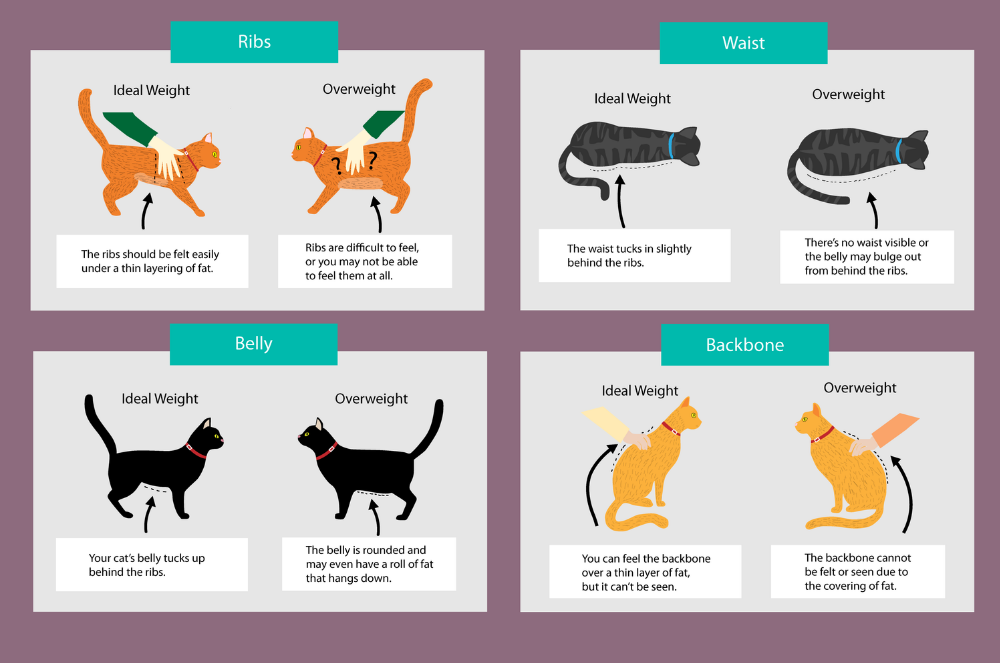
– **Body Condition Scoring (BCS)**: Learn how to assess your cat’s BCS, which helps determine if your cat is underweight, overweight, or at an ideal weight. Consult your veterinarian for guidance on how to perform a BCS assessment.
– **Regular Vet Check-Ups**: Schedule regular veterinary check-ups to monitor your cat’s overall health and address any weight concerns.
4. Addressing Underlying Health Issues
Sometimes, underlying health issues can contribute to weight gain in cats. It’s essential to address these issues promptly:
– **Medical Evaluation**: If your cat is gaining weight despite a controlled diet and exercise, consult your veterinarian for a thorough medical evaluation.
– **Manage Medical Conditions**: If your cat has a medical condition that affects its weight, work with your veterinarian to manage the condition effectively.
5. Educate Yourself and Your Family
Education is a powerful tool in preventing cat obesity. Here’s how you can stay informed:
– **Research**: Stay informed about feline nutrition and health by reading reputable sources and consulting with your veterinarian.
– **Family Involvement**: Ensure that everyone in your household is on board with your cat’s weight management plan to maintain consistency.
– **Recognize Signs of Obesity**: Learn to recognize the signs of obesity in cats, such as difficulty grooming, reluctance to move, and visible fat deposits.
Conclusion
Preventing cat obesity requires a proactive approach that combines a balanced diet, regular exercise, and careful monitoring of your cat’s health. By implementing these strategies, you can help your cat maintain a healthy weight, improve their quality of life, and reduce the risk of obesity-related health issues. Remember, the key to preventing cat obesity is consistency and commitment. With dedication and the right strategies, you can ensure that your feline companion stays healthy and happy for years to come.