
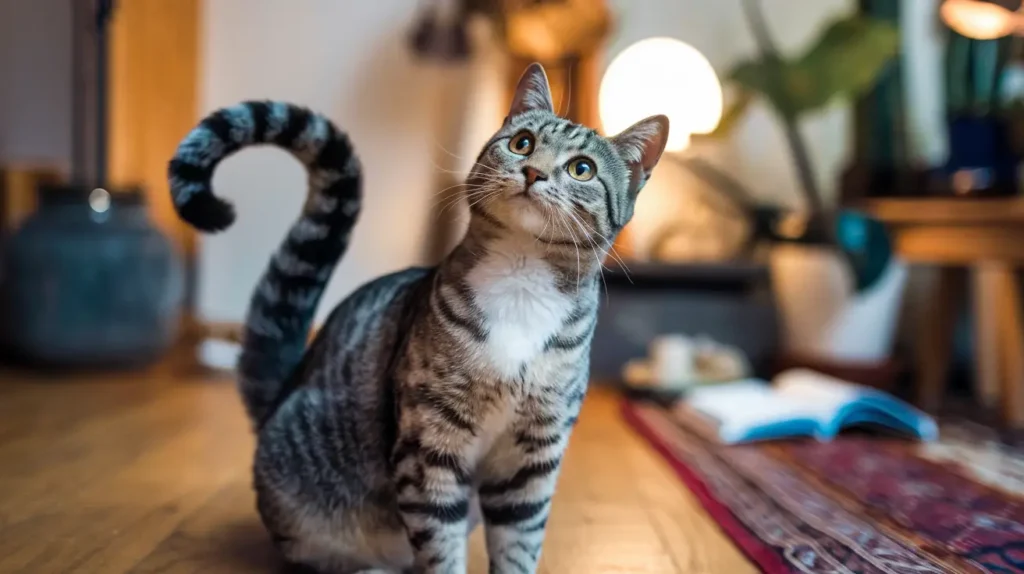
Cats have long captivated human imagination with their enigmatic behaviors and mysterious charm. As independent and curious creatures, their actions often leave pet owners puzzled. Understanding cat behavior requires delving into the natural instincts and evolutionary history that shape these fascinating animals. In this article, we will explore the nuances of feline behavior, uncovering the secrets behind their curiosity and providing insights into how we can better connect with our feline companions.
The Origins of Feline Behavior
To comprehend the behaviors of domestic cats, it is essential to reflect on their origins. Cats, known scientifically as Felis catus, are descendants of wildcats that roamed the Middle East around 10,000 years ago. These early cats were solitary hunters, relying on their keen senses and agility to catch prey. Over time, as humans settled and began to store surplus grain, rodents became a problem, attracting wildcats to human settlements. This mutually beneficial relationship led to the domestication of cats.
Despite thousands of years of domestication, modern cats retain many of the instincts and behaviors of their wild ancestors. These instincts are crucial to understanding why cats behave the way they do and how their curiosity is a fundamental aspect of their survival.
Understanding Cat Curiosity
Curiosity is one of the defining characteristics of cats. Their innate desire to explore their environment is both a survival mechanism and a source of mental stimulation. This curiosity is driven by a combination of factors, including their acute senses, territorial nature, and hunting instincts.
Sensory Exploration
Cats possess highly developed senses that contribute to their curious nature. Their vision, particularly in low light, is superior to that of humans, allowing them to detect movement and changes in their environment. Their acute hearing helps them pick up high-frequency sounds that are inaudible to us, such as the scurrying of a mouse. Additionally, their sense of smell is significantly more sensitive than ours, enabling them to detect subtle scents and pheromones.
This heightened sensory perception encourages cats to investigate their surroundings continually. They are naturally drawn to new sights, sounds, and smells, which can explain their fascination with boxes, bags, and even the smallest changes in their environment.
Territorial Instincts
Cats are inherently territorial animals. In the wild, they establish and defend territories that provide them with access to resources such as food, water, and shelter. This territorial behavior is deeply ingrained in domestic cats and greatly influences their interactions with their environment.
When a cat investigates a new area or object, it is not merely acting out of curiosity but is also assessing whether this new element poses a threat or offers potential benefits. Cats use scent marking, rubbing their scent glands against objects, to claim territory and communicate with other cats. This behavior is a natural extension of their curiosity and territorial instincts.
Hunting Instincts
Despite being well-fed and cared for, domestic cats retain their hunting instincts. This natural inclination to stalk, pounce, and capture prey is a significant driver of their curiosity. Cats engage in play behaviors that mimic hunting, such as batting at toys or chasing after moving objects. These activities are not only enjoyable for cats but also serve as an outlet for their predatory instincts.
By providing opportunities for play and exploration, cat owners can satisfy their pet’s hunting instincts and encourage healthy mental and physical stimulation. Toys, interactive games, and puzzle feeders can help channel a cat’s curiosity into positive and rewarding experiences.
Common Feline Behaviors and Their Meanings
Understanding the common behaviors exhibited by cats can provide valuable insights into their emotions and needs. Here are some typical feline behaviors and what they might mean:
Purring
Purring is one of the most recognizable cat behaviors, often associated with contentment and relaxation. While cats do purr when they are happy, they also purr when they are in pain or stressed as a self-soothing mechanism. Observing the context in which a cat purrs can help determine its emotional state.
Kneading
Cats knead by pushing their paws alternately against a soft surface. This behavior, reminiscent of a kitten kneading its mother’s belly to stimulate milk flow, is a sign of comfort and security. Adult cats may knead when they are relaxed and content.
Scratching
Scratching is a natural behavior that serves multiple purposes. It helps cats shed the outer layers of their claws, mark territory with scent glands in their paws, and stretch their muscles. Providing appropriate scratching posts can help redirect this behavior away from furniture and other household items.
Tail Language
A cat’s tail can convey a wealth of information about its mood. A relaxed, gently swaying tail indicates contentment, while an upright tail with a curve at the end signifies friendliness. A puffed-up tail, however, suggests fear or aggression.
Hiding
Cats may hide when they feel threatened or stressed. Providing safe hiding spots, such as cozy beds or covered boxes, can offer cats a sense of security and help reduce anxiety.
Strengthening the Bond with Your Cat
Building a strong bond with your cat involves understanding and respecting its behavior and needs. Here are some tips to help deepen the connection with your feline companion:
Respect Personal Space
Cats value their personal space and may become stressed if this is invaded. Allow your cat to approach you on its terms, and avoid forcing interactions. Providing quiet, comfortable areas where your cat can retreat will help it feel secure.
Engage in Interactive Play
Regular interactive play sessions can strengthen the bond between you and your cat. Use toys that mimic the movement of prey, such as feather wands or laser pointers, to engage your cat’s hunting instincts. Playtime provides mental stimulation and allows your cat to expend energy in a positive way.
Provide Enrichment
Enriching your cat’s environment can prevent boredom and reduce stress. Offer a variety of toys, scratching posts, and climbing structures to keep your cat engaged. Puzzle feeders and treat-dispensing toys can also stimulate your cat’s mind and provide a rewarding experience.
Observe Body Language
Paying attention to your cat’s body language can help you understand its emotions and needs. Learn to recognize signs of stress, fear, or aggression, and respond accordingly. By acknowledging and respecting your cat’s signals, you can create a more harmonious relationship.
Maintain a Routine
Cats thrive on routine and predictability. Establish a consistent schedule for feeding, playtime, and grooming to provide a sense of stability. This routine can help reduce anxiety and make your cat feel more secure in its environment.
Conclusion
Unlocking the secrets of feline curiosity and behavior is a rewarding journey that can enhance the bond between cats and their human companions. By understanding the instincts and motivations behind their actions, we can create an environment that fulfills their needs and encourages positive interactions. As we continue to explore the fascinating world of cat behavior, we gain a deeper appreciation for these enigmatic creatures and the unique companionship they offer. Embracing their curiosity is not only a key to understanding them but also a pathway to enriching our lives with their presence.


