
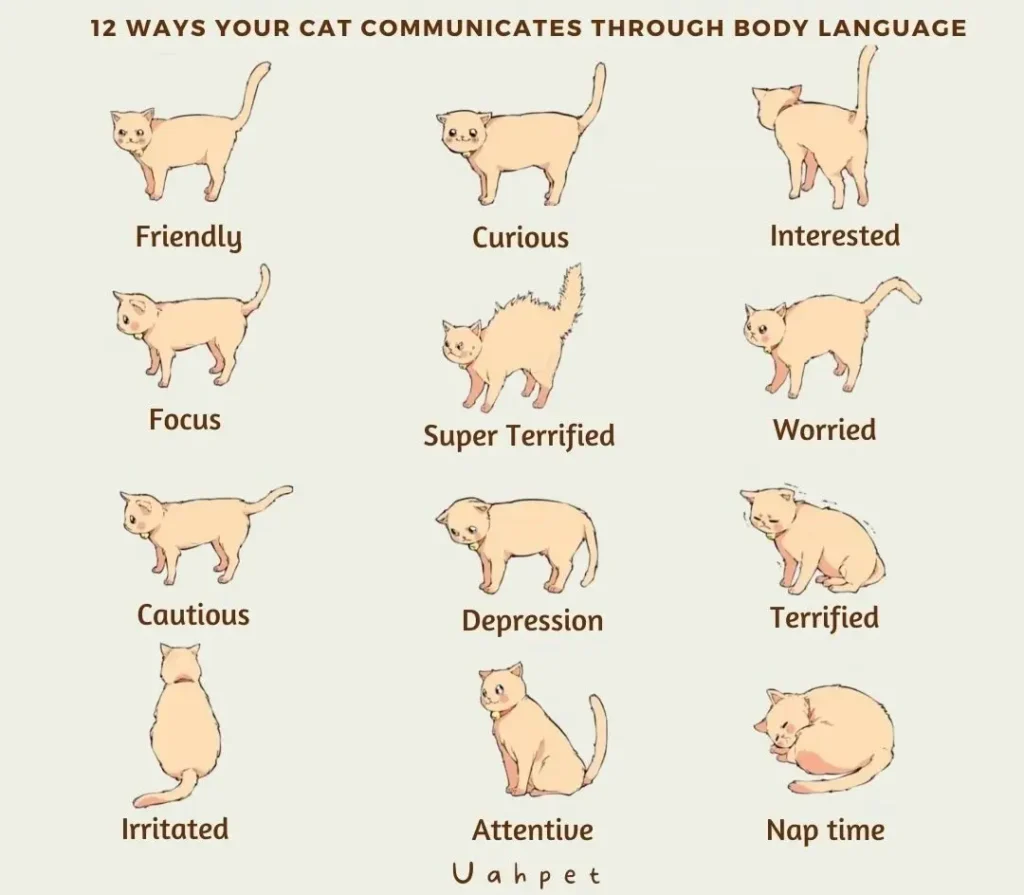
Decoding feline signals remains a fascinating and essential aspect of understanding and cohabiting with cats. Cats, known for their mysterious and sometimes aloof nature, communicate primarily through body language. Gaining insights into these non-verbal cues can significantly enhance the bond between you and your feline companion. In this article, we will explore the nuances of cat body language, helping you become proficient in interpreting their signals.
The Basics of Cat Body Language
Before diving into specific signals, it’s crucial to understand the basics of cat body language. Cats use a combination of posture, tail position, ear orientation, and facial expressions to convey their feelings and intentions. Recognizing these subtle cues can provide you with a clearer understanding of your cat’s emotions, whether they feel relaxed, threatened, or playful.
Posture
A cat’s posture can reveal a lot about their state of mind. A relaxed and confident cat will often lie down with their belly exposed, indicating trust and comfort. In contrast, a cat that feels threatened may arch their back, puff out their fur, and stand sideways to appear larger and more intimidating.
Tail Position
The tail is a powerful communication tool for cats. A tail held high often signifies confidence and contentment, while a low or tucked tail may indicate fear or submission. A flicking or twitching tail can signal irritation or excitement, depending on the context.
Ear Orientation
Cat ears are highly expressive and can provide valuable insights into their mood. Forward-facing ears typically suggest curiosity or contentment, while flattened ears may indicate fear, aggression, or irritation. Swiveling ears can signal that a cat is attentive and alert to their surroundings.
Facial Expressions
Though subtle, a cat’s facial expressions can reveal their emotional state. Slow blinking is often a sign of affection and trust, whereas wide eyes with dilated pupils can indicate fear or excitement. A cat’s whiskers also play a role in communication; whiskers pushed forward can show interest, while whiskers pulled back may signal anxiety.
Interpreting Specific Feline Signals
With a foundational understanding of basic body language, we can delve into specific signals and their interpretations. Recognizing these signals can help in responding appropriately to your cat’s needs and emotions.
Greeting Rituals
Cats have unique ways of greeting their human companions. A cat approaching you with their tail held high is generally expressing friendliness and a desire for interaction. Head bunting, where a cat gently nudges you with their head, is a sign of affection and marking you with their scent. If a cat greets you with a slow blink, it’s akin to a feline kiss, indicating trust and affection.
Playfulness and Excitement
Understanding a cat’s playful signals can enhance your interactions with them. Playful cats often exhibit a crouched posture with their rear end slightly raised, ready to pounce. Their tail may twitch or quiver with excitement. Vocalizations, like chirps or trills, can also accompany a playful mood. Engaging in play with your cat during these moments can strengthen your bond.
Signs of Stress or Anxiety
Recognizing signs of stress or anxiety in cats is vital for their well-being. A cat experiencing stress may exhibit a hunched posture, with their ears flattened and tail tucked close to their body. Excessive grooming or hiding can also indicate anxiety. If you notice these behaviors, it’s important to assess the environment and try to identify potential stressors.
Aggression Indicators
Aggression in cats can stem from fear, territorial disputes, or redirected aggression. Key indicators include a stiffened body, dilated pupils, and hissing or growling. The tail may be puffed up and held low, and the ears flattened against the head. Recognizing these signs early can prevent escalation and allow you to address the underlying cause.
Enhancing Communication with Your Cat
Effective communication with your cat involves more than just recognizing their signals; it’s about responding appropriately to their needs and emotions. Here are some tips to enhance your communication with your feline companion:
Respect Their Space
Cats are independent creatures who value their personal space. If a cat displays signs of discomfort or stress, give them space and time to calm down. Forcing interactions can lead to increased anxiety or aggression.
Engage in Positive Interactions
Engaging in positive interactions, such as playtime or gentle petting, can strengthen the bond between you and your cat. Pay attention to their body language and adjust your interactions accordingly. Cats have varying preferences for play and affection, so observing their responses is key.
Create a Safe Environment
A safe and enriched environment contributes to a cat’s overall well-being. Provide your cat with hiding spots, vertical spaces, and interactive toys to reduce stress and encourage natural behaviors. A well-stimulated cat is often a happy and content cat.
Regular Health Checks
Regular veterinary check-ups are essential for maintaining your cat’s health and well-being. Health issues can sometimes manifest as changes in behavior or body language. By ensuring your cat is in good health, you can better interpret their signals as they relate to their emotional state.
Conclusion
Mastering cat body language is an ongoing process that requires patience, observation, and empathy. By becoming attuned to the subtle cues your cat provides, you can enhance your communication and strengthen the bond you share. Understanding and respecting your cat’s signals will lead to a more harmonious relationship, ensuring a happier and healthier life for your feline friend.


