
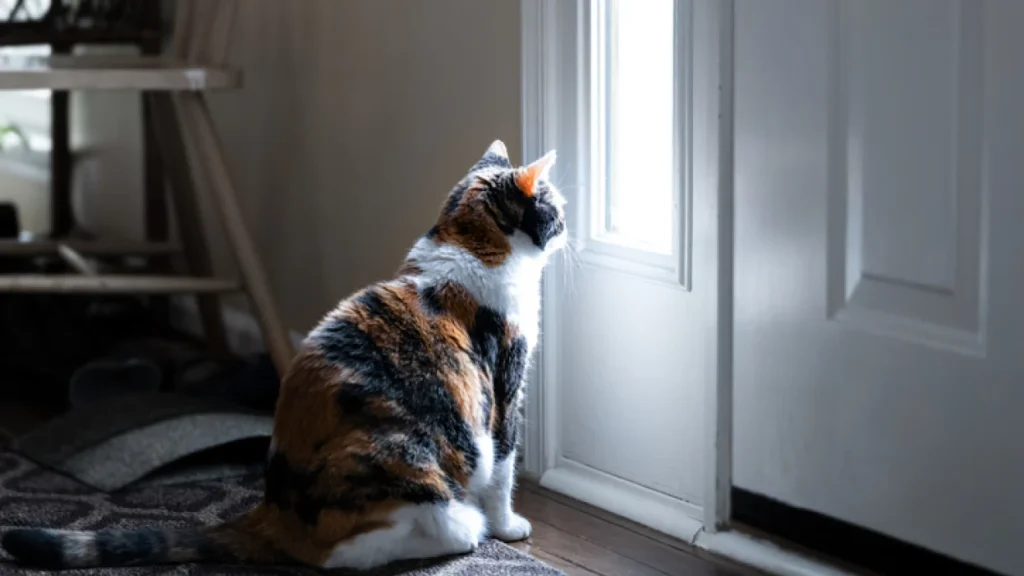
Cats are often perceived as independent creatures, but they can still experience separation anxiety. This condition is a psychological and physiological response that occurs when a cat becomes distressed due to its owner’s absence. Understanding the symptoms and triggers of separation anxiety is crucial for implementing effective solutions.
Recognizing the Signs
Cats with separation anxiety may display various behaviors that indicate their distress when left alone. Common signs include excessive vocalization, destructive behavior, inappropriate urination or defecation, and over-grooming. Some cats may also follow their owners from room to room, showing reluctance to be separated even for short periods.
Identifying Triggers
Triggers for separation anxiety in cats can vary. It may stem from a change in routine, such as a new job that requires more time away from home, or moving to a new environment. Cats that have experienced past trauma or have been re-homed multiple times may also be more susceptible to anxiety.
Creating a Safe and Stimulating Environment
One of the most effective ways to alleviate separation anxiety in cats is by creating an environment that offers comfort and stimulation. This can help reduce their stress levels and keep them engaged during their owner’s absence.
Providing Comfort
Ensure your cat has a cozy and quiet space where they can retreat. This can be a dedicated corner with a comfortable bed, blankets, and some of their favorite toys. Familiar scents, such as items that carry the owner’s smell, can also provide reassurance.
Ensuring Mental Stimulation
Mental stimulation is essential for keeping a cat occupied and reducing anxiety. Interactive toys, puzzle feeders, and cat trees can provide entertainment and encourage physical activity. Rotating toys and introducing new items periodically can also prevent boredom.
Establishing a Routine
Cats thrive on routine, and establishing a consistent schedule can help manage separation anxiety. Regular feeding times, play sessions, and other daily activities provide predictability, which can be comforting to an anxious cat.
Gradual Departures and Arrivals
Practice gradual departures to desensitize your cat to your absence. Start by leaving for short periods and gradually increase the duration. Similarly, keep arrivals and departures low-key to avoid heightening your cat’s anxiety.
Consistent Interaction
Spend quality time with your cat when you are home. Engage in interactive play, grooming, or simply sitting together. Consistent interaction helps reinforce the bond between you and your cat, reducing their anxiety when you are away.
Using Behavior Modification Techniques
Behavior modification techniques can be highly effective in addressing separation anxiety. These strategies focus on changing the cat’s emotional response to being alone.
Positive Reinforcement
Use positive reinforcement to encourage desirable behaviors when you are leaving or arriving home. Treats, praise, or petting can be used to reward calm behavior, helping your cat associate your absence with positive experiences.
Counter-Conditioning
Counter-conditioning involves changing your cat’s negative association with being alone. Start by associating your departure cues (e.g., picking up keys) with positive outcomes, like treats or a favorite toy. Over time, your cat will begin to associate these cues with positive experiences rather than anxiety.
Seeking Professional Help
In some cases, professional intervention may be necessary to address severe separation anxiety. Consulting with a veterinarian or a certified animal behaviorist can provide valuable insights and tailored solutions.
Veterinary Consultation
A veterinarian can rule out any underlying medical issues that may be contributing to your cat’s anxiety. They may also recommend medications or supplements that can help manage anxiety symptoms.
Behavioral Therapy
A certified animal behaviorist can work with you and your cat to develop a personalized behavior modification plan. They can identify triggers, suggest environmental changes, and guide you through the process of implementing effective strategies.
Utilizing Calming Products
Calming products can be a helpful addition to your strategy for managing separation anxiety. These products are designed to reduce stress and promote relaxation in cats.
Pheromone Diffusers
Pheromone diffusers release synthetic versions of calming pheromones, which can create a sense of security for your cat. These diffusers are easy to use and can be placed in areas where your cat spends the most time.
Calming Supplements
There are various calming supplements available that contain natural ingredients known to reduce anxiety. These can include amino acids, vitamins, and herbal extracts. Always consult with your veterinarian before introducing any new supplements to your cat’s diet.
Conclusion
Managing cat separation anxiety requires a multifaceted approach that combines environmental enrichment, behavior modification, and, when necessary, professional assistance. By understanding your cat’s needs and implementing these effective solutions, you can help alleviate their anxiety and improve their overall well-being. Remember, patience and consistency are key to achieving positive results.


