
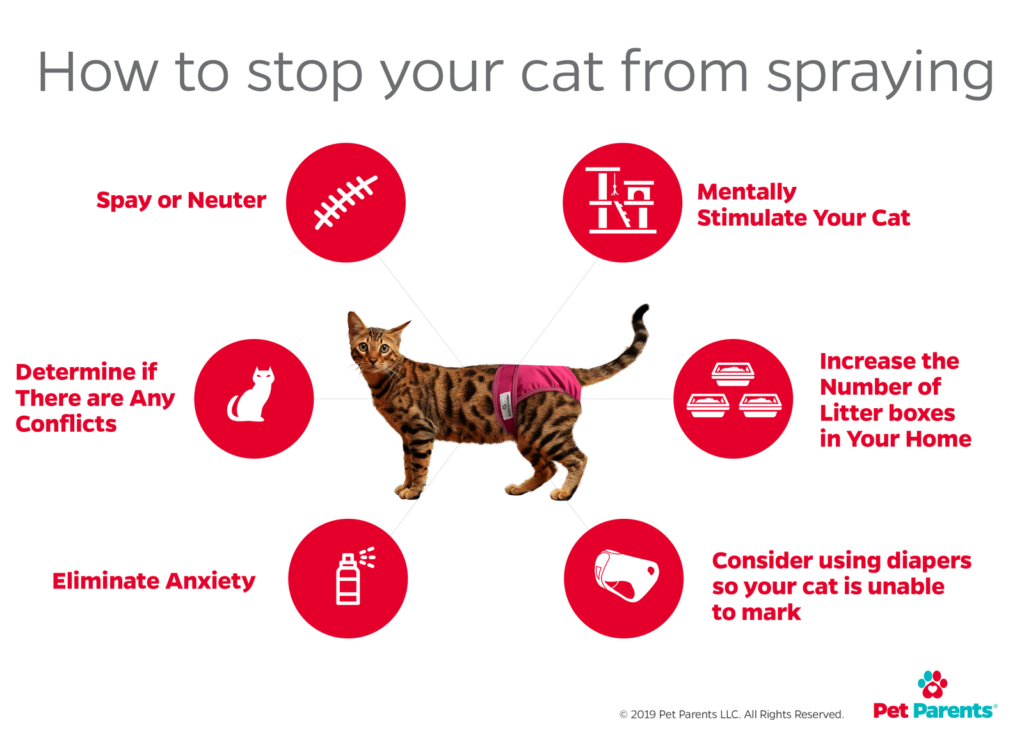
Cat spraying, or urine marking, is a common behavior problem encountered by many cat owners. Unlike regular urination, spraying involves a cat standing with its tail upright, often quivering, and releasing a small amount of urine onto vertical surfaces. This behavior can be frustrating and sometimes puzzling for pet owners. Understanding the reasons behind spraying is the first step toward addressing the issue effectively.
Spraying is a natural behavior for cats and can be influenced by various factors, including territorial instincts, stress, and social interactions. Both male and female cats can spray, although it is more common in unneutered males. By comprehending the underlying causes of spraying, pet owners can implement strategies to mitigate this behavior.
Identifying the Triggers for Cat Spraying
Before implementing solutions, it is crucial to identify the triggers for your cat’s spraying behavior. Triggers can vary widely, but some common ones include:
1. **Territorial Marking:** Cats are territorial animals, and spraying is one method they use to establish and maintain their territory. The presence of other cats, whether inside or outside the home, can prompt a cat to spray.
2. **Stress and Anxiety:** Changes in the household, such as moving to a new home, introducing a new pet, or alterations in the family dynamic, can lead to stress-induced spraying.
3. **Mating Behavior:** Unneutered male cats often spray to attract females and assert dominance. Female cats in heat can also spray to signal their availability.
4. **Medical Issues:** Sometimes, spraying can be a sign of an underlying medical problem, such as urinary tract infections or bladder issues. It’s essential to rule out medical causes with a veterinarian before addressing behavioral aspects.
Immediate Solutions to Stop Cat Spraying
Once you have identified the potential triggers, you can explore immediate solutions to stop cat spraying:
1. Neutering or Spaying Your Cat
One of the most effective ways to prevent spraying, especially in male cats, is to have them neutered. Neutering reduces the levels of hormones that drive spraying behavior and can eliminate the problem in up to 90% of cases. Female cats can also benefit from being spayed, as it reduces their inclination to spray during heat cycles.
2. Clean Sprayed Areas Thoroughly
Cats are more likely to spray in the same spot if it still carries the scent of urine. Thoroughly clean sprayed areas with an enzymatic cleaner designed to break down urine odors. Avoid using ammonia-based cleaners, as they can mimic the scent of urine and encourage further spraying.
3. Provide Ample Resources
Ensure your cat has access to enough resources, such as litter boxes, food bowls, and resting spots. In multi-cat households, provide multiple litter boxes and feeding stations to minimize competition and stress.
4. Use Synthetic Pheromones
Synthetic feline pheromone products, such as Feliway, can help reduce stress and discourage spraying. These products mimic natural cat pheromones that promote a sense of security and calmness, reducing the need for territorial marking.
5. Block Visual Access to Outdoor Cats
If your cat is spraying due to the presence of other cats outside, try blocking their view by closing blinds or using frosted window films. You can also set up deterrents outside your home to discourage stray cats from approaching.
Long-Term Strategies to Prevent Cat Spraying
While immediate solutions can be effective, adopting long-term strategies can help prevent future spraying incidents:
1. Enhance Environmental Enrichment
Boredom and lack of stimulation can contribute to stress and spraying. Provide your cat with interactive toys, scratching posts, and climbing structures to keep them mentally and physically engaged. Regular playtime can also strengthen the bond between you and your cat, reducing stress-related behaviors.
2. Maintain a Consistent Routine
Cats thrive on routine, and sudden changes can lead to stress. Try to maintain a consistent schedule for feeding, playtime, and litter box cleaning. Consistency helps create a stable environment, reducing the likelihood of spraying.
3. Address Inter-cat Conflicts
In multi-cat households, conflicts between cats can trigger spraying. Observe your cats’ interactions and intervene if necessary. Providing separate spaces, feeding areas, and litter boxes can help reduce tension. If conflicts persist, consult a professional animal behaviorist for guidance.
4. Gradual Introductions for New Pets
When introducing a new pet to the household, take a gradual approach. Allow your cat to get used to the new pet’s scent before any face-to-face meetings. Use positive reinforcement to reward calm behavior during introductions.
Consulting a Professional
If your cat continues to spray despite trying various solutions, it may be beneficial to consult a professional. Veterinary behaviorists or certified animal behaviorists can provide tailored guidance and develop a comprehensive behavior modification plan. They can also help identify any underlying medical issues that may be contributing to the spraying behavior.
Conclusion
Dealing with cat spraying can be challenging, but with a combination of immediate solutions and long-term strategies, it is possible to address and even prevent this behavior. Understanding the underlying causes, providing a stress-free environment, and seeking professional help when necessary are crucial steps in ensuring a harmonious relationship with your feline companion. By taking these measures, you can create a home environment that meets your cat’s needs while keeping your living space clean and odor-free.


