Welcoming a new kitten into your home is an exciting experience, but it also comes with the responsibility of ensuring they grow up healthy and strong. Proper nutrition is critical during the early stages of a kitten’s life, as it lays the foundation for their overall well-being and longevity. This guide delves into the essential nutritional needs of kittens to help pet owners provide the best possible start for their feline companions.
Understanding Kitten Nutritional Needs
Kittens have unique nutritional requirements that differ significantly from adult cats. Their rapid growth and development phases demand a diet rich in specific nutrients that support bone development, muscle growth, and immune system strengthening. Understanding these needs is crucial for selecting the right food and supplements.
Protein: The Building Block
Protein is the cornerstone of a kitten’s diet, as it plays an essential role in the development of tissues, muscles, and organs. Kittens require more protein than adult cats to support their growth spurts. Look for high-quality animal-based proteins like chicken, turkey, or fish, which provide the essential amino acids that kittens need.
Fats: Concentrated Energy Source
Fats provide a concentrated source of energy necessary for a kitten’s active lifestyle. They are also vital for the absorption of fat-soluble vitamins and the development of the nervous system. Omega-3 and Omega-6 fatty acids, in particular, are crucial for maintaining healthy skin and a shiny coat.
Carbohydrates: A Balanced Approach
While not as critical as proteins and fats, carbohydrates still play an important role in a balanced kitten diet. They offer a source of energy and help with gastrointestinal health. However, it’s essential to ensure carbohydrates are provided in moderation, as excessive amounts can lead to weight gain.
Vitamins and Minerals: Essential Micronutrients
Kittens need a variety of vitamins and minerals to support their growth and development. These micronutrients are involved in numerous physiological processes, including bone formation, immune function, and nerve transmission.
Calcium and Phosphorus
Calcium and phosphorus are vital for the development of strong bones and teeth. An imbalance in these minerals can lead to skeletal deformities and other health issues. Ensuring that your kitten’s diet provides the correct ratio is crucial for optimal growth.
Vitamins A, D, and E
– **Vitamin A**: Essential for vision, growth, and immune function. It supports skin health and cell growth.
– **Vitamin D**: Important for calcium absorption and bone health.
– **Vitamin E**: Acts as an antioxidant, protecting cells from damage and supporting the immune system.
Trace Minerals
Zinc, iron, and selenium are examples of trace minerals that, although required in smaller amounts, are essential for maintaining various bodily functions and promoting overall health.
Choosing the Right Kitten Food
Selecting the appropriate food is one of the most critical decisions a pet owner can make. The market offers a wide array of options, including dry kibble, wet food, and raw diets. Each has its advantages and considerations.
Dry Kibble
Dry kibble is convenient and helps in maintaining dental health by reducing plaque buildup. However, it is essential to choose a high-quality brand that offers a complete and balanced diet specifically formulated for kittens.
Wet Food
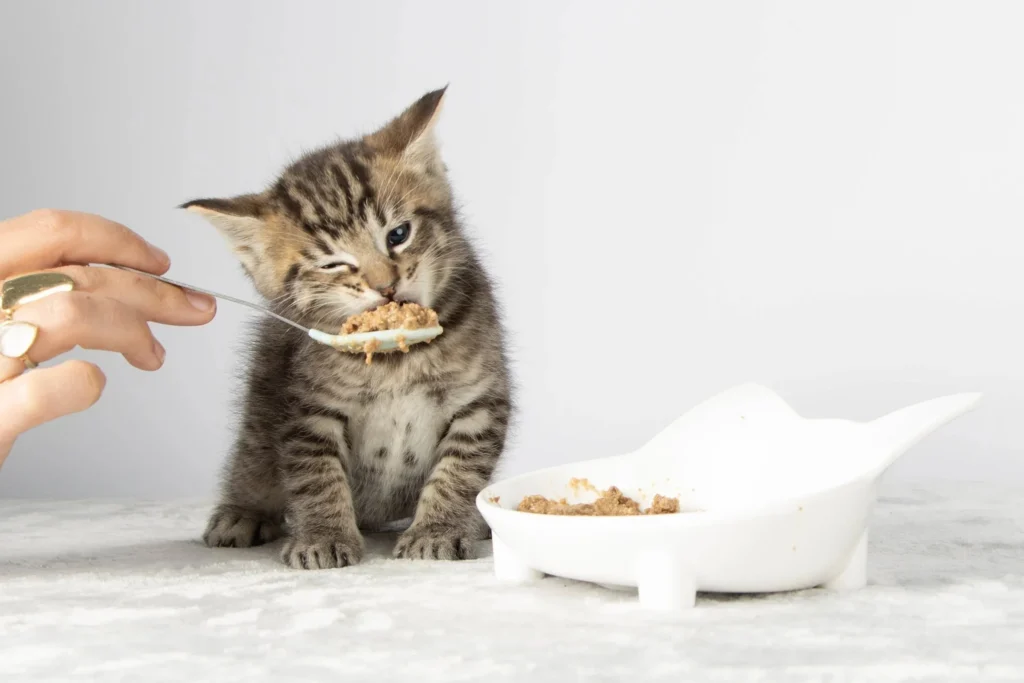
Wet food provides higher moisture content, which is beneficial for urinary tract health. It is often more palatable for kittens, making it an excellent choice for picky eaters. Ensure that the wet food is nutritionally complete and balanced.
Raw Diets
Raw diets are becoming increasingly popular, offering a natural and unprocessed option. However, they require careful planning to ensure nutritional adequacy and involve a greater risk of bacterial contamination. Consulting with a veterinarian before opting for a raw diet is advisable.
Feeding Guidelines and Schedules
Establishing a consistent feeding schedule is vital for a kitten’s growth and development. Unlike adult cats, kittens require more frequent feeding due to their smaller stomachs and higher energy requirements.
Frequency and Portion Sizes
– **0-3 months**: Feed small, frequent meals throughout the day (4-5 times a day).
– **3-6 months**: Gradually reduce to 3 meals per day.
– **6-12 months**: Transition to 2 meals per day as they approach adulthood.
Monitor your kitten’s weight and adjust portion sizes accordingly. Overfeeding can lead to obesity, while underfeeding can result in nutrient deficiencies.
Transitioning to Adult Food
Kittens should be transitioned to adult cat food around their first birthday. This transition should be gradual, mixing the new food with the old to avoid digestive upset.
Supplements: Are They Necessary?
In most cases, a balanced commercial kitten food will provide all the necessary nutrients. However, there are situations where supplements might be beneficial, such as:
– **Omega-3 fatty acids**: For skin and coat health.
– **Probiotics**: To promote healthy digestion.
– **Taurine**: An essential amino acid for heart and eye health.
Always consult with a veterinarian before introducing supplements to ensure they are appropriate and necessary for your kitten.
Common Feeding Mistakes to Avoid
Understanding common mistakes can help in preventing nutritional imbalances and health issues.
Feeding Dog Food
Dog food lacks essential nutrients that cats need, such as taurine. Feeding a kitten dog food can lead to serious health problems.
Inadequate Hydration
Kittens need access to fresh water at all times. Monitor their water intake, especially if they primarily eat dry kibble.
Overfeeding Treats
While treats can be a great tool for training, they should not make up more than 10% of a kitten’s daily caloric intake to prevent obesity.
Consulting a Veterinarian
Regular check-ups with a veterinarian are crucial to monitor your kitten’s growth and to address any nutritional concerns. A vet can provide personalized dietary recommendations based on your kitten’s specific health needs.
Conclusion
Providing proper nutrition to a growing kitten is a rewarding responsibility that ensures they lead a healthy, happy life. By understanding their unique dietary requirements, selecting the right food, and avoiding common mistakes, pet owners can support their kittens in reaching their full potential. Remember, when in doubt, consult with a veterinarian to help guide you in making the best nutritional choices for your feline friend.