
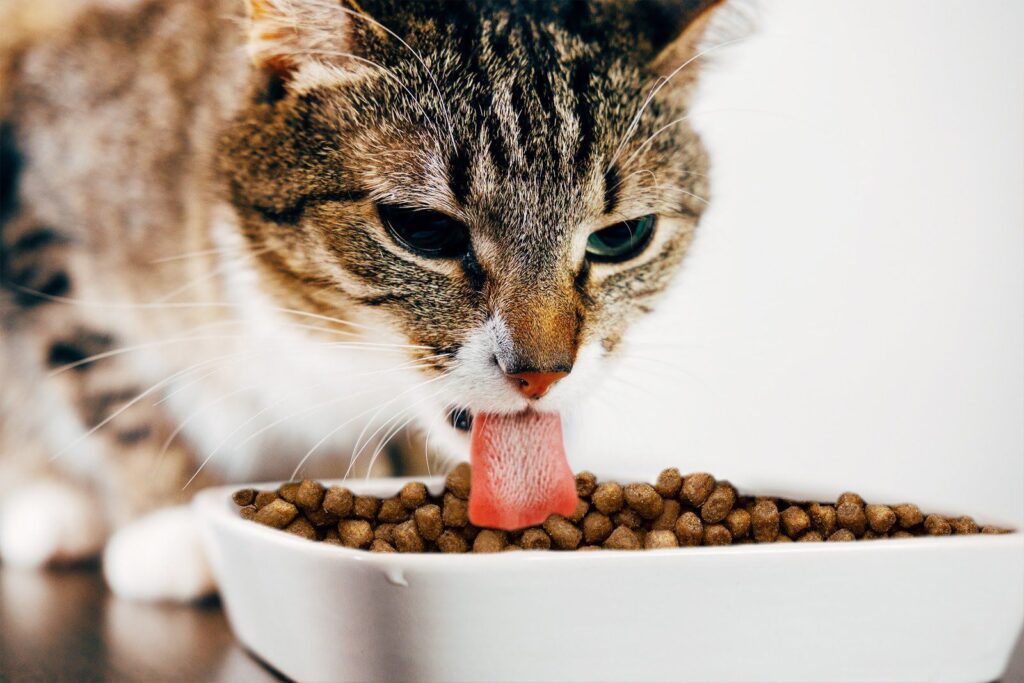
Cats are treasured companions in many households, revered for their independent yet affectionate nature. As a responsible cat owner, ensuring your feline friend’s optimal health is paramount. One of the key components of maintaining a cat’s well-being is establishing an ideal feeding schedule. This article will explore the benefits of a structured feeding routine, various feeding schedule options, and tips to optimize your cat’s health through diet.
Importance of a Feeding Schedule
Just like humans, cats thrive on routine. A regular feeding schedule not only supports physical health but also stabilizes their mental and emotional well-being. Establishing a consistent feeding routine helps regulate your cat’s metabolism, manage weight, and prevent overeating—common issues that can lead to obesity and other health problems.
Metabolic Regulation
Consistent feeding times help regulate your cat’s internal clock and metabolism. When fed at the same times daily, cats can anticipate their meals, leading to better digestion and nutrient absorption. This regularity can prevent metabolic disorders and maintain energy levels throughout the day.
Weight Management
Obesity in cats is a significant health concern, leading to issues such as diabetes, arthritis, and heart disease. A structured feeding schedule helps control portion sizes, making it easier to monitor your cat’s calorie intake and maintain a healthy weight. Timed meals discourage grazing, reducing the risk of your cat consuming excessive calories.
Behavioral Benefits
Feeding schedules can also positively affect your cat’s behavior. Predictable routines reduce anxiety and stress, as cats know when to expect their next meal. This predictability can minimize food-related aggression and begging behaviors, contributing to a more harmonious household.
Determining the Ideal Feeding Schedule
The ideal feeding schedule for your cat depends on several factors, including age, health status, and lifestyle. Below are common feeding schedule models to consider:
Free Feeding
Free feeding involves leaving food out all day for your cat to eat at their leisure. This method is convenient but can lead to overeating and obesity if not managed carefully. It is best suited for cats that are good at self-regulating their food intake. To prevent spoilage, use dry food for free feeding and ensure fresh, clean water is always available.
Portion-Controlled Meals
Portion-controlled meals involve providing specific amounts of food at designated times. This method allows you to monitor your cat’s food intake closely and is ideal for weight management. Typically, adult cats benefit from two to three meals per day, while kittens may require more frequent feedings due to their higher energy needs.
Combination Feeding
Combination feeding combines aspects of free feeding and portion-controlled meals. Cats receive two portion-controlled meals per day plus access to a limited amount of dry food for grazing. This approach offers the benefits of both methods, providing structure and flexibility.
Optimal Feeding Times
Choosing optimal feeding times can enhance the effectiveness of your cat’s feeding schedule. Cats are crepuscular by nature, meaning they are most active during dawn and dusk. Aligning mealtimes with these periods can maximize your cat’s natural activity patterns.
Morning Meal
Offering a meal in the morning aligns with your cat’s natural hunting instincts. This meal provides the energy needed for daytime activities and can be part of your morning routine, ensuring consistency.
Evening Meal
Feeding your cat in the evening caters to their dusk activity phase, providing the energy required for nighttime exploration. An evening meal can also serve as a bonding experience, allowing you to spend quality time with your pet after a busy day.
Adjusting the Schedule Based on Life Stages
Your cat’s nutritional needs and feeding schedule may vary based on their life stage. Here’s how to adjust the feeding schedule accordingly:
Kittens (Up to 1 Year)
Kittens have high energy requirements and rapid growth rates, necessitating frequent, small meals throughout the day. Aim for four to six meals daily to support their development. Gradually reduce the number of meals as they approach adulthood.
Adult Cats (1-7 Years)
Adult cats typically require two to three meals per day, depending on their activity level and health. Ensure a balanced diet with appropriate portion sizes to maintain an ideal weight and prevent health issues.
Senior Cats (7+ Years)
Senior cats may have decreased activity levels and metabolic rates, requiring adjustments in their diet and feeding schedule. Smaller, more frequent meals can aid digestion and accommodate any dental issues. Consult your veterinarian for dietary recommendations tailored to your senior cat’s needs.
Considerations for Special Health Needs
Cats with specific health conditions may require tailored feeding schedules. Always consult your veterinarian for guidance on managing feeding times for cats with health issues such as:
Diabetes
Diabetic cats benefit from consistent meal times that align with insulin administration. Work with your vet to create a feeding schedule that stabilizes blood sugar levels and supports overall health.
Kidney Disease
Cats with kidney disease may require a special diet low in phosphorus and protein. Small, frequent meals can reduce the burden on the kidneys and improve nutrient absorption. Your veterinarian can recommend a suitable feeding plan.
Obesity
For overweight cats, a strict portion-controlled feeding schedule is essential. Implement a weight management plan under veterinary supervision, focusing on calorie restriction and exercise.
Tips for Implementing a Feeding Schedule
Transitioning to a new feeding schedule can be challenging, but consistency and patience are key. Here are some tips to ease the process:
Gradual Transition
If your cat is accustomed to free feeding, gradually transition to a portion-controlled schedule. Slowly reduce the amount of food left out and introduce set meal times to avoid stress.
Create a Feeding Environment
Designate a quiet, comfortable space for feeding to minimize distractions. Cats prefer privacy during meals, so avoid high-traffic areas and loud noises.
Monitor and Adjust
Observe your cat’s response to the new schedule and make adjustments as needed. Monitor their weight, behavior, and overall health, and consult your veterinarian if concerns arise.
Use Puzzle Feeders
Engage your cat’s natural hunting instincts by using puzzle feeders. These devices stimulate their mind, slow down eating, and provide enrichment during meal times.
Conclusion
Optimizing your cat’s health through an ideal feeding schedule requires understanding their unique needs and lifestyle. By establishing a consistent routine, you can support their physical and mental well-being, prevent health issues, and strengthen your bond. Remember to consult your veterinarian for personalized advice, especially if your cat has specific health concerns. With a thoughtful approach, you can ensure your feline companion enjoys a long, healthy, and happy life.