
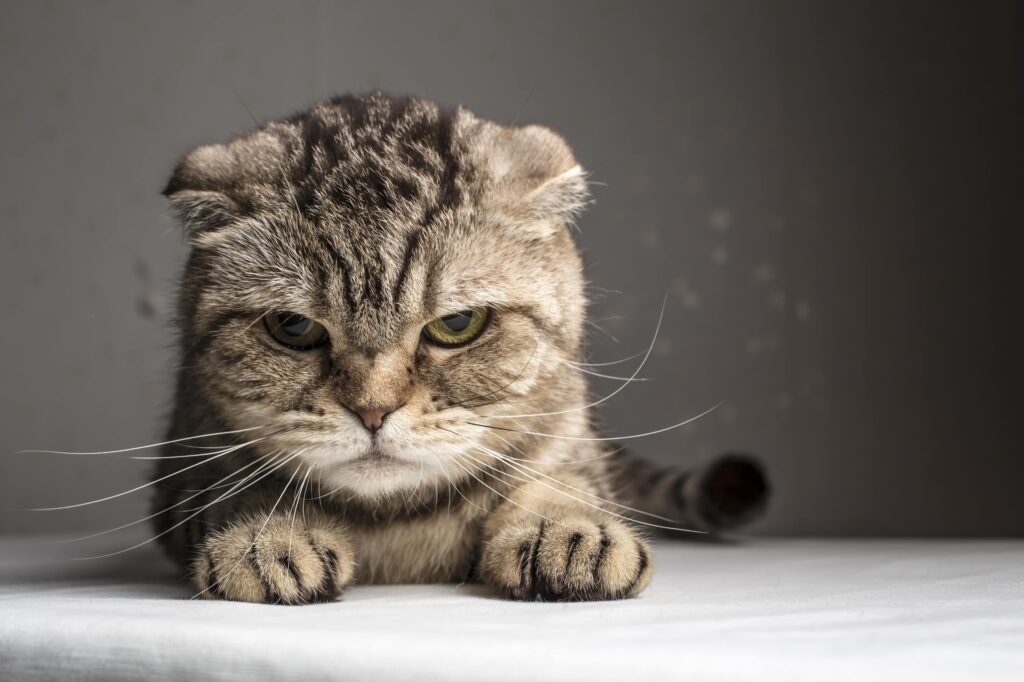
Cats are known for their independence and enigmatic behavior, but they can also experience stress, just like humans. Recognizing the signs of stress in cats is crucial for maintaining their health and well-being. Stress can have a significant impact on a cat’s physical and psychological health, leading to various behavioral issues and even illness. By understanding the essential behaviors to watch for, cat owners can ensure their feline friends remain happy and healthy.
Understanding Cat Stress
Stress in cats can stem from various sources, such as changes in their environment, exposure to unfamiliar animals or people, alterations in their daily routine, or health issues. Unlike humans, who can express their stress verbally, cats communicate their stress through body language and behavior. Recognizing these signs early can prevent stress from escalating into more severe problems.
Essential Behaviors to Watch
Changes in Appetite
One of the most noticeable signs of stress in cats is a change in appetite. A stressed cat may either refuse to eat or overeat, leading to sudden weight loss or gain. If a cat consistently ignores its food or displays an insatiable appetite, it may be experiencing stress. It’s essential to monitor your cat’s eating habits and consult a veterinarian if you notice significant changes.
Excessive Grooming or Lack of Grooming
Cats are naturally clean animals, but stress can disrupt their grooming habits. A stressed cat might groom excessively, leading to bald spots or irritated skin, a condition known as psychogenic alopecia. Conversely, a cat under stress may neglect grooming altogether, resulting in an unkempt coat. Both behaviors indicate that the cat is experiencing stress and needs attention.
Increased Aggression or Withdrawal
Behavioral changes, such as increased aggression or withdrawal, are common signs of stress in cats. A typically friendly cat may become more aggressive, hissing, swatting, or biting when approached. Alternatively, a cat might withdraw, hiding more frequently and avoiding interaction with humans or other animals. These behaviors suggest that the cat is feeling anxious or threatened and requires a safe and comfortable environment.
Excessive Vocalization
Cats communicate through vocalizations, and an increase in meowing, yowling, or crying can indicate stress. A stressed cat might vocalize more often, especially at night, seeking attention or expressing discomfort. If your cat becomes more vocal than usual, it could be a sign that something is amiss and warrants further investigation.
Changes in Litter Box Habits
Stress can cause cats to alter their litter box habits. A cat might start urinating or defecating outside the litter box, which is often a sign of anxiety or stress. This behavior can be triggered by changes in the household, such as new pets, a move, or even a change in the type of litter used. Ensuring that the litter box is clean and in a quiet, accessible location can help alleviate this stress-inducing behavior.
Pacing or Restlessness
A stressed cat might exhibit pacing or restlessness, appearing unable to settle down. This behavior can be a response to anxiety or discomfort in their environment. Providing a safe, quiet space where the cat can retreat and relax can help reduce stress levels and encourage a sense of security.
Excessive Scratching
While scratching is a natural behavior for cats, excessive scratching can indicate stress. A stressed cat may scratch furniture, carpets, or walls more than usual as a way to cope with anxiety. Providing appropriate scratching posts and surfaces can help redirect this behavior and reduce stress.
Addressing Cat Stress
Once you’ve identified signs of stress in your cat, taking steps to alleviate it is essential. Here are some strategies to help reduce stress in cats:
Create a Safe Environment
Ensure your cat has a safe and secure space where it can retreat when feeling stressed. This space should be quiet, comfortable, and equipped with essentials like a cozy bed, water, and litter box. Reducing loud noises and sudden changes in the cat’s environment can also help minimize stress.
Maintain a Consistent Routine
Cats thrive on routine, and sudden changes can be stressful. Try to keep feeding, playtime, and bedtime consistent to provide a sense of stability. If changes are necessary, introduce them gradually to give your cat time to adjust.
Provide Enrichment and Stimulation
Boredom can lead to stress in cats, so providing mental and physical stimulation is crucial. Interactive toys, puzzle feeders, and regular play sessions can keep your cat engaged and reduce stress. Additionally, ensure your cat has access to vertical spaces, such as cat trees or shelves, for climbing and exploration.
Use Positive Reinforcement
Positive reinforcement can help reduce stress and encourage desired behaviors. Reward your cat with treats, praise, or affection when it displays calm and relaxed behavior. Avoid scolding or punishing your cat, as this can increase stress and anxiety.
Consult a Veterinarian
If your cat’s stress levels do not improve with environmental changes and behavioral interventions, consult a veterinarian. Stress can sometimes be linked to underlying medical issues, and a professional can help diagnose and address any health concerns. In some cases, medication or behavioral therapy may be recommended to alleviate stress.
Conclusion
Recognizing the signs of stress in cats is essential for ensuring their well-being and happiness. By understanding and identifying the key behaviors that indicate stress, cat owners can take proactive steps to address the underlying causes and create a supportive environment for their feline companions. Through consistent care, positive reinforcement, and professional guidance when necessary, it’s possible to help cats lead stress-free and fulfilling lives.


