
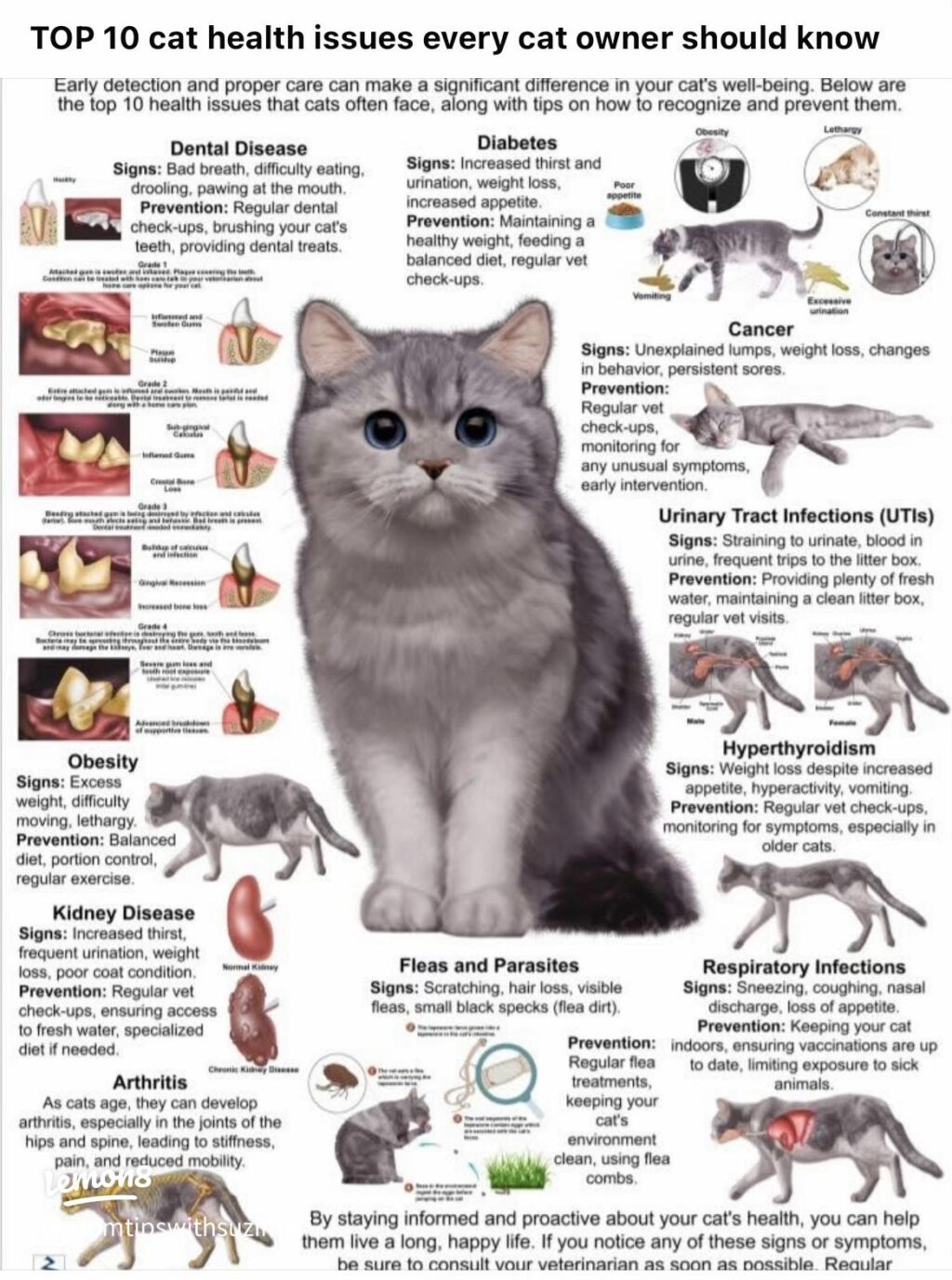
Cats are known for their independence and resilience, but like all animals, they are susceptible to various health issues. As a pet owner, being aware of common cat illnesses can help you detect early signs and seek timely veterinary care. This awareness not only ensures a healthier life for your feline friend but also strengthens the bond you share. In this article, we will explore the top 10 common cat illnesses every pet owner should know about.
1. Feline Lower Urinary Tract Disease (FLUTD)
Feline Lower Urinary Tract Disease (FLUTD) encompasses a variety of conditions affecting the bladder and urethra of cats. Symptoms include difficulty urinating, blood in urine, and frequent urination. Stress, obesity, and a dry food diet are common risk factors. It is crucial to address these symptoms promptly as they can lead to life-threatening urinary blockages.
Prevention and Treatment
Preventing FLUTD involves ensuring your cat has access to fresh water, feeding a balanced diet, and reducing stress. Treatment may include medication, dietary changes, and in severe cases, surgical intervention.
2. Chronic Kidney Disease (CKD)
Chronic Kidney Disease is a prevalent condition in older cats, characterized by the gradual loss of kidney function. Symptoms include increased thirst, frequent urination, weight loss, and lethargy. Early detection through regular veterinary check-ups is vital for managing this condition effectively.
Prevention and Treatment
While CKD is often unavoidable, feeding a high-quality diet and ensuring regular hydration can support kidney health. Treatment focuses on slowing disease progression through dietary management and medications.
3. Hyperthyroidism
Hyperthyroidism is caused by an overproduction of thyroid hormones, commonly due to benign tumors. Symptoms include weight loss despite increased appetite, hyperactivity, and vomiting. This condition is more common in older cats and requires medical attention.
Prevention and Treatment
There is no known prevention, but treatment options include medication, radioactive iodine therapy, or surgery. Early diagnosis is essential for effective management.
4. Diabetes Mellitus
Diabetes Mellitus is a metabolic disorder characterized by the body’s inability to produce or use insulin effectively. Symptoms include increased thirst, urination, and weight loss. Obesity is a significant risk factor for diabetes in cats.
Prevention and Treatment
Maintaining a healthy weight through a balanced diet and regular exercise is crucial for prevention. Treatment involves insulin therapy, dietary changes, and regular monitoring of blood glucose levels.
5. Feline Immunodeficiency Virus (FIV)
Feline Immunodeficiency Virus (FIV) affects a cat’s immune system, making them more susceptible to infections. It is mainly transmitted through bite wounds. Infected cats may not show symptoms for years, but eventually, they may develop recurring infections, weight loss, and fever.
Prevention and Treatment
Preventing FIV involves keeping cats indoors and away from potentially infected animals. While there is no cure, supportive care and regular veterinary visits can help manage symptoms and prolong life.
6. Feline Leukemia Virus (FeLV)
Feline Leukemia Virus (FeLV) is a contagious disease that suppresses the immune system and increases the risk of developing other infections and cancers. Symptoms include weight loss, fever, and swollen lymph nodes.
Prevention and Treatment
Vaccination is the best prevention method. While there is no cure, regular vet check-ups and supportive care can improve quality of life for infected cats.
7. Heartworm Disease
Heartworm disease is less common in cats than in dogs, but it can be severe or fatal. It is caused by parasitic worms transmitted through mosquito bites. Symptoms include coughing, vomiting, and respiratory distress.
Prevention and Treatment
Preventive medications are crucial since treatment options for infected cats are limited. Regular check-ups and monitoring are essential for early detection.
8. Dental Disease
Dental disease is a common issue in cats, often resulting in gingivitis, periodontal disease, and tooth loss. Symptoms include bad breath, difficulty eating, and drooling.
Prevention and Treatment
Regular dental check-ups and cleanings, along with at-home dental care, can prevent dental diseases. Treatment may involve professional cleaning and, in some cases, tooth extractions.
9. Obesity
Obesity is a growing concern among cats and can lead to various health problems, including diabetes, arthritis, and liver disease. It is typically caused by overeating and lack of exercise.
Prevention and Treatment
Preventing obesity involves providing a balanced diet and encouraging regular physical activity. Weight management plans, under veterinary guidance, can help achieve a healthy weight.
10. Upper Respiratory Infections (URIs)
Upper Respiratory Infections are common in cats, especially in shelters or multi-cat households. They are often caused by viruses such as feline herpesvirus or calicivirus. Symptoms include sneezing, nasal discharge, and eye inflammation.
Prevention and Treatment
Vaccination can prevent many URIs. Treatment involves supportive care, fluid therapy, and sometimes antiviral medications.
Conclusion
Understanding these common cat illnesses can help pet owners take proactive measures to ensure their feline companions lead healthy and fulfilling lives. Regular veterinary visits, a balanced diet, and preventive care are fundamental in maintaining your cat’s health. By recognizing the signs and symptoms of these illnesses, you can provide timely care and improve your cat’s quality of life.
#ChatGPT assisted in the creation of this article.