
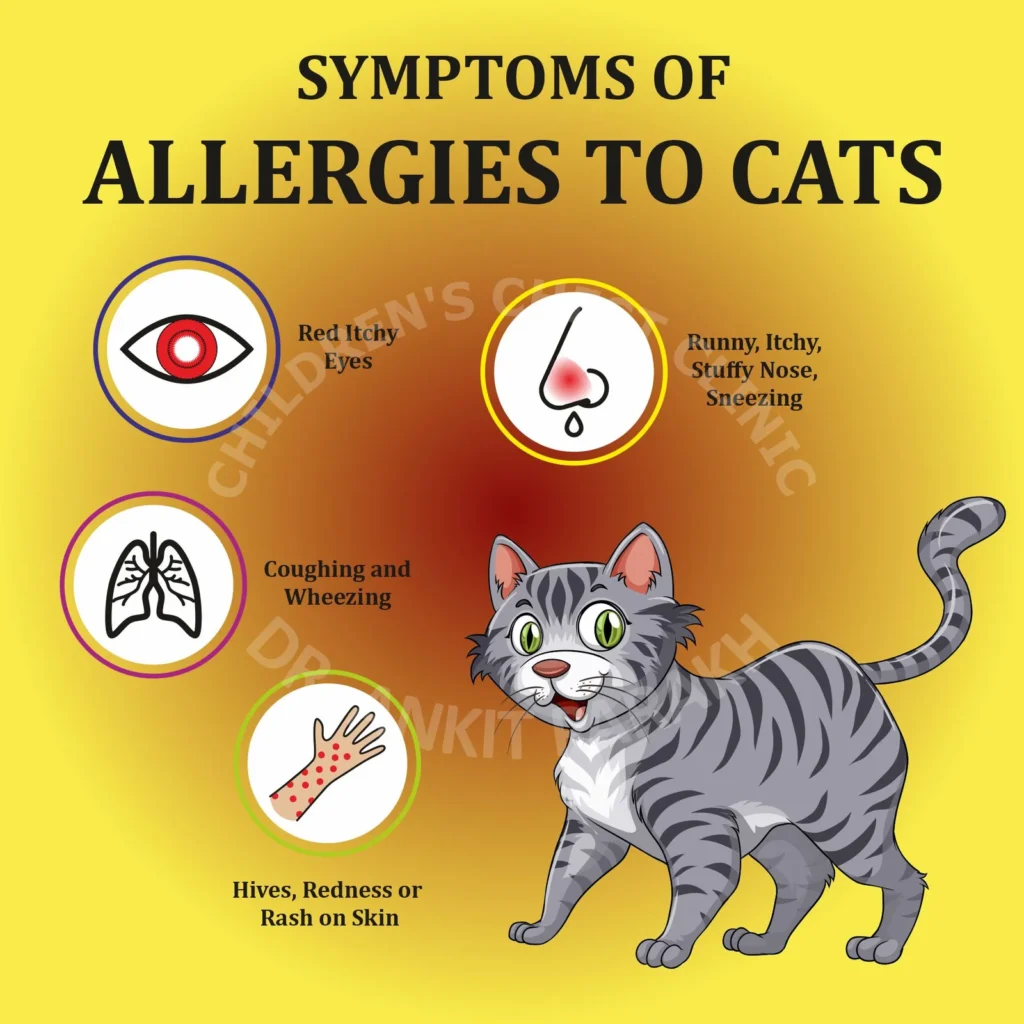
Cat allergies are a common concern for many individuals, leading to a range of symptoms that can significantly impact daily life. These allergies are triggered by exposure to proteins found in a cat’s skin cells, urine, and saliva. When a cat grooms itself, these proteins are transferred to its fur, which can then be spread around the home through shedding. Understanding the symptoms and management of cat allergies is crucial for those who wish to live harmoniously with their feline friends.
Common Allergy Symptoms in Humans
For those who are allergic to cats, the immune system mistakenly identifies these proteins as harmful invaders, leading to an allergic reaction. The symptoms can vary in severity and may include:
Respiratory Symptoms
1. **Sneezing and Runny Nose**: One of the most common symptoms, sneezing and a runny nose occur when the nasal passages become inflamed due to allergen exposure. This can often be mistaken for a cold.
2. **Coughing and Wheezing**: The allergens can irritate the airways, leading to coughing and wheezing. In individuals with asthma, exposure to cat allergens can trigger an asthma attack, which may manifest as difficulty breathing.
3. **Shortness of Breath**: In more severe cases, individuals may experience shortness of breath, especially if they have asthma. This requires immediate medical attention.
Skin Reactions
1. **Hives or Rashes**: Direct contact with a cat or its dander can lead to skin reactions such as hives or rashes. These appear as red, itchy welts on the skin.
2. **Eczema Flare-ups**: Individuals with existing skin conditions like eczema may experience flare-ups when exposed to cat allergens. This can result in patches of inflamed, itchy skin.
Eye Symptoms
1. **Itchy, Red Eyes**: Allergens can cause the eyes to become itchy, red, and watery. This is known as allergic conjunctivitis and can be particularly bothersome for allergy sufferers.
2. **Swollen Eyelids**: In some cases, the eyelids may become swollen and puffy, adding to the discomfort.
Identifying Cat Allergy Symptoms in Children
Children, like adults, can develop allergies to cats. However, they may express symptoms differently or may not be able to articulate their discomfort. Parents should look for:
1. **Frequent Sneezing and Nasal Congestion**: Children with cat allergies may frequently sneeze or have a stuffy nose, especially after playing with a cat.
2. **Red, Itchy Eyes**: Watery and itchy eyes are common in allergic children. Parents might notice their child rubbing their eyes often.
3. **Difficulty Breathing**: If a child has asthma, cat allergens can exacerbate symptoms, leading to wheezing or shortness of breath.
4. **Skin Issues**: Hives or eczema flare-ups can occur, particularly after direct contact with a cat.
Diagnosing Cat Allergies
If you suspect that you or your child has a cat allergy, it is important to seek a proper diagnosis from a healthcare professional. The diagnostic process may include:
Medical History and Physical Examination
The doctor will review your medical history and perform a physical examination to identify potential allergy symptoms and rule out other conditions.
Allergy Testing
1. **Skin Prick Test**: This test involves applying a small amount of cat allergen to the skin, usually on the forearm or back, and then pricking the skin to allow exposure. If a raised, red bump forms, it indicates an allergy.
2. **Blood Test**: A blood test, such as the RAST or ImmunoCAP test, can measure the immune system’s response to cat allergens by detecting specific antibodies.
Managing Cat Allergy Symptoms
While avoiding cats is the most effective way to prevent allergic reactions, this is not a feasible option for many cat lovers. Fortunately, several strategies can help manage symptoms:
Environmental Control
1. **Air Purifiers**: Using high-efficiency particulate air (HEPA) filters can help reduce airborne allergens in your home.
2. **Regular Cleaning**: Frequent cleaning of your home, including vacuuming with a HEPA-filter vacuum, can minimize allergens. Wash bedding and curtains regularly to remove dander.
3. **Restricting Cat Access**: Designate certain areas of your home, such as the bedroom, as cat-free zones to reduce allergen exposure.
Medication
1. **Antihistamines**: Over-the-counter antihistamines can help relieve sneezing, runny nose, and itching.
2. **Nasal Corticosteroids**: These prescription medications can reduce inflammation in the nasal passages, alleviating symptoms.
3. **Leukotriene Modifiers**: These prescription medications can help manage asthma symptoms by blocking the action of certain immune system chemicals.
Allergy Shots (Immunotherapy)
For those with severe allergies, allergy shots may be an option. This treatment involves regular injections of small amounts of the allergen, with the aim of desensitizing the immune system over time.
Living with Cats Despite Allergies
If you choose to live with a cat despite an allergy, consider the following tips:
1. **Grooming**: Regularly groom your cat to reduce shedding. Some people find that having someone else groom the cat or using grooming wipes can help.
2. **Bathing**: Bathing your cat once a week can reduce allergens, though this may not always be practical or recommended for all cats.
3. **Consulting a Veterinarian**: Speak with your veterinarian about dietary supplements or medications that may reduce the amount of allergen your cat produces.
The Role of Hypoallergenic Cats
Some people seek hypoallergenic cat breeds, believing they will produce fewer allergens. While no cat is completely hypoallergenic, certain breeds such as the Siberian, Balinese, and Bengal are often recommended for allergy sufferers due to their lower levels of allergenic proteins.
Conclusion
Cat allergies can be challenging, but understanding the symptoms and management strategies can help those affected lead comfortable lives. By implementing environmental controls, using medications, and considering immunotherapy, allergy sufferers can coexist with their feline companions. As always, consulting with healthcare professionals is essential in developing an effective plan tailored to individual needs. With the right approach, living with cat allergies can become a manageable aspect of life rather than a constant source of discomfort.