
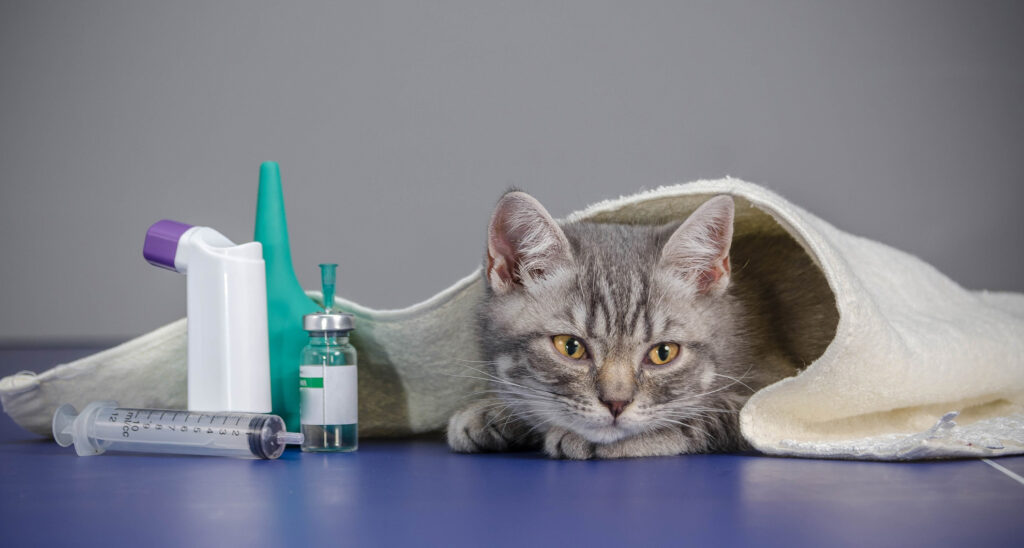
Cats are enigmatic and beloved companions, known for their independence and unique personalities. While they often take care of themselves, there are times when they may require urgent medical attention. As a responsible cat owner, it is crucial to recognize the signs that indicate your feline friend may be in distress or experiencing a medical emergency. This article will delve into the top cat emergency signs every owner must know, helping you ensure the well-being of your pet.
Understanding the Importance of Recognizing Emergency Signs
Recognizing emergency signs in cats is vital because they are adept at hiding pain and discomfort. Unlike dogs, who may be more vocal about their needs, cats tend to conceal their symptoms until they become severe. Early detection can make a significant difference in your cat’s recovery and overall health. By familiarizing yourself with these signs, you can act promptly and seek veterinary care when needed.
1. Difficulty Breathing
One of the most critical signs of a cat in distress is difficulty breathing. Cats may exhibit labored breathing, open-mouth breathing, or rapid shallow breaths. These symptoms can be indicative of respiratory issues, heart problems, or other serious conditions. If your cat is struggling to breathe, it is essential to seek immediate veterinary attention.
Causes of Breathing Difficulties
- Asthma: Cats can suffer from asthma, leading to wheezing and difficulty breathing.
- Heart Disease: Heart conditions can result in fluid accumulation in the lungs.
- Respiratory Infections: Upper respiratory infections can obstruct airways.
2. Sudden Changes in Behavior
Cats are creatures of habit, and sudden changes in behavior can be a red flag. If your cat becomes unusually aggressive, lethargic, or withdrawn, it may be experiencing pain or discomfort. Behavioral changes can be indicative of underlying health issues, such as infections, injuries, or neurological problems.
Common Behavioral Changes
- Increased Aggression: Pain or fear can cause a cat to act out.
- Lethargy: A lack of energy may signal illness or injury.
- Excessive Hiding: Cats may hide when they feel unwell or threatened.
3. Vomiting and Diarrhea
While occasional vomiting and diarrhea are not uncommon in cats, persistent or severe episodes can be alarming. These symptoms may indicate gastrointestinal issues, poisoning, or infections. Dehydration is a significant concern when a cat experiences prolonged vomiting or diarrhea, so prompt veterinary care is essential.
Potential Causes
- Ingestion of Foreign Objects: Cats may swallow non-food items that cause blockages.
- Food Intolerance: Certain foods can upset a cat’s stomach.
- Parasitic Infections: Worms or other parasites can cause digestive problems.
4. Unexplained Weight Loss
Sudden or unexplained weight loss in a cat can be a sign of an underlying health issue. Cats may lose weight due to dental problems, metabolic disorders, or more serious conditions like cancer. Monitoring your cat’s weight and seeking veterinary advice if you notice significant changes is crucial for early intervention.
Possible Causes of Weight Loss
- Dental Issues: Painful teeth can make eating difficult.
- Hyperthyroidism: Overactive thyroid glands can lead to weight loss.
- Kidney Disease: Chronic kidney problems can affect appetite and weight.
5. Difficulty Urinating
If your cat is straining to urinate, vocalizing in pain, or unable to pass urine, it may be experiencing a urinary tract issue. Blockages, infections, and bladder stones can all lead to urinary problems, which can become life-threatening if left untreated. Immediate veterinary attention is necessary in such cases.
Signs of Urinary Issues
- Frequent Attempts to Urinate: Cats may visit the litter box frequently with little output.
- Blood in Urine: Hematuria can indicate infections or stones.
- Vocalization During Urination: Painful urination can cause distress.
6. Seizures
Seizures in cats are not common but can be a sign of a serious neurological condition. They may manifest as uncontrollable shaking, twitching, or loss of consciousness. Seizures can result from epilepsy, head trauma, toxin exposure, or underlying diseases. If your cat experiences a seizure, seek immediate veterinary care to determine the cause and appropriate treatment.
Causes of Seizures
- Epilepsy: A chronic condition that leads to recurrent seizures.
- Toxins: Ingesting certain substances can trigger seizures.
- Head Injuries: Trauma can result in neurological symptoms.
7. Pale Gums
Healthy cats typically have pink gums, while pale or white gums can indicate anemia or poor circulation. Anemia may result from blood loss, nutritional deficiencies, or underlying diseases. Checking your cat’s gums can provide valuable information about its overall health and prompt you to seek veterinary assistance if necessary.
Reasons for Pale Gums
- Anemia: Reduced red blood cell count can cause pale gums.
- Shock: Circulatory shock can lead to reduced blood flow.
- Internal Bleeding: Blood loss may not always be visible externally.
8. Persistent Lameness
While minor injuries can cause temporary limping, persistent lameness may indicate a more serious problem. Injuries, arthritis, or infections can lead to chronic lameness, affecting your cat’s mobility and quality of life. A thorough veterinary examination can help identify the cause and recommend appropriate treatment.
Potential Causes of Lameness
- Injuries: Sprains, fractures, or cuts can cause limping.
- Arthritis: Joint inflammation can lead to chronic pain and stiffness.
- Infections: Bacterial or fungal infections can affect the limbs.
9. Swelling or Bumps
The appearance of unexplained swelling or lumps on your cat’s body should not be ignored. While some lumps may be benign, others can indicate tumors or infections. Regularly checking your cat for any unusual growths and consulting a veterinarian can help catch potential issues early and improve outcomes.
Types of Swelling
- Abscesses: Infections can lead to painful, pus-filled swellings.
- Tumors: Both benign and malignant tumors can cause lumps.
- Allergic Reactions: Swelling can result from allergic responses.
10. Excessive Drooling
While some cats may drool occasionally, excessive drooling can indicate oral health issues, nausea, or exposure to toxins. Dental problems, such as gingivitis or broken teeth, can cause discomfort and drooling. If your cat is drooling excessively, a veterinary examination is warranted to determine the underlying cause.
Reasons for Excessive Drooling
- Dental Disease: Oral infections or injuries can lead to drooling.
- Toxin Exposure: Ingesting toxins can cause nausea and drooling.
- Motion Sickness: Car rides or stress can trigger drooling.
Conclusion
As a cat owner, being vigilant and observant can make a significant difference in your pet’s health and well-being. Recognizing these top cat emergency signs and understanding their potential causes will enable you to take swift action when needed. Regular veterinary check-ups and open communication with your veterinarian are crucial for maintaining your cat’s health and ensuring a happy, healthy life for your feline companion.
#ChatGPT assisted in the creation of this article.