
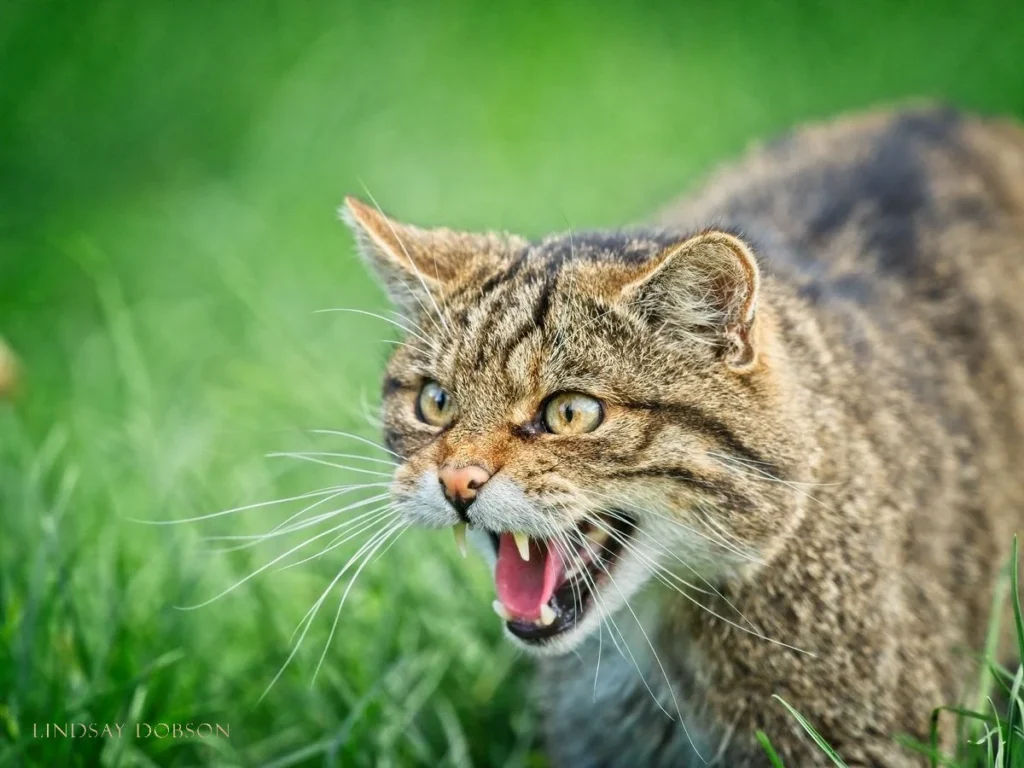
Cats, with their graceful movements and enigmatic personalities, are among the most beloved pets worldwide. Despite their generally affectionate and playful nature, some cats exhibit aggression, which can be perplexing and concerning for pet owners. Understanding the underlying causes of this aggression is crucial in addressing and managing it effectively. This article delves into the top causes of cat aggression, offering insights and solutions to help cat owners foster a harmonious relationship with their feline friends.
Understanding Cat Aggression
Aggression in cats can manifest in various ways, including hissing, growling, swatting, or biting. It is essential to recognize that aggression is often a symptom of an underlying issue rather than a personality trait. By identifying the root cause, cat owners can implement strategies to alleviate aggressive behavior.
Medical Causes of Aggression
One of the first steps in addressing cat aggression is to rule out any medical issues. Cats may become aggressive due to pain or discomfort caused by underlying health conditions. Common medical causes include:
1. Pain-Induced Aggression
Cats may become aggressive if they are experiencing pain from injuries, arthritis, dental issues, or other medical conditions. A cat in pain may lash out when touched or handled, especially in areas that are sore or sensitive.
2. Neurological Disorders
Neurological issues can also lead to aggression. Disorders such as epilepsy or brain tumors may result in changes in behavior, including increased aggression.
3. Hormonal Changes
Hormonal fluctuations, especially in unspayed or unneutered cats, can contribute to aggressive behavior. Intact male cats, for example, may become more territorial and aggressive during mating seasons.
Behavioral Causes of Aggression
In addition to medical causes, various behavioral factors can trigger aggression in cats. Understanding these triggers is vital for addressing the behavior effectively.
1. Territorial Aggression
Cats are naturally territorial animals. They may exhibit aggression towards other cats or even humans if they perceive an invasion of their space. This type of aggression is often seen in multi-cat households or when a new pet is introduced.
2. Fear-Induced Aggression
Fear is a common trigger for aggression in cats. A cat may become aggressive if it feels threatened or cornered. Fear-induced aggression often occurs during encounters with unfamiliar people, animals, or environments.
3. Redirected Aggression
Redirected aggression occurs when a cat is aroused or agitated by a stimulus it cannot reach, such as a bird outside a window, and then directs that aggression towards a nearby person or pet. This type of aggression can be sudden and intense.
4. Play Aggression
Kittens and young cats often exhibit play aggression, which involves biting and scratching during play. While this behavior is normal in young cats, it can become problematic if not managed appropriately.
5. Petting-Induced Aggression
Some cats may become overstimulated during petting, leading to sudden aggression. This type of aggression is often seen in cats that have a low tolerance for petting or handling.
Environmental Causes of Aggression
The environment in which a cat lives can significantly impact its behavior. Stressful or inadequate living conditions can contribute to aggression.
1. Lack of Socialization
Cats that are not adequately socialized during their early developmental stages may become aggressive as adults. Proper socialization helps cats feel more comfortable around people and other animals.
2. Stress and Anxiety
Stress and anxiety can trigger aggression in cats. Changes in routine, loud noises, or the presence of unfamiliar animals can all contribute to increased stress levels in cats.
3. Inadequate Resources
In multi-cat households, competition for resources such as food, water, litter boxes, and resting areas can lead to aggression. Ensuring that each cat has access to sufficient resources can help reduce tension.
Solutions and Management Strategies
Once the underlying cause of aggression is identified, cat owners can implement strategies to manage and reduce aggressive behavior.
1. Medical Intervention
If a medical condition is causing aggression, seeking veterinary care is crucial. Treating the underlying health issue can often resolve the aggression.
2. Behavior Modification
Behavioral interventions, such as positive reinforcement training, can help modify aggressive behavior. Rewarding calm and non-aggressive behavior encourages cats to repeat those actions.
3. Environmental Enrichment
Providing environmental enrichment, such as interactive toys, scratching posts, and climbing structures, can help reduce stress and prevent boredom-related aggression.
4. Safe Spaces
Creating safe spaces for cats to retreat to when they feel threatened can help reduce fear-induced aggression. These spaces should be quiet and free from disturbances.
5. Gradual Introductions
When introducing new pets or people, gradual introductions are essential. Allowing cats to become familiar with new stimuli at their own pace can help reduce territorial or fear-driven aggression.
6. Professional Help
In cases of severe aggression, seeking the help of a professional animal behaviorist may be necessary. They can provide personalized guidance and create a tailored behavior modification plan.
Conclusion
Cat aggression can be challenging for pet owners, but understanding the underlying causes is key to managing the behavior effectively. By identifying whether the aggression stems from medical, behavioral, or environmental factors, cat owners can implement appropriate strategies to reduce aggression and improve the quality of life for both the cat and its human companions. With patience, understanding, and proper intervention, a peaceful coexistence with even the most aggressive feline can be achieved.


