
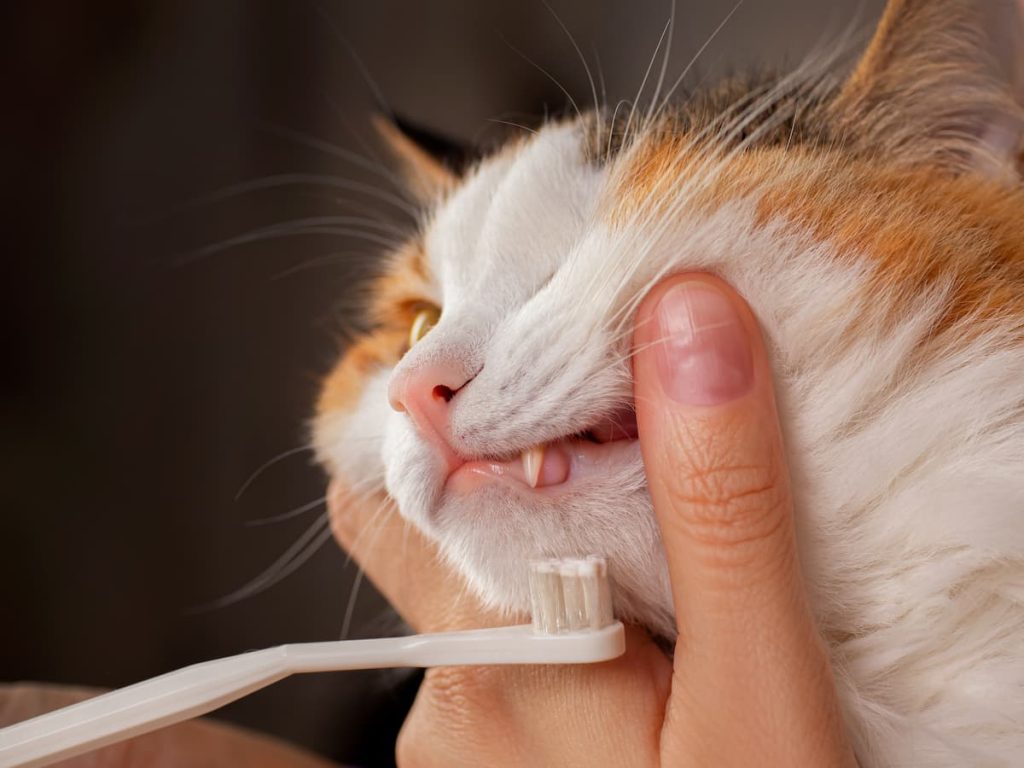
Just like humans, cats need regular dental care to ensure their teeth and gums stay healthy. Proper dental hygiene not only helps prevent bad breath, it also reduces the risk of more serious health issues like periodontal disease, which can lead to pain and tooth loss. In this ultimate guide to cat dental care, we’ll explore the importance of feline oral health, offer tips for maintaining your cat’s teeth, and discuss signs that indicate potential dental problems.
Understanding the Importance of Cat Dental Care
Cats are prone to various dental issues, including tartar buildup, gingivitis, and periodontal disease. Dental problems can be painful and may even affect a cat’s overall health. Bacteria from the mouth can enter the bloodstream and impact vital organs, leading to conditions such as heart disease and kidney problems. Therefore, taking proactive steps in dental care is essential for your cat’s well-being.
Common Dental Issues in Cats
Understanding the common dental issues that cats face is the first step in ensuring their oral health. Here are some of the most prevalent problems:
- Tartar and Plaque Buildup: Over time, plaque, a sticky film of bacteria, can harden into tartar. This can irritate the gums and lead to gingivitis.
- Gingivitis: This is the inflammation of the gums, often caused by plaque buildup. Signs include redness and swelling of the gums.
- Periodontal Disease: If gingivitis is left untreated, it can progress to periodontal disease, damaging the structures supporting the teeth and potentially leading to tooth loss.
- Tooth Resorption: A condition where the tooth structure breaks down, leading to painful lesions. It’s a common issue in cats and often requires extraction.
Signs of Dental Problems in Cats
Recognizing the signs of dental problems early can help prevent more serious issues. Watch for the following symptoms:
- Bad breath
- Difficulty eating or chewing
- Drooling more than usual
- Red, swollen, or bleeding gums
- Loose or missing teeth
- Pawing at the mouth
If you notice any of these signs, it’s important to consult your veterinarian for a dental check-up.
Tips for Maintaining Your Cat’s Dental Health
Proactive care can help maintain your cat’s dental health. Here are some effective strategies:
Regular Brushing
Brushing your cat’s teeth is one of the most effective ways to prevent plaque buildup. Use a toothbrush and toothpaste specifically designed for cats. Start slowly to get your cat used to the process, and aim to brush their teeth daily or at least several times a week.
Dental Treats and Chews
Dental treats and chews are designed to help reduce plaque and tartar as your cat chews on them. They can be a good supplement to regular brushing and provide a dental benefit while also being a treat.
Dental Diets
Some cat foods are specially formulated to promote dental health. These diets often have a texture that helps clean the teeth as your cat eats. Consult your veterinarian to see if a dental diet is appropriate for your cat.
Water Additives
There are dental water additives available that can help reduce plaque and freshen your cat’s breath. These are easy to use as you simply add them to your cat’s water bowl.
Professional Veterinary Dental Care
In addition to at-home care, professional dental cleanings are important for maintaining your cat’s oral health. These cleanings require anesthesia and are performed by a veterinarian. They allow for thorough cleaning of the teeth and below the gum line, where plaque and tartar can cause the most damage.
Your veterinarian can also perform a full oral examination to check for dental disease and other issues that might not be visible during a routine check-up.
Preventing Dental Problems in Cats
Prevention is key when it comes to dental health. Here are some additional tips to help prevent dental issues in your cat:
- Start Early: Begin dental care at a young age to get your cat accustomed to having its mouth handled.
- Regular Check-Ups: Regular veterinary check-ups can help catch dental issues early.
- Monitor Diet: Ensure your cat is on a balanced diet that supports overall health, including dental health.
- Provide Safe Chew Toys: Offer toys that are safe for your cat to chew on, which can help keep their teeth clean.
Conclusion
Cat dental care is an essential aspect of feline health that should not be overlooked. By being proactive and incorporating regular dental care into your cat’s routine, you can help ensure they have healthy teeth and gums, reducing the risk of dental disease and improving their overall quality of life. Remember to consult with your veterinarian for personalized advice and to schedule regular dental check-ups. With the right care and attention, your cat can enjoy a happy, healthy life with a bright smile to match.