Cats, much like humans, require a balanced diet to maintain optimal health. While a well-formulated cat food can meet most nutritional needs, there are situations where additional vitamins might be necessary. Whether your cat is dealing with a specific health issue, is aging, or follows a homemade diet, understanding how to choose the right vitamins can significantly impact their well-being. This guide aims to help you navigate the complex world of cat vitamins, ensuring your feline friend receives the nutritional support they need.
Understanding Cat Nutritional Needs
Before diving into specific vitamins, it is crucial to understand the general nutritional requirements of cats. Cats are obligate carnivores, meaning their diet should primarily consist of meat. They require high levels of protein, moderate fat, and minimal carbohydrates. Essential nutrients for cats include amino acids like taurine and arginine, fatty acids such as arachidonic acid, and vitamins and minerals like vitamin A, D, E, B-complex, calcium, and phosphorus.
Why Supplementation Might Be Necessary
While high-quality commercial cat foods are formulated to be complete and balanced, there are several scenarios where supplementation might be beneficial:
- Specific Health Issues: Cats with certain health conditions like kidney disease, arthritis, or digestive problems may benefit from specific vitamins or minerals.
- Aging Cats: Older cats might require additional nutrients to support joint health, cognitive function, and overall vitality.
- Homemade Diets: If you’re feeding your cat a homemade diet, supplementation is often necessary to ensure all essential nutrients are provided.
- Poor Diet Quality: Cats consuming lower-quality commercial foods might need additional vitamins to fill nutritional gaps.
Key Vitamins for Cats
Understanding which vitamins are essential for cats can help you make informed decisions about supplementation. Here are some key vitamins and their roles in feline health:
Vitamin A
Vitamin A is crucial for maintaining healthy vision, skin, and immune function in cats. Unlike humans, cats cannot convert beta-carotene into vitamin A, so they must obtain it directly from animal sources.
Vitamin D
Known as the “sunshine vitamin,” vitamin D is vital for calcium absorption and bone health. Cats need it to maintain strong bones and teeth. Unlike some animals, cats cannot synthesize vitamin D through sun exposure and must get it from their diet.
Vitamin E
This vitamin acts as an antioxidant, protecting cells from damage. It’s essential for maintaining a healthy immune system and preventing oxidative stress.
Vitamin B Complex
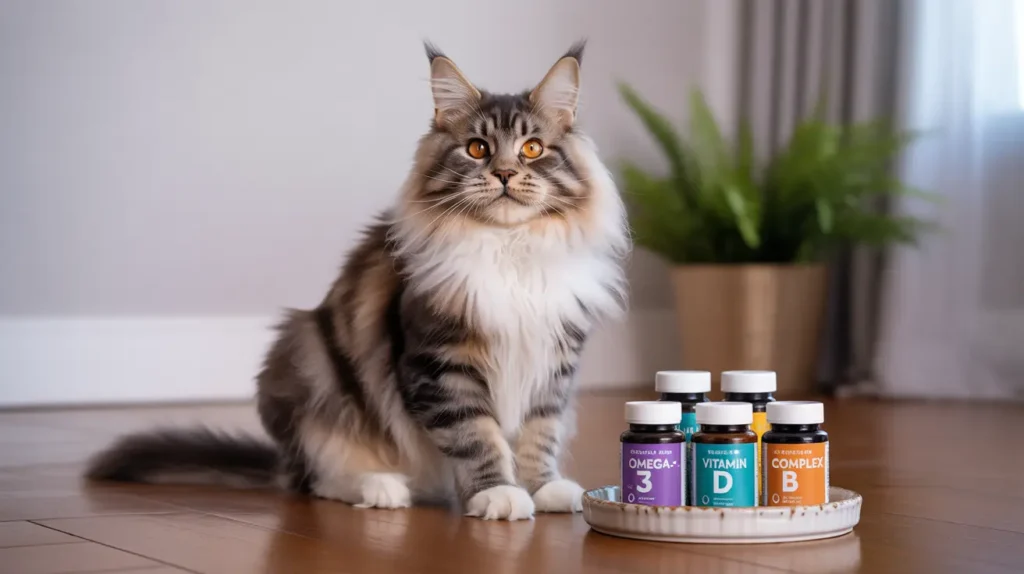
The B-complex vitamins, including B1 (thiamine), B2 (riboflavin), B3 (niacin), B6 (pyridoxine), B9 (folic acid), and B12 (cobalamin), play a critical role in energy metabolism and overall health. Each B vitamin has unique benefits, such as supporting the nervous system, red blood cell formation, and digestive health.
Vitamin C
Although cats can synthesize vitamin C in their bodies, supplementation can be beneficial in cases of illness or stress, acting as an antioxidant and supporting immune function.
Choosing the Right Cat Vitamins
Selecting the right vitamins for your cat involves careful consideration of their specific needs, lifestyle, and health status. Here are some factors to consider:
Consult with a Veterinarian
Before introducing any supplements into your cat’s diet, consult with a veterinarian. They can assess your cat’s health and nutritional status, recommend specific vitamins, and advise on appropriate dosages.
Quality and Purity
Choose supplements from reputable brands that undergo third-party testing for quality and purity. Look for products that are specifically formulated for cats, as human vitamins might contain ingredients harmful to felines.
Form and Administration
Cat vitamins come in various forms, including tablets, capsules, powders, and liquids. Consider your cat’s preferences and ease of administration when choosing a form. Some cats may prefer flavored chews, while others might tolerate liquid supplements mixed into their food.
Specific Health Needs
Tailor the choice of vitamins to your cat’s specific health needs. For example, cats with joint issues might benefit from glucosamine and chondroitin supplements, while those with digestive problems could require probiotics or digestive enzymes.
Potential Risks and Considerations
While vitamins can offer significant benefits, it’s essential to be aware of potential risks and considerations:
Over-Supplementation
Giving your cat excessive amounts of certain vitamins can lead to toxicity. Fat-soluble vitamins like A and D are particularly concerning, as they can accumulate in the body and cause harm.
Interactions with Medications
Some supplements may interact with medications your cat is taking. Always inform your veterinarian about any supplements your cat is receiving to avoid potential interactions.
Allergic Reactions
Monitor your cat for any signs of allergic reactions, such as itching, swelling, or gastrointestinal upset, when introducing new supplements.
Conclusion
Choosing the right vitamins for your cat involves understanding their specific nutritional needs, considering their health status, and consulting with a veterinarian. While supplements can play a valuable role in supporting your cat’s health, they should be used judiciously and as part of a comprehensive approach to feline wellness. By selecting high-quality, appropriate vitamins and monitoring your cat’s response, you can help ensure they lead a healthy, happy life.
Additional Resources
For more information on feline nutrition and supplementation, consider exploring resources from reputable veterinary organizations, such as the American Veterinary Medical Association (AVMA) and the Feline Nutrition Foundation. These organizations offer valuable insights into maintaining optimal feline health through proper nutrition and care.