
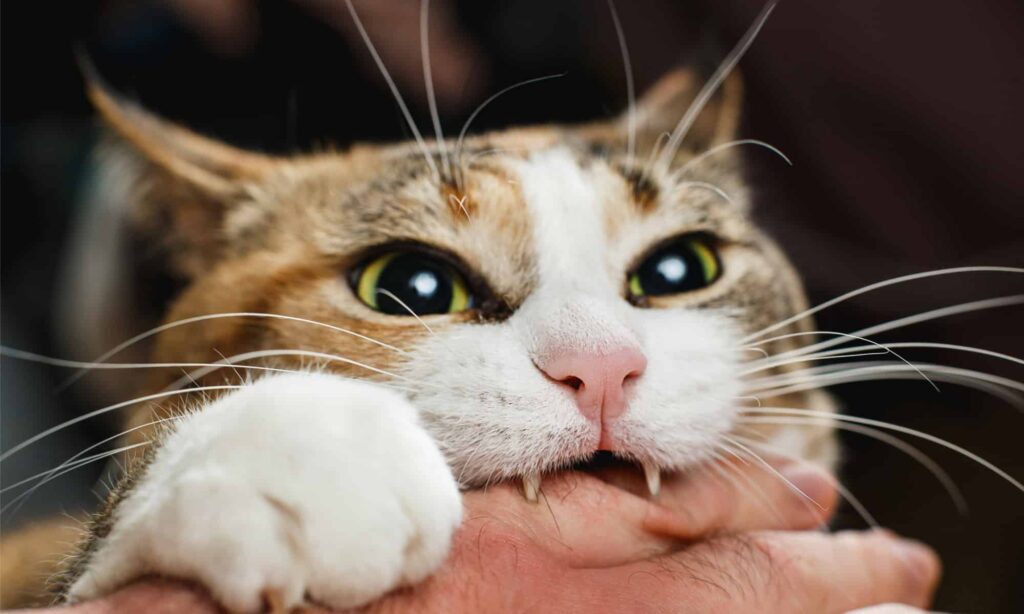
Cats are fascinating creatures with complex social structures that often remain a mystery to their human companions. When living in groups, cats establish a hierarchy, which can greatly influence their interactions with each other and with humans. Understanding cat dominance and the dynamics of feline hierarchy can help pet owners create a harmonious environment for their pets while fostering better relationships with them.
The Nature of Cat Societies
Cats are naturally solitary hunters, but they are also adaptable creatures capable of forming social groups, especially when resources are abundant. These groups can be seen in feral colonies or multi-cat households. Unlike dogs, which have a clear pack leader, cat hierarchies are more fluid and less defined. This is partly due to their evolutionary history as independent hunters and the necessity for each cat to be self-reliant.
In a group setting, cats do establish a form of social order, but this hierarchy is not always linear or obvious. Dominance in cats can vary depending on the situation, the available resources, and the individual personalities of the cats involved. Understanding these subtle dynamics is key to managing a multi-cat household effectively.
Signs of Dominance in Cats
Identifying which cat is dominant in a group can be challenging, as dominance is not always exhibited through aggressive behavior. Instead, it is often expressed through more nuanced behaviors, such as:
– **Resource Control**: The dominant cat often has first access to resources such as food, water, and prime sleeping areas. They may also control access to high vantage points or specific territories within the home.
– **Body Language**: Dominant cats often display confident body language, such as maintaining an upright posture, direct eye contact, and a relaxed demeanor. They may also use subtle cues like grooming other cats or initiating play as a way to assert their status.
– **Vocalizations**: While not the primary method of establishing dominance, vocalizations can be used to assert authority. Dominant cats may hiss, growl, or yowl to communicate their position.
– **Physical Interactions**: Dominance can also be asserted through physical interactions, such as blocking another cat’s path, mounting, or engaging in play that is more aggressive.
The Role of Individual Personalities
In understanding feline hierarchy, it is essential to consider the individual personalities of the cats involved. Some cats are naturally more assertive or confident, making them more likely to assume a dominant role. Others may be more submissive or shy, preferring to avoid conflict and defer to more dominant cats.
Additionally, factors such as age, sex, and health can influence a cat’s position in the hierarchy. Older cats or those with health issues may be less likely to assert dominance, while younger, healthier cats might be more inclined to challenge the established order.
Influences on Feline Hierarchy
Several factors can influence the establishment and maintenance of a feline hierarchy in a multi-cat environment:
– **Resource Availability**: The abundance or scarcity of resources plays a significant role in the establishment of dominance. In environments where resources are plentiful, hierarchies may be more relaxed. Conversely, limited resources can lead to increased competition and more apparent dominance behaviors.
– **Territoriality**: Cats are territorial animals, and their need to establish and defend their territory can influence dominance dynamics. In multi-cat households, it is common for cats to establish territories within the home, with dominant cats often claiming prime locations.
– **Socialization and Early Experiences**: A cat’s early life experiences can impact its social behavior and position within a hierarchy. Cats that have been well-socialized with other cats from a young age may be better equipped to navigate social structures and establish their place within the group.
– **Human Influence**: The presence and behavior of humans can also impact feline hierarchies. Cats may look to humans for resources and security, which can affect their interactions with each other. Moreover, human intervention in conflicts or resource distribution can alter the natural hierarchy.
Managing Dominance in Multi-Cat Households
Understanding and managing dominance in a multi-cat household requires careful observation and a proactive approach. Here are some strategies to help maintain harmony among feline companions:
– **Provide Ample Resources**: Ensuring that each cat has access to sufficient resources can reduce competition and tension. This includes providing multiple feeding stations, water sources, litter boxes, and sleeping areas.
– **Create Vertical Space**: Cats naturally seek out high vantage points, which can be a point of contention in a multi-cat environment. Providing ample vertical space, such as cat trees or shelves, allows each cat to claim a perch, reducing conflicts over territory.
– **Observe and Intervene Thoughtfully**: Pay attention to the interactions between cats and intervene when necessary to prevent aggressive confrontations. However, it is crucial to allow cats to work out their social dynamics without excessive human interference, as this can disrupt the natural hierarchy.
– **Promote Positive Interactions**: Encourage positive interactions among cats through play, feeding, and grooming. Engaging in group play sessions or providing interactive toys can help strengthen bonds and reduce tension.
– **Respect Individual Needs**: Recognize and respect the individual needs and personalities of each cat. Some cats may require more space or alone time, while others may thrive on social interaction. Accommodating these needs can help maintain a balanced environment.
Conclusion
Understanding cat dominance and the dynamics of feline hierarchy is essential for creating a peaceful and harmonious multi-cat household. By recognizing the subtle signs of dominance, considering individual personalities, and providing ample resources, cat owners can help their feline companions coexist peacefully. While cat hierarchies can be complex and fluid, a thoughtful and informed approach can foster a positive environment that meets the needs of all cats involved. By observing, understanding, and respecting these dynamics, humans can enhance their relationships with their cats and ensure a happy and balanced home for all.


