In recent years, pet nutrition has become a hot topic among cat owners and veterinarians alike. An increasing number of pet owners are turning to raw cat food diets to promote optimal health for their feline companions. The idea behind this dietary shift is rooted in the belief that feeding cats a diet that closely resembles what they would eat in the wild can lead to improved health, vitality, and longevity. As obligate carnivores, cats require a diet rich in animal protein, and raw cat food diets aim to provide just that. This article delves into the benefits, considerations, and best practices for implementing a raw cat food diet to unlock optimal health for your feline friend.
Understanding the Raw Cat Food Diet
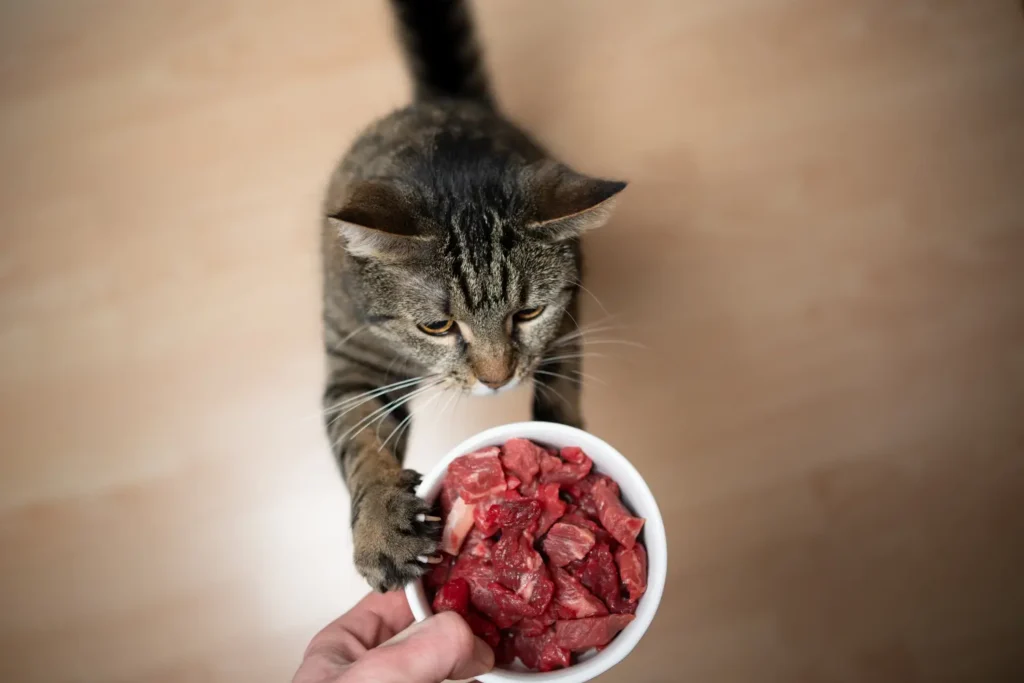
A raw cat food diet, often referred to as a “BARF” diet (Biologically Appropriate Raw Food or Bones and Raw Food), typically consists of raw meat, organs, and bones. Some diets also include small amounts of vegetables and supplements to ensure nutritional completeness. The premise is to mimic the natural prey of a cat, such as mice, birds, and other small animals, which they would hunt and consume in the wild.
The Benefits of a Raw Cat Food Diet
1. **Enhanced Nutritional Profile**: Raw diets are rich in high-quality protein and essential amino acids, which are crucial for maintaining lean muscle mass and supporting various bodily functions. Raw foods also retain more natural vitamins and minerals that can be lost during the cooking process in commercial cat foods.
2. **Improved Digestion**: Many cat owners report improvements in their pet’s digestion when switching to a raw diet. The absence of fillers and artificial additives found in some commercial foods can lead to fewer digestive issues and firmer, less odorous stools.
3. **Healthier Skin and Coat**: The high protein content and essential fatty acids present in raw diets contribute to a shiny, healthy coat and improved skin condition. Omega-3 and omega-6 fatty acids, in particular, play a vital role in maintaining the integrity of a cat’s skin and fur.
4. **Increased Energy Levels**: Cats on a raw diet often exhibit higher energy levels and increased activity. This can be attributed to the diet’s emphasis on high-quality protein and fat sources, which provide sustained energy.
5. **Weight Management**: Obesity is a common issue in domestic cats, leading to various health problems. Raw diets can aid in weight management by promoting satiety with nutrient-dense ingredients and reducing the risk of overfeeding.
Considerations Before Transitioning to a Raw Cat Food Diet
While the benefits of a raw cat food diet are compelling, there are several important factors to consider before making the switch.
Ensuring Nutritional Balance
One of the primary concerns with raw diets is ensuring that they are nutritionally complete and balanced. Unlike commercial cat foods that are formulated to meet specific nutritional standards, homemade raw diets can sometimes lack essential nutrients if not carefully planned. It is crucial to include a variety of meat sources, organs, and supplements to provide all the necessary nutrients, including taurine, calcium, and vitamin E.
Handling and Food Safety
Raw food poses a higher risk of bacterial contamination, which can be harmful to both cats and their owners. Practicing proper food handling and hygiene is essential to minimize this risk. This includes washing hands and surfaces thoroughly, storing raw food at appropriate temperatures, and sourcing meat from reputable suppliers.
Gradual Transition
Cats are creatures of habit, and sudden dietary changes can lead to digestive upset. A gradual transition from a commercial diet to a raw diet is recommended to allow your cat’s digestive system to adjust. This typically involves mixing small amounts of raw food with their current diet and gradually increasing the proportion of raw food over several weeks.
Implementing a Raw Cat Food Diet
If you’ve decided that a raw diet is the right choice for your cat, it’s important to approach the transition with careful planning and attention to detail.
Consulting with a Veterinarian
Before making any significant changes to your cat’s diet, consult with a veterinarian, ideally one with experience in feline nutrition or raw feeding. They can provide valuable insights and help tailor a diet plan to meet your cat’s individual needs, ensuring that all nutritional requirements are met.
Choosing Quality Ingredients
The foundation of a raw cat food diet is high-quality ingredients. Select a variety of fresh meats, such as chicken, turkey, and rabbit, and include organ meats like liver and kidney for essential nutrients. Ensure that bones are appropriate in size and type to avoid choking hazards and digestive blockages.
Incorporating Supplements
To ensure a balanced diet, certain supplements may be necessary. Taurine is an essential amino acid for cats, often added to commercial cat foods but may require supplementation in homemade diets. Additionally, calcium supplements or ground eggshells can help meet your cat’s calcium needs. Consult with your veterinarian to determine which supplements are necessary for your cat’s diet.
Monitoring Your Cat’s Health
Once you’ve transitioned your cat to a raw diet, monitor their health and behavior closely. Look for signs of improved energy, digestion, and coat condition. Regular veterinary check-ups are essential to ensure that your cat remains healthy and that their dietary needs are being met.
Conclusion: Unlocking Optimal Health with a Raw Cat Food Diet
A raw cat food diet can offer numerous benefits, from enhanced nutrition to improved overall health and vitality. However, it’s essential to approach this dietary choice with careful planning and consideration. By ensuring nutritional balance, practicing safe food handling, and consulting with a veterinarian, you can unlock optimal health for your feline companion. Embracing a raw diet can lead to a happier, healthier life for your cat, allowing them to thrive as nature intended. As with any dietary change, it’s important to tailor the diet to your cat’s individual needs, ensuring that they receive the best possible nutrition for their unique lifestyle.