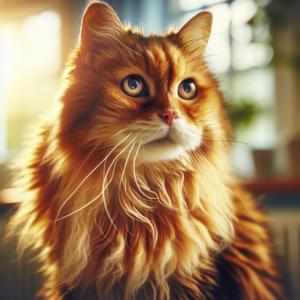

Cats are fascinating creatures, each possessing a unique personality that can range from aloof and independent to affectionate and playful. Understanding a cat’s personality is crucial for fostering a positive relationship between pet and owner. This guide aims to unlock the mysteries of cat personalities by exploring various types, what influences them, and how to best cater to each type.
The Science Behind Cat Personalities
Cat personalities are shaped by a combination of genetics, environment, and life experiences. Just like humans, cats have a range of temperaments and behavioral traits that define their personalities. Researchers have identified several factors that influence these traits, including breed, socialization, and even the cat’s early life experiences.
Common Cat Personality Types
While each cat is unique, there are several broad personality types that many cats seem to fit into. Understanding these types can help owners better meet their pets’ needs.
The Social Butterfly
Social butterflies are outgoing, friendly, and enjoy being the center of attention. They are often the first to greet visitors and thrive in environments where they receive plenty of interaction. Breeds like the Siamese and Abyssinian are known for their sociable nature.
The Independent Adventurer
Independent adventurers are curious and self-reliant. They enjoy exploring their environment and often prefer spending time on their own. Breeds such as the Norwegian Forest Cat and the Russian Blue often exhibit these traits.
The Affectionate Cuddler
Affectionate cuddlers crave close contact with their humans and often seek out laps to snuggle in. They are gentle and loving, making them perfect companions for those who want a close bond with their cat. Ragdolls and Scottish Folds are often found in this category.
The Playful Hunter
Playful hunters have high energy levels and strong predatory instincts. They love interactive play and are often seen chasing toys or pouncing on imaginary prey. Bengal cats and Ocicats are examples of breeds that typically embody this personality.
Factors Influencing Cat Personalities
While breed can play a significant role in a cat’s personality, other factors are equally important.
Genetics
Genetics can heavily influence a cat’s temperament. Certain breeds are predisposed to particular personality traits due to their genetic makeup. However, it’s important to remember that within any breed, individual variations exist.
Socialization
The socialization process is crucial in shaping a cat’s personality. Cats that are exposed to a variety of people, animals, and environments during their formative weeks tend to be more adaptable and confident.
Early Life Experiences
A cat’s early life experiences, including interactions with its mother and littermates, can have a lasting impact on its behavior and personality. Kittens that have positive early interactions are more likely to develop into well-adjusted adults.
Matching Cat Personalities with Owner Lifestyles
Choosing a cat with a personality that aligns with your lifestyle is essential for a harmonious relationship.
For Busy Individuals
Those with hectic schedules may find that an independent adventurer suits their lifestyle best. These cats require less attention and are comfortable entertaining themselves.
For Families with Children
Families with young children might consider adopting a social butterfly or a playful hunter. These personality types often enjoy interaction and can keep up with the energy levels of children.
For the Elderly or Less Active Individuals
Affectionate cuddlers are ideal for individuals seeking companionship and relaxation. These cats are content to spend quiet time with their human companions.
How to Nurture and Support Different Cat Personalities
Understanding your cat’s personality type allows you to cater to their specific needs, ensuring they lead a fulfilling life.
Providing Enrichment
Enrichment is crucial for all cats, but especially for playful hunters and independent adventurers. Toys, climbing structures, and interactive play can help satisfy their need for stimulation.
Creating a Safe Environment
Creating a safe and comfortable environment is essential for all cat personalities. This includes having cozy spots for affectionate cuddlers and secure areas for independent adventurers to retreat to.
Encouraging Social Interaction
Social butterflies thrive on interaction, so providing ample opportunities for socializing is vital. This can include playdates with other pets or engaging in regular play sessions with family members.
Recognizing and Respecting Individuality
While understanding general personality types is helpful, it’s crucial to recognize and respect each cat’s individuality. Observing your cat’s unique behaviors and preferences will provide insights into their personal needs and desires.
Conclusion
Unlocking the mysteries of cat personalities enhances the bond between cats and their owners. By understanding the different personality types and the factors that shape them, owners can create a nurturing environment that caters to their cat’s unique needs. Whether your feline friend is a social butterfly, an independent adventurer, an affectionate cuddler, or a playful hunter, respecting and embracing their individuality is key to a happy and fulfilling relationship.
Further Resources
For those interested in delving deeper into the world of cat personalities, consider exploring books, attending feline behavior workshops, or consulting with a cat behaviorist to gain more personalized insights.